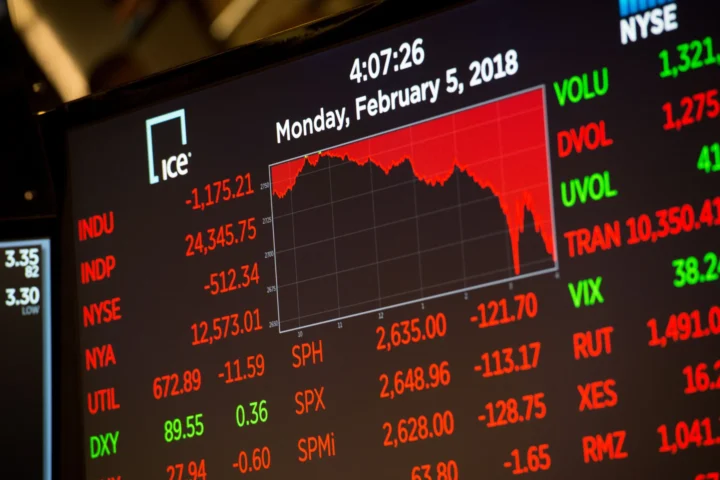
Nvidia shares fell 4% yesterday as investors weighed the company’s AI investment strategy against short-term profitability.
The market is closely monitoring whether Nvidia’s ambitious AI plans will translate into tangible results or remain largely speculative.
Google Emerges as a “Ghost” Competitor
A key factor behind investor nervousness is Google’s push into AI chip production, which threatens Nvidia’s longstanding dominance in the market.
Google’s Tensor Processing Units (TPUs), initially developed for internal AI services like Gemini, are now being offered to external customers, including hyperscale AI developers.
This development signals that Google is serious about competing with Nvidia in the broader AI infrastructure market.
TPUs are increasingly energy-efficient and cost-effective, narrowing performance gaps with Nvidia GPUs in certain workloads.
Initiatives such as TorchTPU are enhancing TPU compatibility with PyTorch, reducing switching costs for developers and increasing competition.
Reports of potential multi-billion-dollar partnerships between Google and Meta have further amplified investor concern, suggesting some AI clients may diversify away from Nvidia.
Even without immediate market share loss, the possibility of Google challenging Nvidia’s leadership has contributed to stock volatility.
Investor Concerns Over AI Project Funding
Another major worry is how Nvidia finances its AI projects, which are crucial to its long-term growth strategy.
Large-scale AI investments require significant upfront costs, from specialized GPUs to infrastructure, software, and cloud systems.
Investors are questioning whether these initiatives will generate profits quickly or remain speculative.
High borrowing costs and uncertain economic conditions add to concerns, as does the rapid pace of innovation in AI, which could render today’s cutting-edge tech obsolete tomorrow.
Projections indicate that by 2028, the electricity required to run massive AI workloads could exceed peak grid capacity, creating a new bottleneck beyond hardware supply.
Any deployment delays, software-hardware alignment issues, or slow adoption could hurt profitability, keeping investors cautious despite long-term potential.
Nvidia Reduces Gaming GPU Production
Nvidia also announced a 30–40% reduction in gaming GPU production due to weakening consumer demand.
Historically, gaming has been a major revenue source, but slower PC graphics card sales, market saturation, and high prior prices have reduced interest.
The production cut aims to align supply with current demand, reduce inventory buildup, and lower operational costs.
This strategy allows Nvidia to focus more on AI and data center GPUs, which are growing faster and offer higher margins.
Although short-term consumer revenue may decline, Nvidia positions itself for sustainable long-term growth in AI and cloud computing markets.