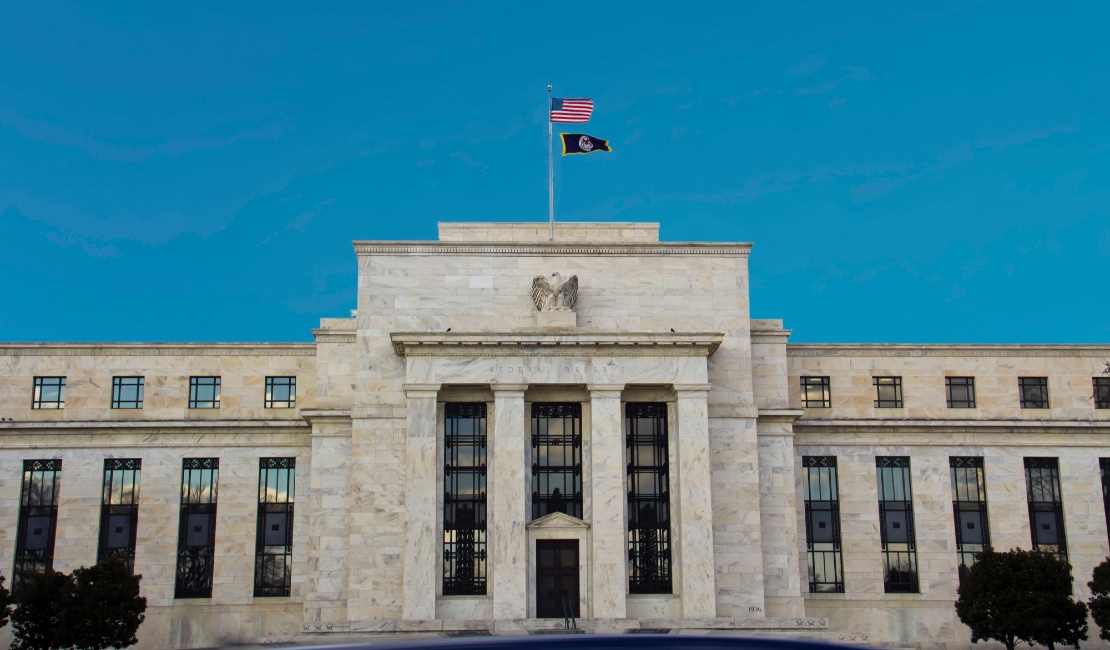
The Federal Reserve opted to cut interest rates in December 2025, but more cuts aren’t guaranteed in 2026.
Federal Reserve Bank of Philadelphia President Anna Paulson said on Saturday that further central bank rate cuts may not come immediately.
She noted officials are taking time to assess the economy following last year’s series of rate reductions.
“I see inflation moderating, the labor market stabilizing and growth coming in around 2 percent this year,” Paulson said in prepared remarks for the 2026 Allied Social Science Associations Annual Meeting in Philadelphia.
“If all of that happens, then some modest further adjustments to the funds rate would likely be appropriate later in the year,” she added.
Paulson described the current funds rate as “still a little restrictive,” pointing out it continues to curb inflationary pressures.
This year, she will have a vote on the Federal Open Market Committee, which sets interest rates.
Last year, the FOMC lowered its rate target by three separate 25 basis point moves, leaving it between 3.5% and 3.75% in December.
Officials faced a delicate balance while cutting rates, trying to maintain enough policy pressure to lower inflation while supporting a weakening labor market.
The FOMC also contended with pressure from former President Donald Trump for more aggressive cuts, while several officials preferred a more cautious approach with inflation still above 2%.
At the December meeting, Chair Jerome Powell provided limited guidance on the pace of future cuts, although forecasts suggest further easing could occur this year.
Paulson expressed “cautious optimism on inflation” and a desire for clarity on what is driving growth and employment changes.
“I see a decent chance that we will end the year with inflation that is close to 2% on a run-rate basis,” she said, citing the effects of tariff-related price adjustments.
On the labor market, Paulson said, “While the labor market is clearly bending, it is not breaking.”
She noted that deceleration in hiring is influenced by both supply and demand factors and emphasized the importance of monitoring employment trends closely as the year progresses.