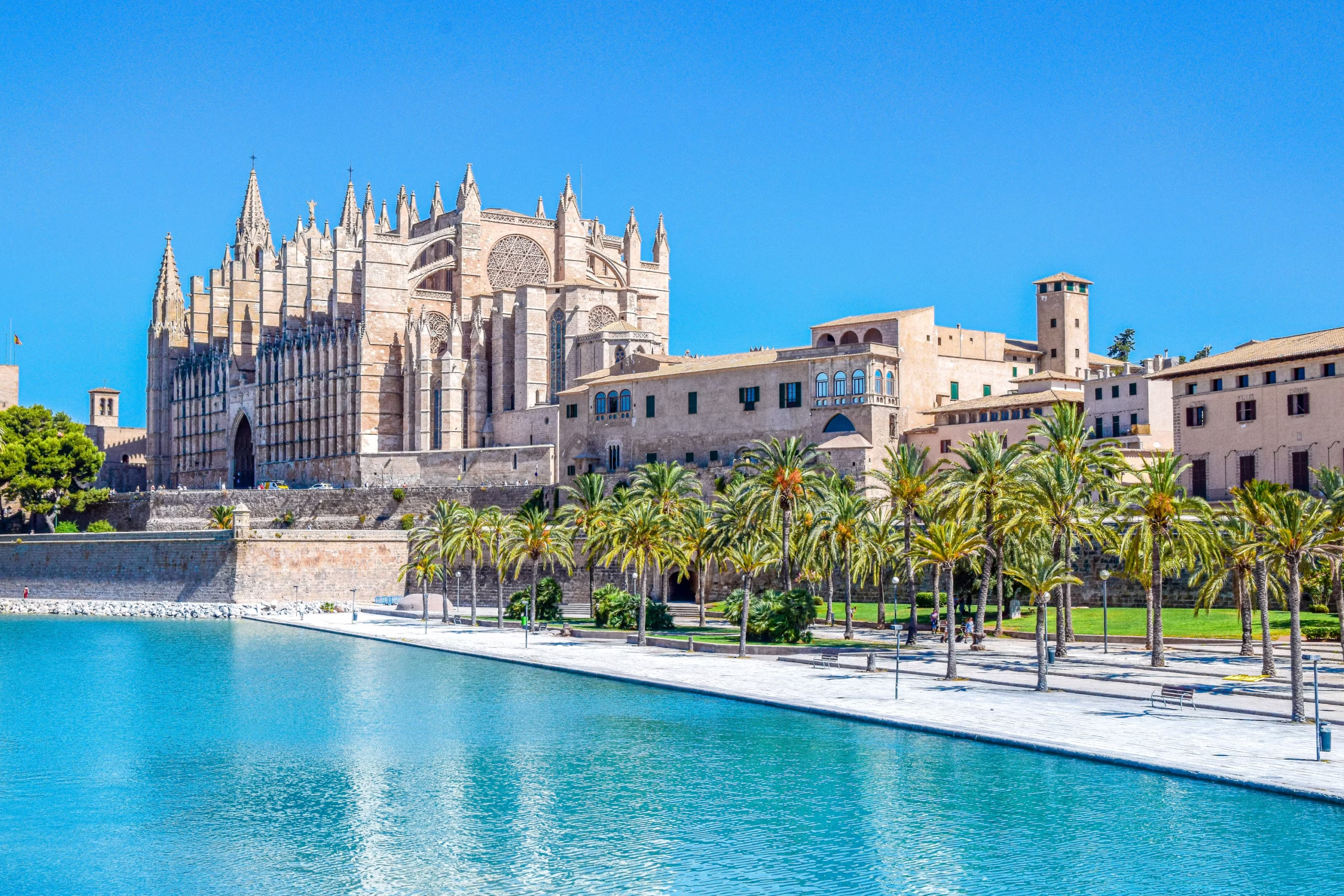
Majorca has long been one of Europe’s most reliable summer tourism destinations, but winter tourism concerns are mounting.
As winter approaches, the island’s tourism industry is once again facing familiar concerns around seasonality, reduced visitor numbers, and economic sustainability. While summer remains highly profitable, the winter months continue to test the resilience of hotels, restaurants, airlines, and local businesses that rely heavily on tourist spending.
The issue is not new, but rising operational costs, changing travel habits, and broader economic pressures across Europe are making the winter slowdown feel more acute. Industry leaders are now questioning whether Majorca can successfully reposition itself as a genuine year-round destination rather than a location dominated by peak-season tourism.
A Seasonal Economy Under Pressure in the Winter
Majorca’s tourism model has historically been built around high-volume summer travel. Between May and October, the island operates close to full capacity, with hotels, bars, beaches, and transport networks experiencing intense demand. Once winter arrives, however, large parts of the tourism infrastructure scale back or temporarily close.
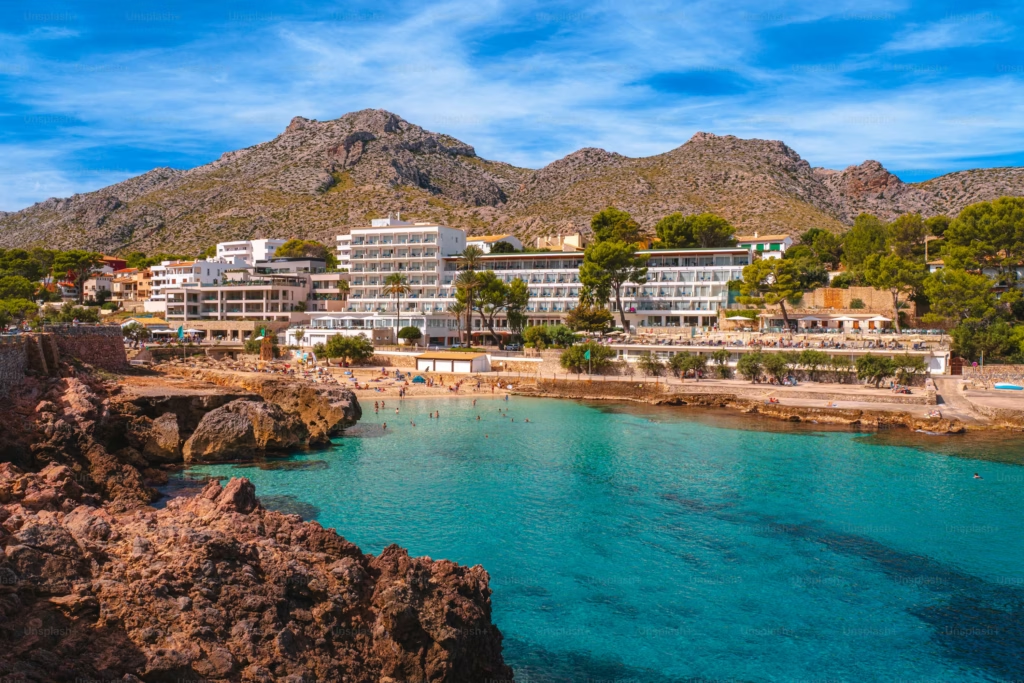
Many hotels shut their doors, seasonal workers return home, and entire resort areas become noticeably quieter. This creates economic instability for workers and businesses that depend on steady year-round income.
The winter season typically brings:
- Reduced airline routes and flight frequencies
- Hotel closures and reduced accommodation options
- Job losses for seasonal tourism workers
- Lower spending across hospitality and retail sectors
While some sectors such as cycling, hiking, and wellness tourism remain active, they are not yet large enough to fully offset the decline in traditional leisure travel.
Rising Costs And Profitability Challenges
One of the biggest concerns for winter tourism is profitability. Energy prices, food costs, and staffing expenses have all risen significantly over recent years. Operating a hotel or restaurant during winter, when occupancy levels are much lower, is increasingly difficult to justify financially.
Many business owners argue that opening during winter can result in operating at a loss unless strong incentives or guaranteed bookings are in place. This creates a cycle where limited winter services discourage visitors, and fewer visitors discourage businesses from staying open.
Key cost pressures include:
- Higher electricity and heating expenses
- Increased food and supply chain costs
- Rising wages across hospitality roles
- Maintenance and operational overheads
Without sufficient visitor numbers, maintaining quality service becomes financially unsustainable for many operators.
Changing Travel Habits Across Europe
Travel behavior is also shifting. Tourists are becoming more selective, price-conscious, and experience-driven. Short city breaks, remote work travel, and wellness-focused holidays are growing in popularity, while traditional off-season sun holidays are less common.
Majorca still benefits from its mild winter climate compared to northern Europe, but competition is intense. Destinations such as the Canary Islands, southern Portugal, and parts of North Africa are positioning themselves aggressively as winter sun alternatives with warmer temperatures and lower operating costs.
Travelers now expect:
- Affordable flight options
- Modern infrastructure
- Sustainable tourism practices
- Unique cultural or outdoor experiences
Majorca must compete on experience, not just weather.
Opportunities In Active And Cultural Tourism
Despite challenges, winter also presents real opportunities. Majorca has made significant progress in promoting cycling tourism, which attracts international athletes and hobbyists during cooler months. Hiking, golf, gastronomy, and wellness tourism also show strong potential.
The island’s mountainous landscapes, rural villages, and food culture offer a very different appeal from its summer party reputation. Winter allows visitors to experience Majorca in a calmer, more authentic way.
Growth sectors include:
- Cycling training camps and competitions
- Hiking and eco-tourism
- Cultural festivals and local heritage tours
- Wellness retreats and spa tourism
These niches attract higher-spending tourists who are less dependent on beach weather and mass entertainment.
Air Connectivity Remains A Key Issue
Airline connectivity is one of the largest obstacles to winter tourism growth. During summer, Majorca is served by hundreds of routes across Europe. In winter, many of these disappear, leaving limited direct access from key markets.
Without affordable and frequent flights, even interested tourists struggle to reach the island conveniently. This creates a barrier that local tourism boards alone cannot overcome.
Improving winter air access would require:
- Incentives for airlines to maintain routes
- Joint marketing campaigns with carriers
- Guaranteed minimum occupancy agreements
- Coordination between government and private sector
Better connectivity would immediately improve winter visitor numbers.
The Role Of Sustainability In Long-Term Planning
Sustainability is becoming increasingly important in tourism planning. Majorca faces environmental pressures during peak summer months, including water shortages, overcrowding, and waste management challenges. Expanding winter tourism could help balance visitor numbers across the year and reduce strain on resources.
A more evenly distributed tourism calendar would:
- Stabilise employment levels
- Reduce peak-season overcrowding
- Improve infrastructure efficiency
- Support local communities year-round
Sustainable tourism is not just an environmental issue, but an economic one as well.
Government And Industry Collaboration
Local authorities and tourism boards are aware of the winter challenge, but long-term solutions require close collaboration with private businesses. Marketing campaigns alone are not enough if airlines, hotels, and attractions cannot operate profitably.
Effective strategies could include:
- Tax incentives for winter operations
- Subsidies for energy-efficient upgrades
- Support for niche tourism development
- Infrastructure investment in rural areas
Without coordinated action, winter tourism will remain fragmented and inconsistent.
Digital Nomads And Remote Work Tourism
One growing opportunity is the rise of digital nomads and remote workers. Majorca offers reliable infrastructure, strong internet connectivity, and a high quality of life, making it attractive for professionals who can work from anywhere.
Winter is ideal for this market because accommodation is cheaper, the island is quieter, and services remain accessible.
Attracting remote workers could bring:
- Longer average stays
- Stable winter income for rentals
- Increased demand for coworking spaces
- Year-round economic activity
This segment aligns well with Majorca’s lifestyle appeal rather than its party image.
Local Business Concerns And Workforce Stability
For local residents, winter tourism is about stability rather than growth. Many workers struggle with seasonal contracts that end abruptly each year. This creates uncertainty, financial stress, and long-term workforce shortages as people leave the industry entirely.
A stronger winter tourism economy would help:
- Create permanent employment opportunities
- Improve income security
- Retain skilled hospitality workers
- Strengthen community resilience
Without change, tourism jobs risk becoming increasingly unattractive to younger generations.
Realistic Expectations For The Winter Market
Majorca is unlikely to ever match its summer visitor numbers in winter, and that may not be necessary. The goal is not mass tourism but sustainable volume, consistent demand, and higher-value visitors.
Winter tourism should focus on:
- Quality over quantity
- Longer stays rather than high turnover
- Experience-driven travel
- Low environmental impact
This approach aligns with modern tourism trends and economic stability.
Key Priorities Moving Forward
The future of winter tourism in Majorca depends on structural changes rather than short-term campaigns. The island already has the natural beauty, climate, and infrastructure needed. What remains is strategic alignment between stakeholders.
Priority actions include:
- Improving winter air connectivity
- Supporting year-round hotel operations
- Expanding niche tourism sectors
- Encouraging digital nomad residency
- Strengthening public-private cooperation
If these areas are addressed, Majorca could transform winter from a period of concern into one of opportunity.
Why Winter Tourism Matters More Than Ever
Winter tourism is no longer a secondary issue for Majorca. With rising costs, global competition, and shifting traveler expectations, relying solely on summer success is increasingly risky. A balanced, year-round tourism economy would protect jobs, stabilise revenue, and enhance the island’s reputation as a diverse destination.
Winter does not need to replicate summer. It simply needs to offer consistency, sustainability, and economic security. For Majorca, that may be the most important tourism challenge of the coming decade.