Alphabet-owned Waymo has broadened its commercial robotaxi footprint by opening limited public access in Dallas, Houston, San Antonio, and Orlando, signaling an aggressive push to consolidate leadership in the autonomous ride-hailing sector.
With this latest rollout, the company now operates in ten major U.S. metropolitan markets, positioning itself firmly ahead of domestic competitors still preparing large-scale commercial deployments.
Company data shared with lawmakers indicates that Waymo is already delivering more than 400,000 paid trips weekly across the United States, having surpassed 20 million total trips since launch.
Building Scale Amid Regulatory Scrutiny
The expansion comes at a moment when federal oversight remains active, as the National Highway Traffic Safety Administration continues investigations into how Waymo vehicles behave around schools and school buses.
Earlier operational hiccups, including vehicles stopping mid-road during a December storm-related power outage in San Francisco, have fueled criticism and intensified scrutiny from policymakers and safety advocates.
In correspondence to Senator Edward Markey, the company addressed transparency concerns surrounding the use of remote human assistants who intervene when vehicles encounter complex driving scenarios.
Despite such challenges, Waymo maintains that the new city launches “deepens our commitment in the states of Texas and Florida,” emphasizing long-term regional investment rather than short-term experimentation.
Competitive Pressure Intensifies
The broader autonomous vehicle race is accelerating, with Tesla, Zoox, Waabi, and Nuro all pursuing commercial robotaxi ambitions in U.S. markets.
Meanwhile, Asian players such as Apollo Go and WeRide have expanded aggressively overseas, intensifying global competition for scale and data dominance.
A 2025 survey conducted by the American Automobile Association found that six in ten U.S. drivers remain fearful of driverless vehicles, underscoring the reputational and trust-building challenge facing the entire sector.
Technology, Fleet Growth And Capital Strength
Waymo confirmed that select riders who download its app in the four new cities will receive invitations on a rolling basis, with general availability expected before the end of 2026.
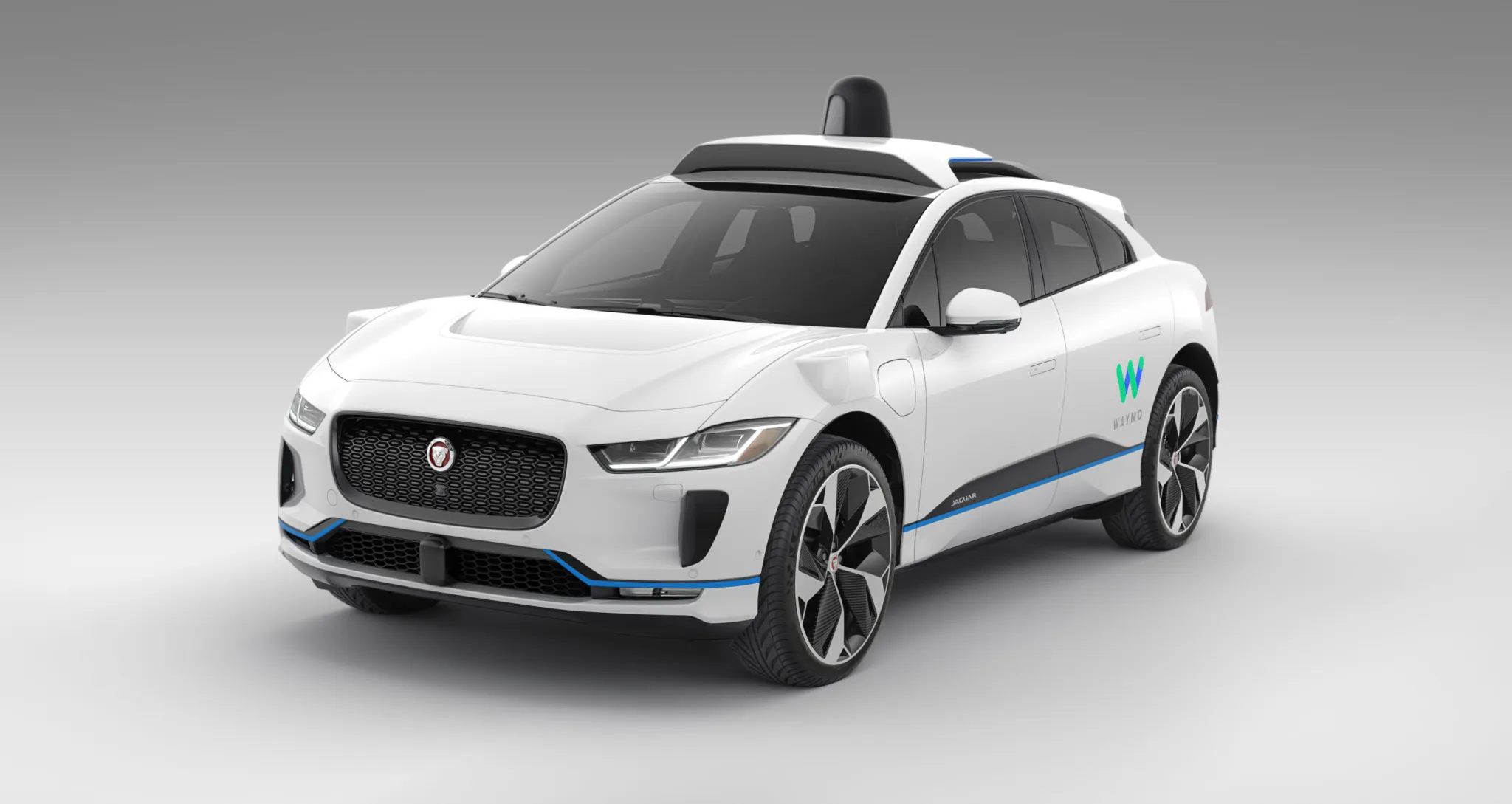
The newly launched markets will utilize the company’s fifth-generation autonomous driver system integrated into Jaguar I-PACE electric vehicles, while a sixth-generation platform built on Geely’s Ojai electric model has begun limited employee testing in California.
At the end of January, regulatory filings showed Waymo operating just over 3,000 autonomous vehicles nationwide, a figure likely to grow as capacity increases in Texas and Florida.
The company’s financial position remains robust after raising $16 billion in February at a valuation of $126 billion, with parent company Alphabet acting as majority investor.
By extending service across multiple high-growth Sun Belt cities while maintaining momentum in established hubs such as Miami, Austin, Phoenix, Atlanta, Los Angeles, and the San Francisco Bay Area, Waymo appears intent on locking in rider loyalty before rivals can meaningfully scale.