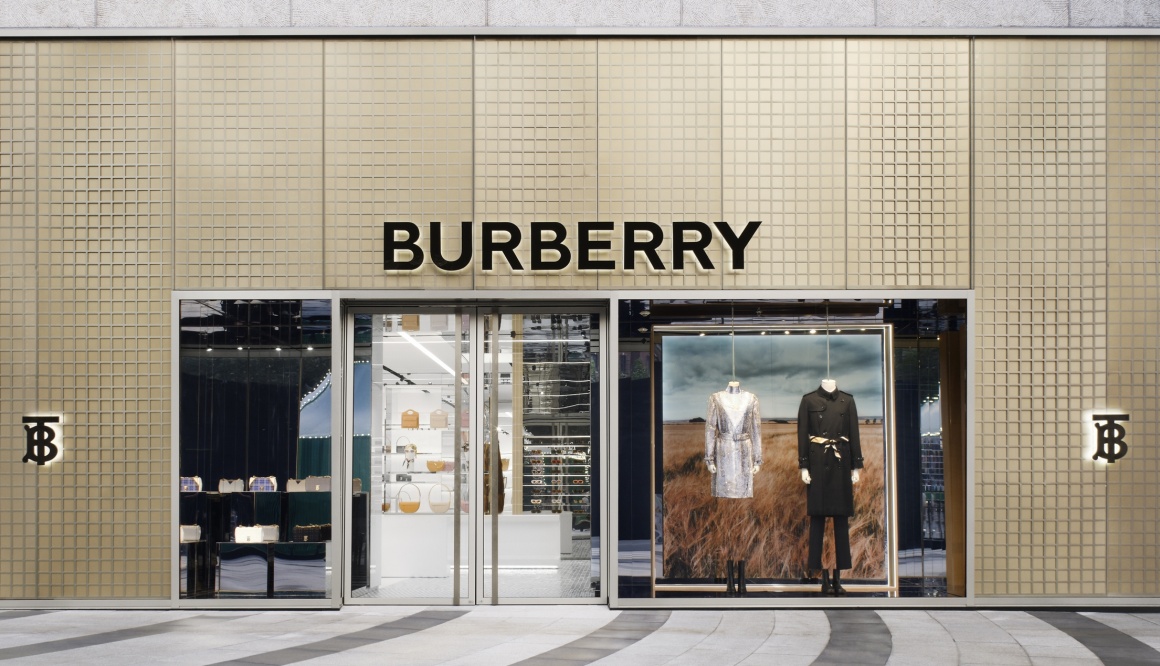
Burberry Group (LSE: BRBY) is drawing renewed attention from investors as the iconic British luxury brand shows signs of a meaningful business recovery in 2026.
The company’s return to profitability has become a central talking point among analysts and market watchers tracking the FTSE 100 constituent closely.
Burberry’s strong brand identity, built over more than a century, continues to serve as one of its most durable competitive advantages in the global luxury sector.
The group’s international footprint spans key luxury markets across Europe, Asia, and the Americas, giving it broad exposure to high-net-worth consumer spending worldwide.
Improving business performance has helped shift the narrative around Burberry after a period marked by strategic uncertainty and declining margins that weighed heavily on the stock.
Valuation discussions have intensified alongside the operational improvements, with investors now debating whether the current share price adequately reflects the company’s recovery trajectory.
Luxury sector analysts have increasingly highlighted Burberry as a brand with the heritage and distribution strength needed to sustain a long-term turnaround in competitive global markets.
The FTSE 100 listing gives Burberry (LSE: BRBY) significant visibility among institutional investors who track large-cap British equities for both growth and dividend potential.
Consumer appetite for premium British fashion labels has remained resilient in several key international markets, which continues to benefit Burberry’s revenue outlook heading through the year.
Market buzz around BRBY reflects a broader investor interest in identifying luxury turnaround plays at a time when the global high-end goods sector faces mixed macroeconomic signals.
The combination of brand strength, improving profitability, and growing valuation debate suggests Burberry remains one of the more closely watched names on the London Stock Exchange in 2026.