UK consumer staples companies are drawing renewed investor attention as tax uncertainty continues to weigh on broader market sentiment across the London Stock Exchange.
The FTSE 350 consumer staples segment, which includes names such as CWK, TATE, and KITW, is seen by some analysts as a relative safe haven during periods of fiscal instability.
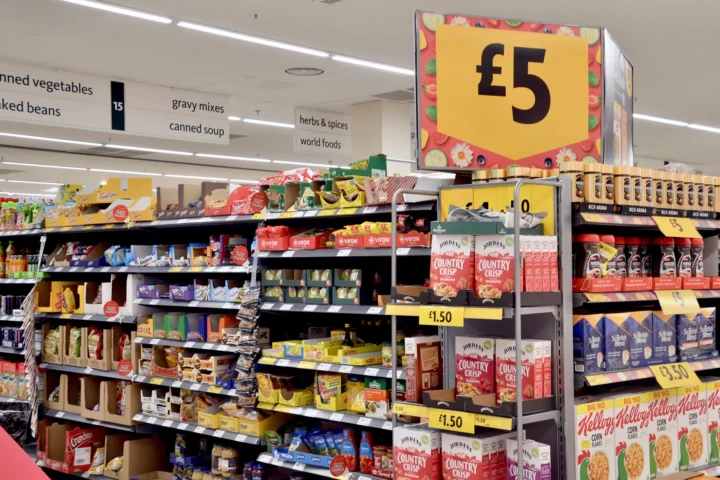
Consumer staples businesses sell essential everyday products, meaning demand tends to remain relatively consistent even when household budgets come under pressure from shifting tax policies.
The UK government’s ongoing adjustments to tax frameworks have created a more unpredictable operating environment for many industries, pushing investors toward sectors with more predictable revenue streams.
Companies in this space have been managing a combination of operational expansion efforts and evolving consumer demand patterns, requiring careful strategic planning and capital allocation.
Inflationary pressures over recent years have already tested the resilience of consumer staples firms, forcing many to adjust pricing strategies and supply chain operations to protect margins.
Despite those headwinds, the sector has broadly maintained its reputation for stability, which remains a key draw for investors seeking to reduce portfolio volatility during uncertain periods.
Tax policy changes can affect input costs, consumer spending power, and corporate profitability simultaneously, making it critical for businesses in this sector to maintain flexible operational models.
The focus on essential products gives consumer staples companies a structural advantage, as consumers are far less likely to cut spending on food, beverages, and household goods than on discretionary items.
Longer-term business resilience remains a central theme for listed UK consumer staples companies, as management teams balance short-term cost pressures against investment in growth and efficiency.
Investors monitoring the FTSE 350 for defensive positions may find the consumer staples segment worth examining closely, particularly as broader economic and fiscal conditions remain fluid heading through 2026.