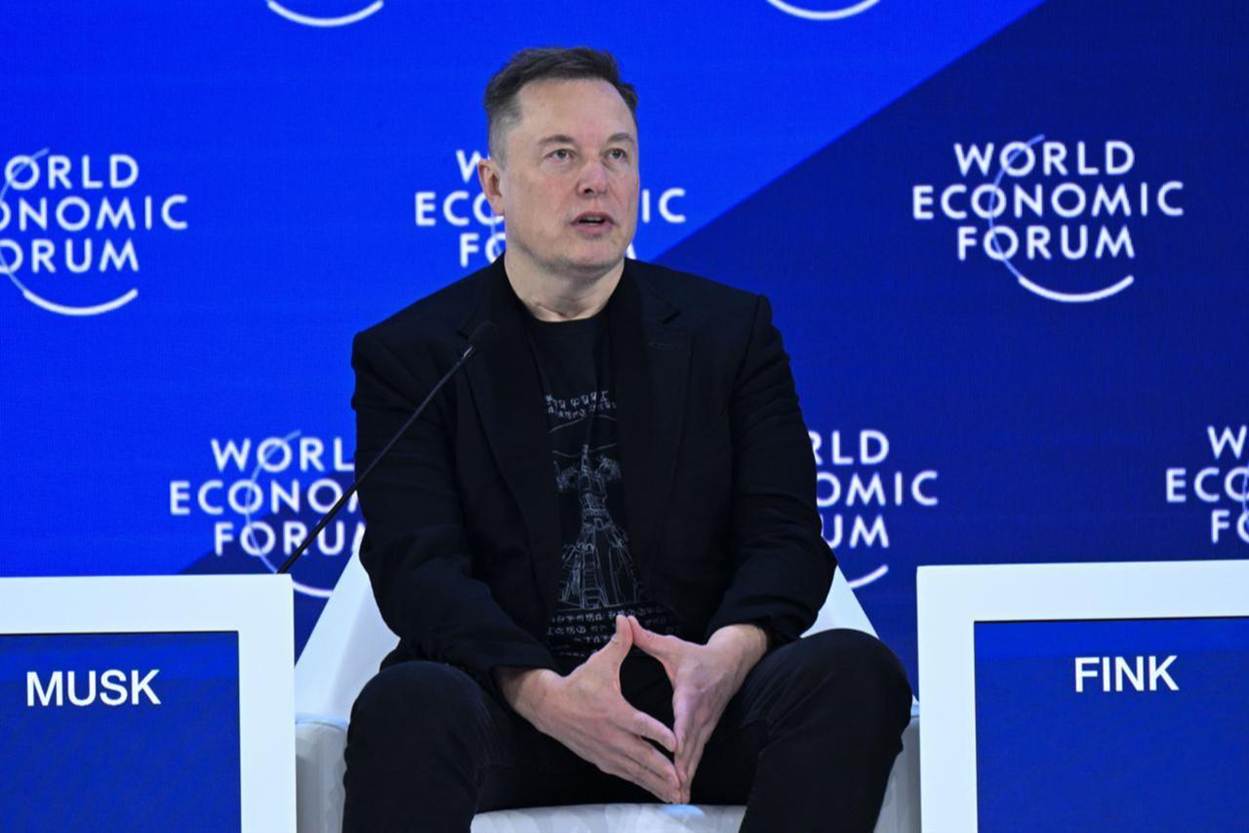
At the end of 2025, Elon Musk held roughly 20% of Tesla (NASDAQ: TSLA), a position that includes more than 300,000,000 options he recently exercised.
That stake is estimated to be worth approximately $200 billion, making it one of the largest individual ownership positions in any publicly traded company.
For context, asset management giant Vanguard held the second-largest position in Tesla with just a 6.1% stake in the electric vehicle maker.
The sheer scale of Musk’s ownership fundamentally changes the dynamics between the CEO and the broader shareholder base in ways investors need to understand.
Wall Street generally views insider ownership as a positive signal, because it suggests a CEO’s financial interests are aligned with those of outside shareholders.
However, when a single executive controls 20% of a company’s voting power, that alignment can tip into something closer to dominance, potentially allowing the CEO’s preferences to override those of other investors.
Musk’s influence extends well beyond Tesla, as he also holds 82% voting control at Space Exploration Corporation (NASDAQ: SPCX), which recently completed its initial public offering.
Despite being a newly public company, Space Exploration Corporation already carries a market capitalisation of $1.5 trillion, making it larger than Tesla by that measure.
The company’s own prospectus was direct about the implications of that concentration, stating: “As a result, Mr. Musk will be able to control the outcome of matters requiring shareholder approval.”
Even Tesla’s board of directors, which exists to represent shareholder interests, would likely find it difficult to challenge a CEO holding such a commanding ownership position.
Musk’s outsized involvement in U.S. politics in 2025 illustrated how non-business decisions can carry real economic consequences for Tesla shareholders, as some consumers chose to boycott the brand.
Tesla’s vehicle deliveries declined materially that year, demonstrating that the CEO’s public conduct and personal choices can directly affect the company’s financial performance.
Investors considering either Tesla or Space Exploration Corporation should treat Musk’s level of control as a core part of their investment thesis, not a secondary consideration.
As the article’s author put it, buying into either company means investing alongside Musk, with limited practical ability for the board or minority shareholders to alter his direction.
For those who are comfortable with that arrangement, both companies offer exposure to visionary businesses; for those who are not, the ownership structure alone may be reason enough to look elsewhere.