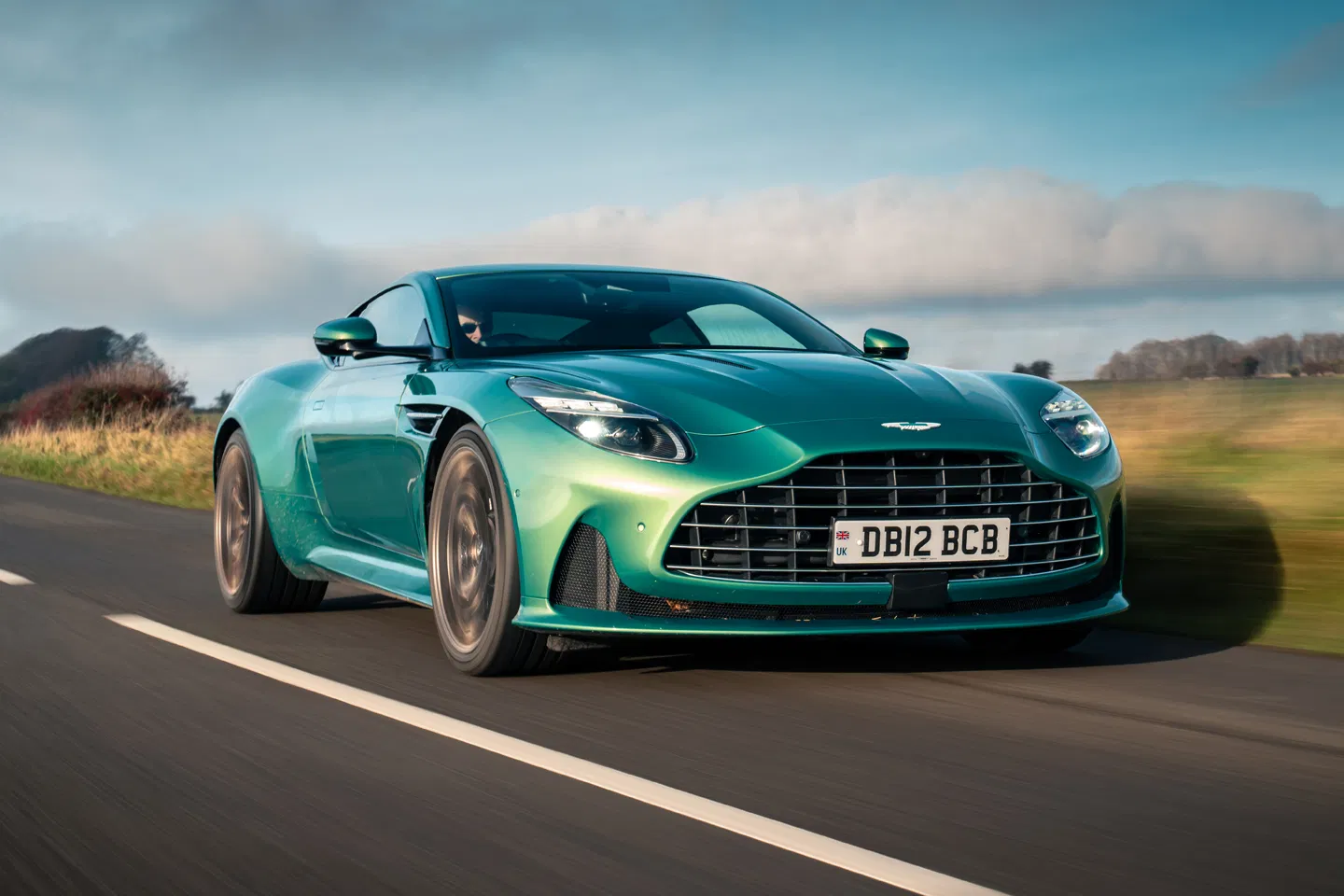
Aston Martin Lagonda (LSE: AML) has delivered one of the most brutal shareholder experiences in the entire FTSE 250 index over recent years.
The luxury carmaker’s stock is down 25% over three months, 42% over six months, 53% over one year, and a staggering 90% over three years.
Zoom out further and the picture worsens considerably, with the shares down 95% over five years and 99% since the 2018 IPO.
At just over 35p per share, the question investors are now asking is whether the stock represents a genuine bargain or simply another value trap.
The first half of 2026 did bring some encouraging operational momentum that bulls will be keen to highlight to skeptical observers.
Wholesale volumes rose 21% in H1, including a 43% surge in Q2, driving total revenue up 38% to £627m during the period.
Gross profit jumped 68% to £213m, pushing the gross margin to 33.8%, compared to 27.9% in the equivalent prior-year period.
A significant driver of this improvement was the delivery of 220 high-margin Valhalla supercars, which have received strongly positive reviews from the motoring press.
Top Gear described the vehicle in glowing terms, writing: “We like the Valhalla…Overall, it’s a wickedly desirable car and looks quite stunning amongst normal traffic…Aston Martin is on a roll lately, but the Valhalla is next level.”
Q2’s free cash outflow also narrowed significantly to £81m, compared to £201m in the same quarter the prior year, a meaningful directional improvement.
The company has stated that free cash outflow is expected to “materially improve” in FY26, against a backdrop where the FY25 outflow totalled £410m.
Customer personalisation options, including bespoke paintwork and hand-stitched interiors, accounted for approximately 17% of core revenue in H1, mirroring a strategy that has driven growth at Ferrari in recent years.
However, the headline metrics mask some deeply concerning numbers sitting further down the income statement and on the balance sheet.
Despite the significantly higher revenues and improved gross profit, the pre-tax loss actually widened to £154m in the first half of 2026.
Net debt also rose 12% to £1.54bn, a figure that continues to cast a long shadow over any optimistic assessment of the company’s prospects.
The Aston Martin brand itself has proven more resilient than some other struggling FTSE 250 names, with new models generating genuine excitement among enthusiasts and wealthy buyers alike.
CEO Adrian Hallmark and his team have made notable progress in genuinely difficult circumstances, including headwinds from US tariffs and ongoing Middle East conflict.
Yet for many investors, the combination of massive debt, wide pre-tax losses, and a long history of emergency capital raises makes the risk-reward calculation uncomfortable at best.
The Aston Martin story remains one where the brand’s undeniable prestige and the quality of its new vehicles have yet to translate into the financial stability that long-suffering shareholders desperately need to see.