The S&P 500 (SNPINDEX: ^GSPC) is on track to post its fourth consecutive year of double-digit gains, a milestone not seen since the 1990s.
The market gained 24.2% in 2023, followed by 23.3% in 2024, then 16.4% in 2025, and is up 11.6% year to date in 2026.
If the year closes strong, it would mark a historic run that rivals the eight consecutive years of double-digit gains recorded during the 1980s.
Despite the bullish momentum, high valuations remain a persistent concern that analysts and experienced investors are watching closely.
As famed investor Warren Buffett has pointed out, investors love a strong bull market, but prices that are uncoupled from performance won’t last.
Excitement around artificial intelligence continues to push certain stocks to astronomical valuations, raising questions about how long the market can sustain these price levels.
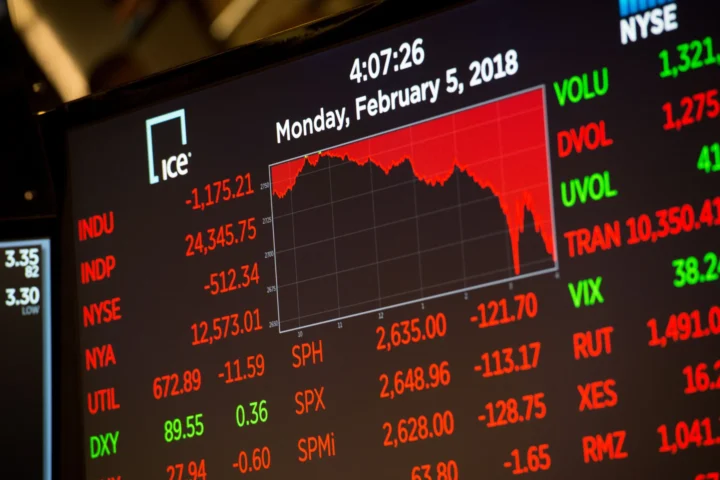
A bear market is defined as a decline of at least 20% from recent highs, and it can arrive slowly or suddenly, expected or completely without warning.
When the COVID-19 pandemic struck in 2020, the market crashed without warning, but a bear market today would arrive in a more anticipated economic environment.
The key lesson from market history is straightforward: investors who keep buying through downturns, rather than selling out of fear, consistently end up winning over the long term.
Selling during a downturn converts paper losses into real ones, while holding steady allows those losses to reverse, as has happened in every bear market on record.
The 2022 decline offers a powerful illustration, when both Amazon and Nvidia each lost approximately 50% of their value while the broader S&P 500 shed nearly 20%.
Investors who bought Amazon and Nvidia at those 2022 lows have since reaped enormous rewards as both stocks rebounded dramatically in the years that followed.
There is no reliable method for predicting exactly when a bear market will arrive or how deep it will go, making consistent investing the most dependable strategy.
Keeping some cash on hand allows investors to take advantage of discounted prices when sentiment turns negative and fear drives broad selling across the market.
There is a saying that history doesn’t repeat, but it rhymes, and the pattern of recovery following every bear market suggests patient investors will be rewarded once again.