London energy markets opened with attention fixed on planned American sanctions on Iran and the risk of retaliation around a vital global shipping corridor.
Crude prices weakened despite the geopolitical threat, signalling that traders were simultaneously weighing potential demand damage and the broader economic effects of tighter policy.
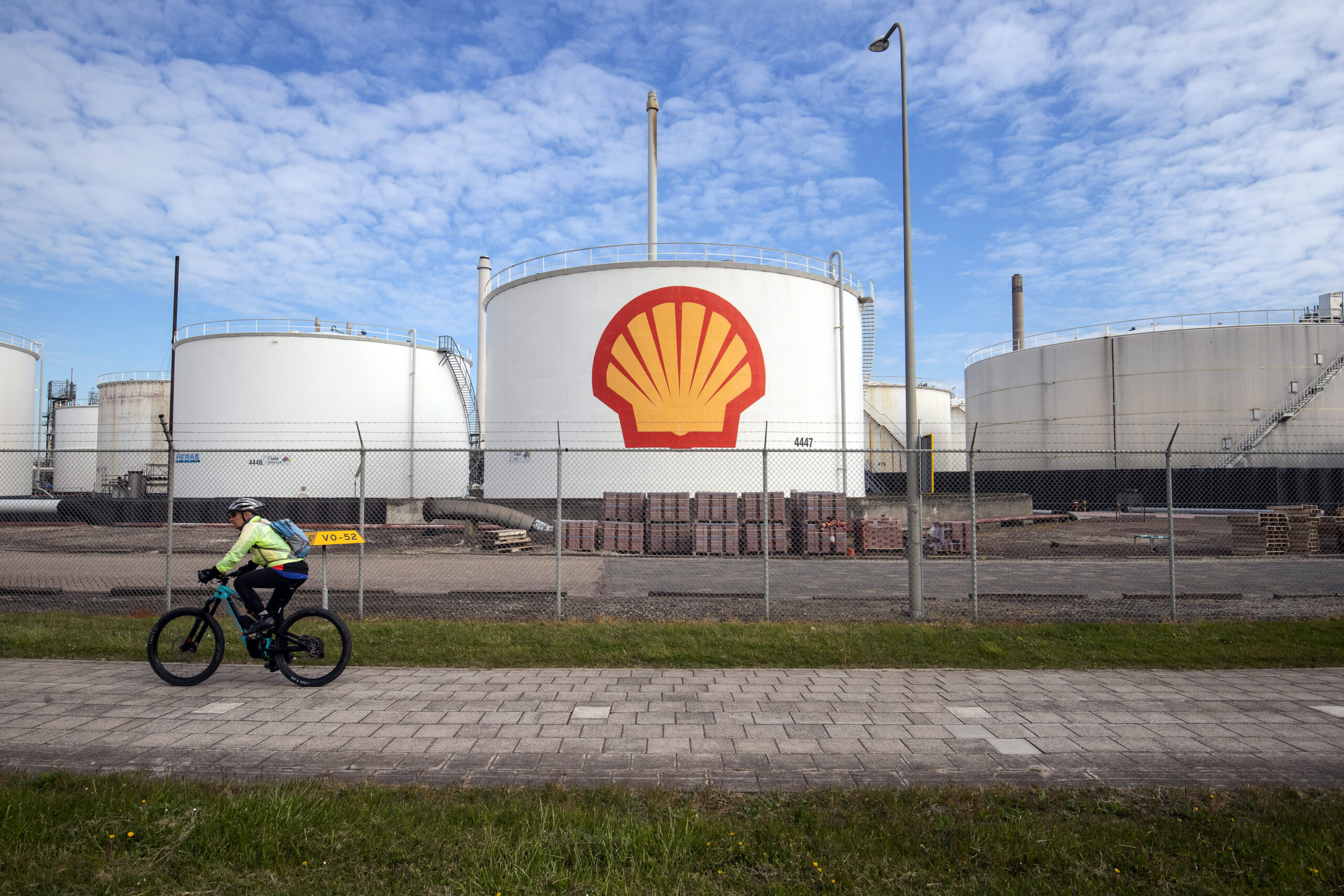
Shell (LSE:SHEL) and BP (LSE:BP.) sit at the centre of the UK value debate because both companies combine commodity cash flow with diversified operations and significant capital commitments.
An integrated oil company can appear inexpensive when current cash generation is strong, yet markets may already be discounting future price weakness, elevated project spending, or strategic uncertainty.
The durable value question for Shell (LSE:SHEL) and BP (LSE:BP.) is how much free cash remains under several different commodity outcomes once the business is properly funded and maintained.
A threatened shipping corridor can alter freight costs, insurance premiums, delivery times, and the availability of specific crude grades across global markets.
Shell (LSE:SHEL) and BP (LSE:BP.) operate global trading and refining networks that can redirect cargoes and source alternative supplies, though this flexibility also creates additional working-capital needs and operational complexity.
The impact of route disruption varies significantly across divisions, with producers potentially benefiting from tighter supply while refineries face more expensive feedstock and customer businesses absorb weaker demand.
Shell (LSE:SHEL) attracted additional attention following reports of potential bidders for American chemicals assets, raising questions about portfolio simplification and future capital allocation strategy.
A disposal can reduce complexity and release capital, but value depends on the price achieved, the obligations transferred, and the environmental liabilities, tax, and separation costs that can materially change net proceeds.
BP (LSE:BP.) has faced continuing scrutiny over strategic direction, operating delivery, and the balance between traditional hydrocarbon investment and energy transition commitments, with market discounts reflecting uncertainty about future capital choices.
Clarity about strategy does not require ignoring changing markets, but it does require transparent investment thresholds and a clear explanation of how each business unit contributes to overall cash generation and risk management.
Oil and gas fields decline without sustained investment, meaning the cash Shell (LSE:SHEL) and BP (LSE:BP.) report before necessary reinvestment overstates what is genuinely available to equity holders over time.
Energy companies also operate under fiscal regimes that can shift when commodity prices rise or public finances tighten, with windfall levies, investment allowances, and carbon costs all capable of altering project economics materially.
Debt amplifies equity outcomes in both directions, and lease obligations, decommissioning provisions, and pension commitments add claims that simple net-debt comparisons may not fully capture for Shell (LSE:SHEL) and BP (LSE:BP.).
Oil and gas assets eventually require wells to be plugged, structures removed, and sites restored, and these future cash obligations reduce the value of mature production even when near-term operating margins remain strong.
Shell (LSE:SHEL) has a substantial energy trading capability, while BP (LSE:BP.) also participates actively across global energy markets, though a cautious valuation avoids capitalising any exceptional trading outcome as a permanent recurring contribution.
Reliable production, controlled project costs, and consistent capital allocation would provide the strongest evidence that the cash durability case for Shell (LSE:SHEL) and BP (LSE:BP.) is well founded.
Today’s energy market volatility ultimately reveals which parts of the value case depend on favourable commodity prices and which elements derive from genuine underlying business resilience.
UK energy value stocks such as Shell (LSE:SHEL) and BP (LSE:BP.) combine upstream, refining, trading, and customer operations, meaning their true value depends on group cash generation after full reinvestment requirements and all recognised liabilities are accounted for.