Savannah Energy PLC (LSE:SAVE) has moved into sharp focus after the Africa-focused energy company issued an operational and financial update to the market.
The stock registered a dramatic decline, with SAVE trading at just 0.06 GBX, reflecting a move of nearly 99 percent in the latest session.
The scale of that move underlines how heavily London’s market is currently weighing company-specific delivery evidence against broader sector optimism.
Savannah Energy operates across African energy markets, and its operational update places asset delivery and funding visibility at the centre of investor attention.
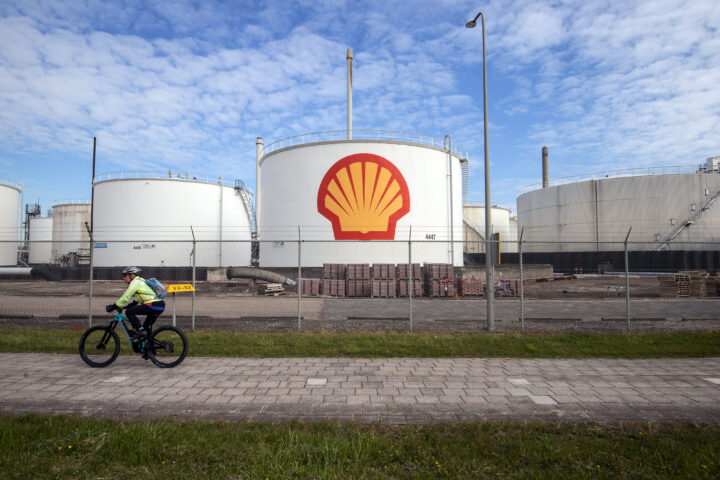
Shell plc (LSE:SHEL), trading at 3236.00 GBX with a gain of 2.405 percent, offers a contrasting read on energy stocks through commodity cash flows and portfolio discipline.
Shell is an integrated energy major whose market direction remains closely tied to crude and gas sentiment, making it a useful counterpoint to Savannah’s more concentrated Africa exposure.
Against this backdrop, oil prices have cooled while investors continue to monitor geopolitical risk, bond yields, and signals from central bankers.
For energy stocks broadly, the practical issue remains asset delivery and funding visibility, rather than any assumption that sector attention translates into uniform performance across companies.
The FTSE 100 provides the wider UK market reference, but index direction tells only part of the story when individual company disclosures are moving stocks so dramatically.
Volatility of the kind seen in SAVE is especially informative when it exposes a gap between optimistic framing and the evidence available in formal company disclosures.
Sector momentum can fade quickly, leaving company-specific cash generation, governance, and operational delivery to carry more weight in the overall investment argument.
The distinction between a catalyst, a confirmation, and a temporary sentiment effect becomes especially valuable when a single announcement triggers outsized price movement.
Investors tracking energy stocks are increasingly separating operating evidence from enthusiasm generated by the wider market tape, demanding clearer proof of execution.
Balance-sheet detail, delivery language, and timing can outweigh a favourable macro narrative in a market environment where funding conditions remain uncertain for smaller operators.
Further clarity on Savannah Energy’s trajectory will depend on the cadence of official updates and whether operational statements begin to reinforce or undermine the broader market narrative.