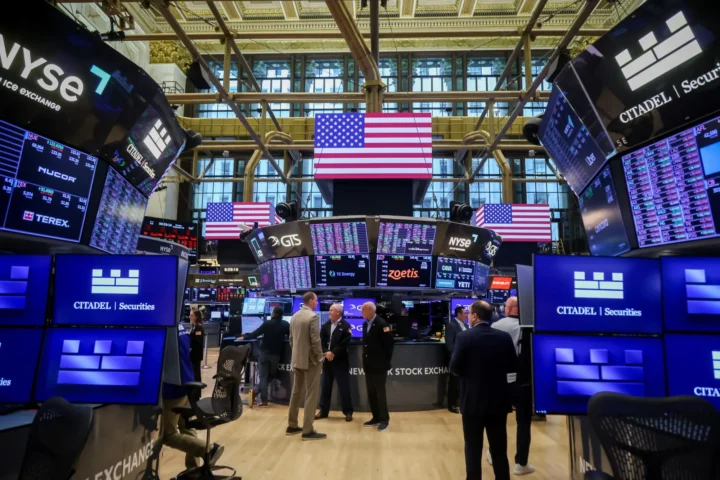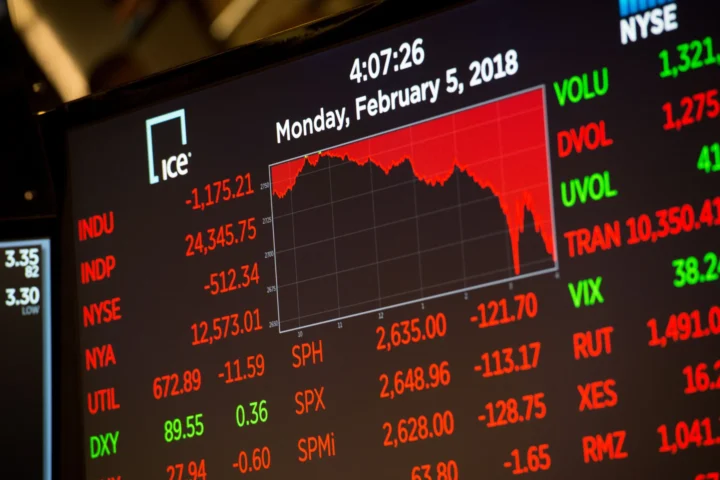
The S&P 500 (^GSPC), Nasdaq Composite (^IXIC), and Dow Jones Industrial Average (^DJI) have all surged to record highs despite years of significant economic headwinds.
Stubborn inflation, a wave of tariffs, and the war in Iran have all failed to derail what has become one of the most resilient bull markets in modern history.
However, a key valuation metric is now repeating a pattern not seen since the dot-com bubble of the early 2000s, raising serious questions about where markets go from here.
The S&P 500 Shiller cyclically adjusted price-to-earnings ratio, known as the CAPE ratio, measures the index’s valuation against average inflation-adjusted earnings over the prior decade.
Historically, the CAPE ratio has averaged around 17 since the 1870s, making its current elevated levels a significant outlier by any long-term measure.
During the dot-com bubble, the ratio skyrocketed into the 40s before peaking at over 44 in December 1999, approximately four months before the bubble officially burst.
That same threshold is being tested again, with the CAPE ratio consistently hovering above 40 since early May 2026, a level that is extraordinarily rare in market history.
Artificial intelligence stocks have been a primary driver of recent market gains, echoing how early internet companies inflated valuations during the dot-com era of the late 1990s.
While an elevated CAPE ratio signals potential overvaluation, it cannot pinpoint exactly when a market downturn will begin, and the S&P 500 has surged more than 20% even as warnings mounted.
Investors who exited the market at the first signs of overvaluation over the past year would have missed out on substantial gains, underscoring the risk of trying to time any correction.
History also provides a longer-term source of reassurance for those concerned about a potential bubble bursting and a deep market decline taking hold.
Analysis from Crestmont Research found that since 1919, the S&P 500 has delivered positive total returns over every single 20-year period, regardless of how volatile individual years were.
The dot-com crash did wipe out hundreds of technology companies, proving that not every stock will survive a severe bear market or an extended period of economic turbulence.
However, the broader market has demonstrated repeatedly that it can recover from even the most severe downturns when investors maintain a long-term perspective and hold quality stocks.
Staying invested in fundamentally strong companies for at least a decade or two remains the strategy most likely to carry portfolios through any future volatility intact.