Tesla’s (NASDAQ: TSLA) Optimus robot has captured public imagination, but investors may be misjudging where the technology will actually find its earliest and most meaningful adoption.
Hollywood films tend to place humanoid robots in domestic settings, creating a cultural expectation that robots like Optimus will one day fold laundry or cook dinner in family homes.
That narrative, while compelling on screen, may be leading investors to misjudge the near-term commercial trajectory of Tesla’s most ambitious hardware product.
Tesla CEO Elon Musk has called Optimus “the biggest product ever,” a bold claim that underscores just how much is riding on the robot’s successful development and deployment.
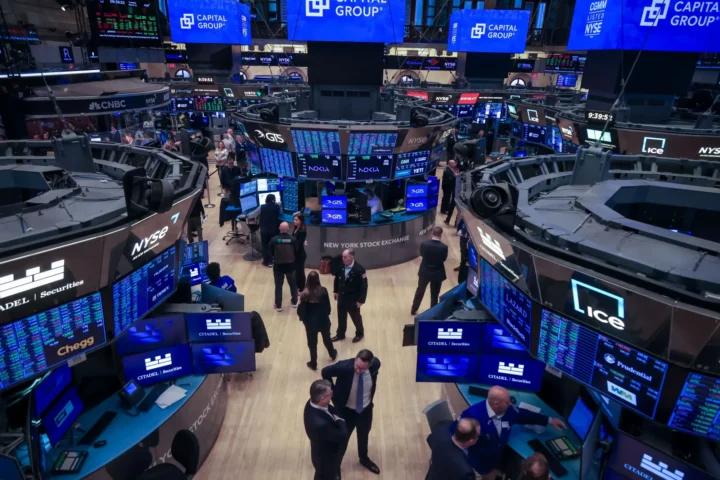
However, the reality of where robots are actually used today points toward factories and logistics facilities, not living rooms or kitchens.
According to the International Federation of Robotics’ “World Robotics 2025” report, robots are most widely used in industrial settings, where automation has been expanding for decades.
The automotive and logistics industries have long been early adopters of robotics, building the infrastructure and operational expertise needed to integrate machines alongside human workers.
Tesla’s own head of AI, Ashok Elluswamy, confirmed that internal deployment is already underway at scale, stating that “We have a large number of Optimus robots practicing their tasks in what we call the Optimus Academy.”
Elluswamy added that data generated from this practice “will be invaluable and help us close any minor form factor gaps that may exist between the bot and the humans,” signaling a methodical, data-driven path toward commercial readiness.
This approach mirrors how Tesla scaled its electric vehicle production, starting with controlled environments before pushing toward mass-market volumes.
Investors evaluating Tesla as a growth opportunity should factor in that Musk himself struck a cautious tone on a recent earnings call regarding how long it will take to ramp up Optimus production.
That caution reflects the real complexity involved, since perfecting the robot’s capabilities and then scaling manufacturing are both enormous challenges before adoption even enters the picture.
The distinction between production scaling and market adoption is critical for investors trying to assess the robot’s contribution to Tesla’s future revenue streams.
A movie about a humanoid robot improving productivity in an automotive plant by carrying parts around is not likely to be a box-office success, but it is exactly the kind of application Optimus is most likely to be used for first.
Investors who anchor their expectations to Hollywood’s version of robotics risk overestimating short-term consumer adoption while underestimating the more immediate and measurable industrial opportunity that Optimus actually represents.