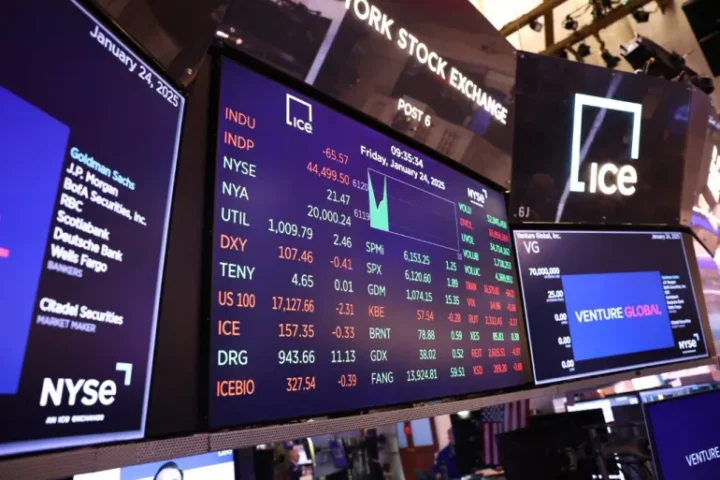
Jumia Technologies (NYSE: JMIA) shares closed August almost 16% higher, driven by a strong second-quarter earnings report and a major capital raise announcement.
The African e-commerce company published its Q2 results on August 12, revealing revenue of $52 million, a 14% year-over-year improvement that impressed investors.
Gross merchandise value climbed even more steeply, advancing 20% to surpass $207 million for the quarter, signaling robust demand across Jumia’s markets.
Management credited the revenue growth largely to a significant strategic shift away from first-party sales toward a third-party seller model on its platform.
Quarterly active customers surged 21% to reach 2.6 million, underscoring the platform’s growing appeal across the African continent.
Jumia performed particularly well in Nigeria, its home market, where total orders rose 34% and GMV jumped 36% during the quarter.
On the bottom line, higher spending on advertising and fulfillment widened the company’s net loss to $16.6 million, compared to $11.7 million in the same period a year earlier.
Alongside the earnings release, Jumia announced it had secured $50 million in fresh capital, with roughly $25 million coming from the World Bank’s International Finance Corporation.
The remainder of the capital raise was drawn through equity purchase agreements with institutional investor Axian and other existing shareholders, with Axian and those investors acquiring more than 4.5 million new ADSes.
As part of its arrangement with the IFC, Jumia signed a policy agreement requiring compliance with a set of performance, environmental, and social impact standards set by the organization.
The IFC purchased nearly 9.06 million new ordinary bearer shares, with the deal structured to close using ADSes at a ratio of two ADSes per ordinary share.
Jumia stated it would use the net proceeds “to support its next phase of growth, enhance efficiency across its core African markets and strengthen its integrated marketplace and logistics network.”
Despite the positive momentum, the company’s ongoing losses remain a concern for investors who have watched Jumia carry deficits for an extended period.
The company has set reaching breakeven on adjusted EBITDA as early as the fourth quarter as a key strategic goal, a target that will require sustaining the double-digit growth rates seen in Q2.