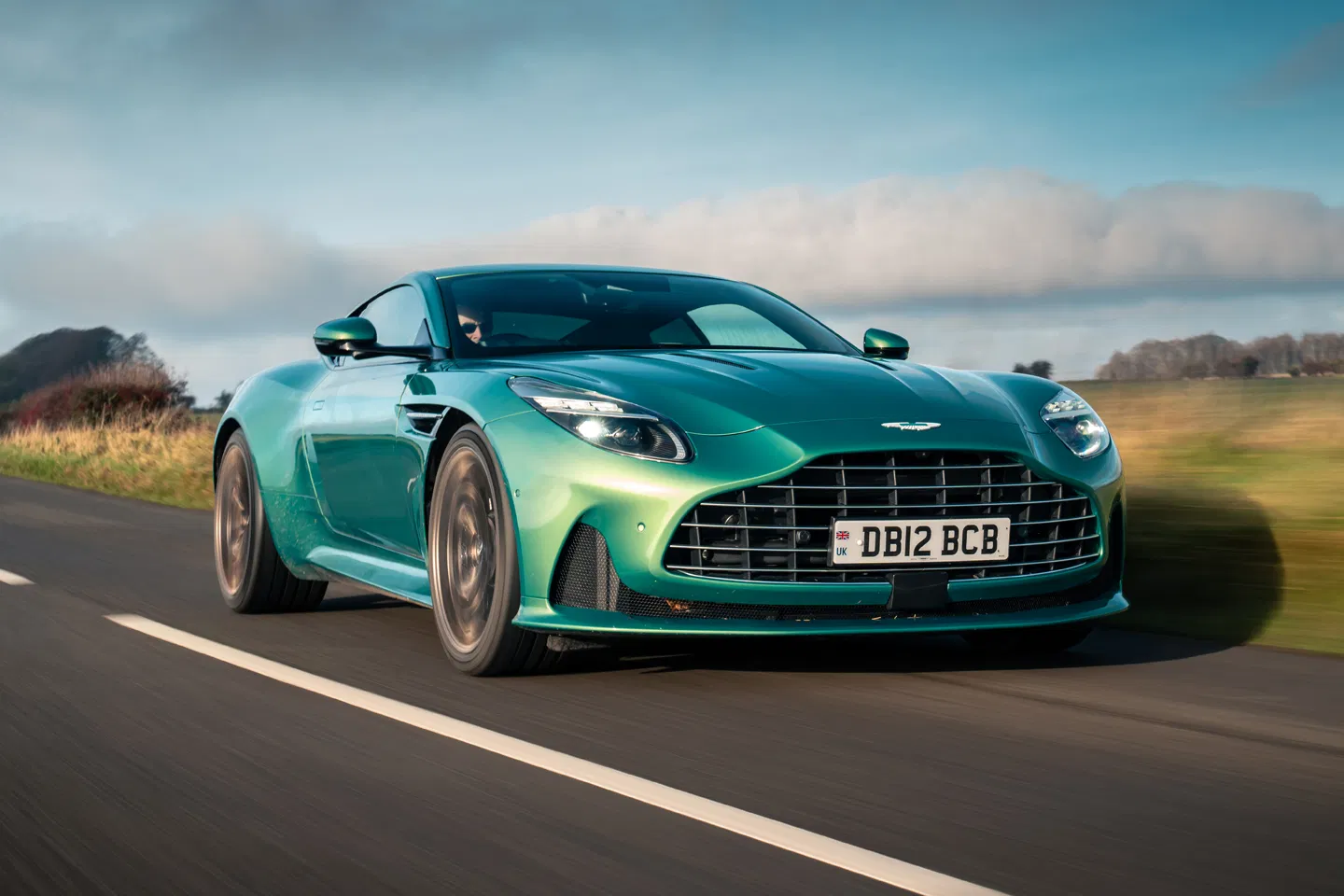
Aston Martin Lagonda Global Plc (LSE: AML) is being ejected from the FTSE 250, a striking development for one of Britain’s most iconic luxury brands.
The departure raises urgent questions about whether the stock’s steep decline has created a genuine buying opportunity or simply reflects deep, unresolved problems within the business.
Shares in the company have fallen 61%, and analysts are increasingly sceptical that brand recognition alone can bridge the gap between perception and financial reality.
The comparison to Ferrari is instructive — both companies operate Formula 1 teams and command extraordinary cultural prestige, yet their financial trajectories could hardly be more different.
Ferrari has delivered consistent profits over many years, building an order book that stretches into late 2027, while Aston Martin has a history that includes multiple bankruptcies over the decades.
Ferrari deliberately caps production below demand, which supports strong residual values and allows the company to raise list prices with each new model cycle, while Aston Martin’s overall sales prices are actually down 15%, even as core pricing has risen around 5%.
The balance sheet presents another serious concern, with Aston Martin spending approximately 12% of its revenues on interest payments, compared to less than 2% at Ferrari, leaving far less capital available for future platform development.
Ownership continuity has also been a persistent weakness, with Aston cycling through multiple owners and chief executives, while Exor’s long-term stewardship of Ferrari has allowed the Italian marque to maintain strategic focus under just two chief executives over the past decade.
The F1 economics further separate the two rivals, as Ferrari owns Scuderia Ferrari within its listed company and retains the sponsorship revenues, whereas Aston Martin and its F1 operation remain independent entities with no such financial integration.
On a valuation basis, enterprise-value-to-EBITDA may be the most relevant metric given the company’s debt load, and Aston Martin currently trades at around 16 times, compared to Ferrari’s multiple of approximately 25 times.
Paying a third less for a business that loses money on each car it sells is, by any measure, a high-risk proposition, regardless of how powerful the underlying brand may be.
Lawrence Stroll’s family involvement in Formula 1 has raised hopes that he might eventually provide the ownership stability the company has historically lacked, though that stability has not yet materialised in any meaningful financial sense.
There is an important distinction between genuine value investing and speculative risk-taking, and for many analysts, Aston Martin’s combination of debt, pricing weakness, and structural challenges tips the balance firmly toward the latter.