A stark divide is emerging across the sports gambling and prediction markets landscape in 2026, separating struggling public companies from a surging private rival.
DraftKings (DKNG) closed at $19 on Wednesday, marking its lowest closing price since April 2023 and setting a fresh 52-week low in three of the last four trading sessions.
The stock has lost roughly half its value since shares reached $38.06 one year ago, reflecting sustained pressure on the company’s market position and financial performance.
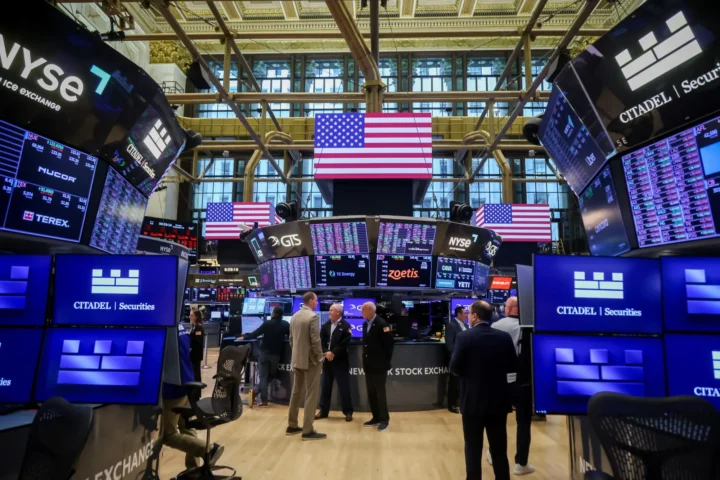
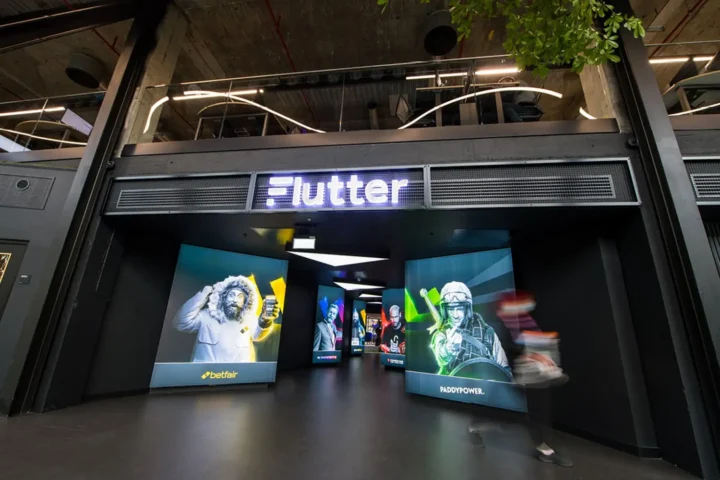
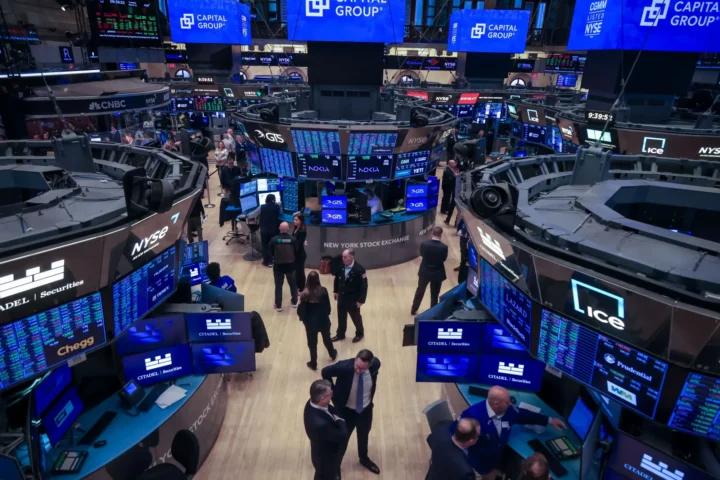
Flutter Entertainment (FLUT), the parent company of FanDuel, touched an intraday low of $74.35 on Wednesday morning, the lowest point since it began trading on the New York Stock Exchange in January 2024.
Flutter shares closed slightly higher at $74.55, but the stock remains down approximately 71% from its 52-week high of $261.22, a stunning decline for one of the world’s largest betting operators.
Together, the two dominant US sportsbook brands are now worth roughly $30 billion combined, a figure that is drawing uncomfortable comparisons to private competitor Kalshi.
Kalshi is reportedly seeking a valuation of nearly $40 billion in a new funding round, which would dwarf the combined market capitalisation of its two biggest publicly traded rivals.
The prediction-market platform’s last completed round, completed this spring, valued Kalshi at $22 billion, double the $11 billion valuation it secured late last year, signalling rapid investor confidence.
DraftKings stock fell 7.6% on September 17 after Needham estimated that Kalshi captured 76% of prediction-market trading volume during the NFL’s first week, compared to roughly 3% for DraftKings’ own exchange, DKeX.
Prediction markets allow users to trade contracts on the outcomes of real-world events, including sports games, a format that has proven highly attractive to a new generation of bettors.
The competitive threat from Kalshi is not new territory for DraftKings, which fell approximately 12% on September 30, 2025, the day after Kalshi launched parlay-style NFL contracts.
DraftKings’ second quarter results, reported August 6, fell short of Wall Street’s revenue and profit estimates, with the company pointing to bettor-friendly outcomes such as the Knicks’ NBA title.
The company maintained its full-year outlook despite the miss, though increased customer acquisition spending added further strain to its near-term financial picture.
Analyst sentiment remains cautiously supportive, with nearly every firm in Benzinga’s ratings feed since June rating the stock a Buy or equivalent, though price targets are being steadily revised lower.
Citizens cut its DraftKings target to $35 from $37 on September 24, while UBS trimmed its target to $48 from $49 on September 18, reflecting growing concern about the competitive landscape.