The Bureau of Labor Statistics reported that the consumer price index climbed 3.7% in the 12 months through September, up from 3.4% in August.
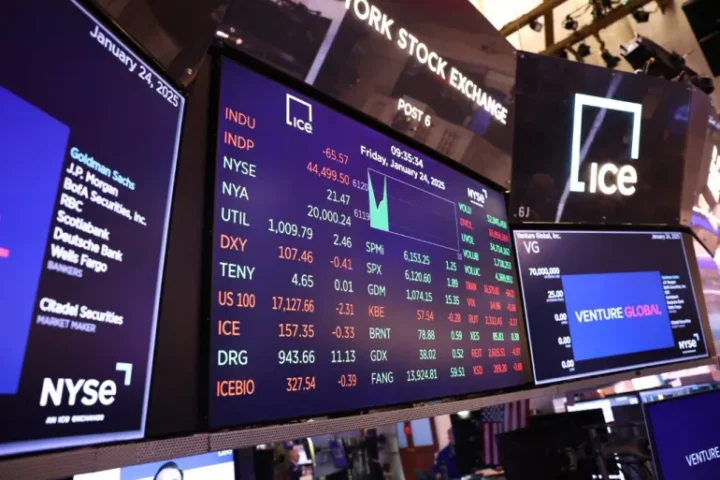
The S&P 500 (SPX) slid approximately 1.1% on the day of the report, finishing near 7,719 as investors digested the hotter-than-expected number.
Energy prices were the primary driver of the increase, with gasoline alone surging 9.1% in September, accounting for more than half of the month’s total inflation gain.
Stripping out food and energy, so-called core inflation came in at a more modest 2.6% year-over-year, suggesting underlying price pressures remain relatively contained.
Despite the unsettling headline figure, historical data indicates that elevated inflation readings have not typically derailed long-term S&P 500 performance in a dramatic fashion.
A review of monthly inflation data since 1950, paired against the S&P 500’s price change over the following 12 months, reveals a clear but nuanced pattern for investors to consider.
Of the 908 months with a full year of available results, 337 recorded inflation at 3.5% or above, representing more than a third of all observations in the dataset.
Following those high-inflation months, the S&P 500 rose in approximately 69% of cases over the next year, with an average price gain of roughly 7%, dividends not included.
By contrast, after the 480 months where inflation stayed below 3%, the index climbed higher about 79% of the time, with an average gain of around 11% over the subsequent year.
The data makes clear that hot inflation readings have historically meant smaller market gains, not outright losses, which may offer some reassurance to nervous index fund holders.
Investors who focus purely on short-term inflation prints risk missing the broader picture, as the S&P 500 has demonstrated resilience across a wide range of economic conditions over decades.
For long-term holders of broad market index funds, a single elevated CPI report is unlikely on its own to signal a compelling reason to abandon equity exposure entirely.