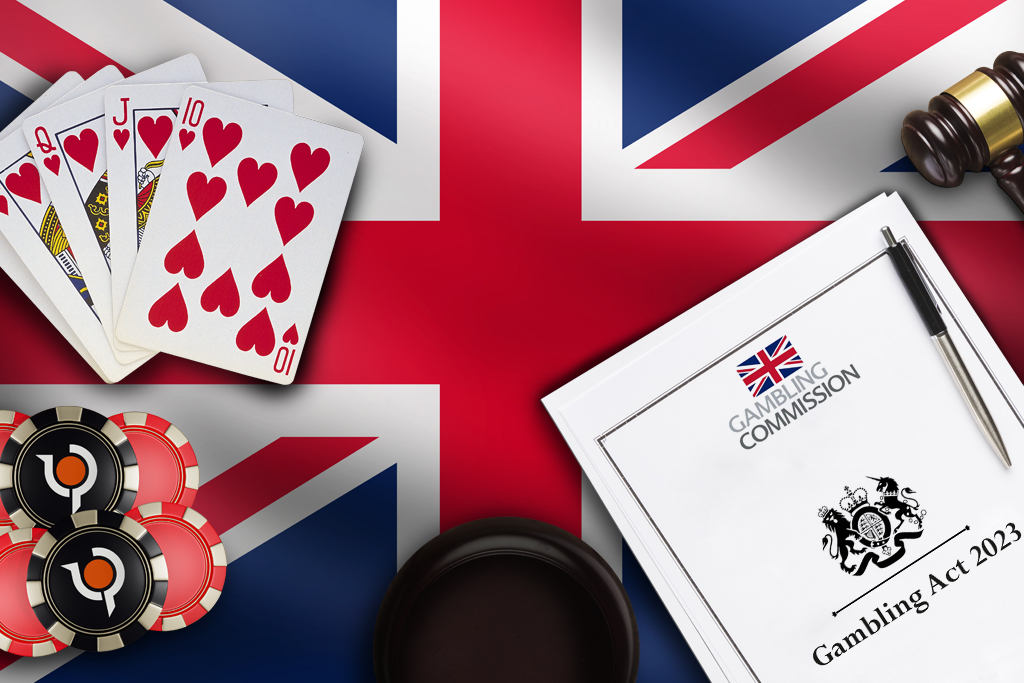
For years, the UK online gambling market was defined by growth and heavy competition for customers. In 2026, the focus has shifted to something less glamorous: the tax bill. The Autumn Budget in November 2025 announced the biggest overhaul of remote gambling duties in a generation, and operators are now working out what it means for pricing, products and profits.
The change touches every licensed business serving British customers, from large listed groups to smaller brands such as BetWright, a Gambling Commission-licensed operator offering online casino. Here is what changed, why it matters and how operators have been responding.
What Changed
The government dropped an earlier idea of a single tax for all remote gambling and chose a differentiated system instead. According to the House of Commons Library, three measures were legislated in the Finance Act 2026:
- Remote Gaming Duty rose from 21% to 40% on 1 April 2026. It applies to online casino games, slots and bingo.
- A new remote betting rate of 25% starts on 1 April 2027, replacing the current 15% for online sports betting. Remote horse racing bets stay at 15%, and spread bets, pool bets and self-service betting terminals are also excluded.
- Bingo duty, previously 10%, was abolished from April 2026.
The Treasury’s aim was to raise more than £1 billion a year, and the physical casino duty rates were frozen for 2026/27.
Why Casino Was Hit Hardest
The two rates reflect a clear policy distinction. Online casino and slots now face the heaviest rate of any gambling product, almost double what it was, while sports betting faces a smaller rise a year later. The gap suggests the government sees casino-style products as higher risk and has taxed them accordingly.
For operators with a casino-heavy mix, the timing matters. The increase took effect immediately at the start of the financial year, while the betting change gives sportsbook-focused businesses a further year to prepare.
The Margin Maths
The duty is charged on gross gaming yield (GGY), which is the amount staked minus the winnings paid out. It is charged before an operator pays for marketing, technology, staff, licensing and compliance.
A simple illustration shows the effect. If a casino operator earns £100 of GGY, it previously paid £21 in duty and kept £79 to cover all its other costs. At 40%, duty is £40, leaving £60. Everything else being equal, that is a quarter less money available to run the business, which is why analysts have described the change as a fundamental reset of the sector’s economics.
How Operators Are Likely to Respond
There is no single playbook, but the available levers are clear:
- Promotional spend. Bonuses and free spins are a major cost, so operators are reviewing how generous and how targeted they can afford to be.
- Marketing efficiency. Customer acquisition costs, including affiliate partnerships and sponsorship, face closer scrutiny when margins are tighter.
- Product mix. Operators may rebalance between casino, live casino and sportsbook depending on how each product’s economics look after tax.
- Scale and consolidation. Larger groups can spread fixed costs across more customers, which tends to favour bigger players and could accelerate mergers among smaller ones.
- Cost control. Technology, support and operations are all candidates for efficiency programmes as well as potential job cuts to try and bring costs down.
Which of these operators choose will depend on their size, product mix and customer base and the first full results will emerge through reporting over the coming months.
The Black-Market Question
Industry groups have warned that higher taxes could push some customers towards unlicensed offshore sites, which pay no UK duty and offer none of the safer gambling protections of the regulated market. The government has acknowledged the concern and, according to law firm Mishcon de Reya, allocated an additional £26 million over three years to the Gambling Commission to tackle illegal operators.
How effective that funding proves will be an important test of whether the reforms actually raise revenue without weakening the regulated sector.
A Cumulative Burden
The tax change also comes on top of other measures. A statutory gambling levy replaced voluntary contributions to research and treatment in 2025, and stake limits on online slots have been introduced, with different caps for younger adults. Taken together, they make the UK one of the most heavily regulated and taxed online markets in the world.
For operators, the strategic question is no longer just how to grow, but how to grow profitably under tighter rules.
What to Watch Next
Three things will shape the next phase: how operators report the impact of the 40% rate in their results, how the market prepares for the 25% betting rate in April 2027, and whether regulated operators stay focused on the UK or if they choose more tax friendly alternatives. Each will show how well the sector adapts and how the new measures have shaped the new fiscal reality.
Gambling should be fun, not a way to make money. 18+ only. Gamble responsibly and visit BeGambleAware.org for free support and advice.