A luxury watch retailer might seem an unlikely winner when precious metal prices crater, but the case for Watches of Switzerland is more straightforward than it first appears.
Gold tumbled more than 3% on November 18, briefly sliding below $3,720 an ounce and touching its lowest point in 14 months amid a broad repricing across financial markets.
The sell-off has been largely attributed to growing market expectations of further interest rate hikes in major economies around the world, which tend to diminish gold’s appeal as a non-income-producing asset.
With elevated energy prices keeping inflation sticky, borrowing costs are expected to remain high for at least another year, leaving gold under sustained pressure for much of 2027.
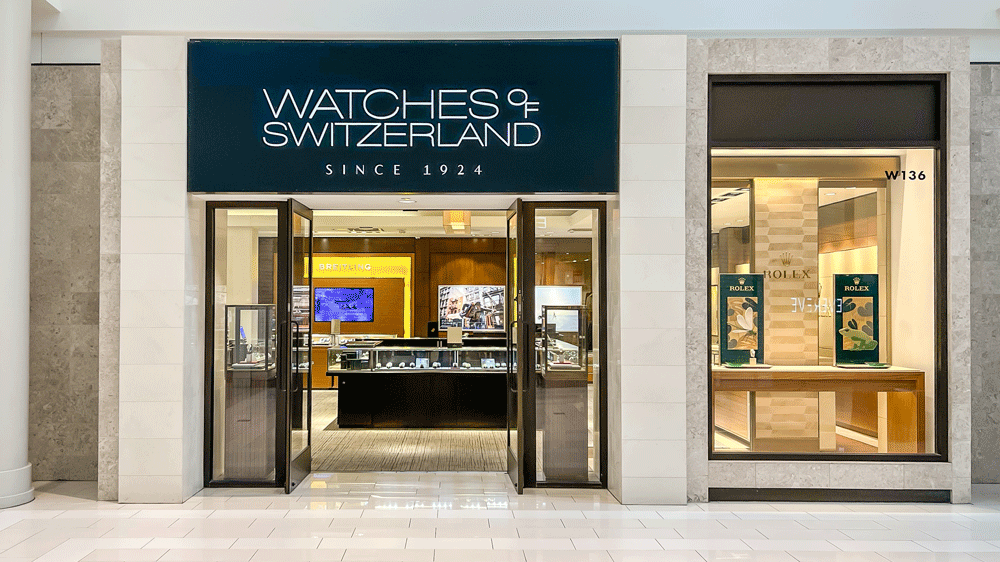
For Watches of Switzerland (LSE: WOSG), those falling prices could translate into meaningful tailwinds across its retail portfolio, which spans numerous brands that rely on gold and precious metals in their products.
Because gold is a core input in luxury watch and jewellery manufacturing, prolonged price weakness gives producers room to moderate future retail price increases, easing affordability pressures on buyers at the entry-level luxury segment.
Lower gold prices also drag down the value of pre-owned watches that contain precious metals, which can redirect buyers toward new inventory and drive higher volumes through authorised retailers like Watches of Switzerland.
The company does not manufacture the products it sells, but as a retailer it stands to benefit from the downstream effects of cheaper inputs and a more price-competitive secondary market stimulating fresh demand.
Crucially, the business does not need gold to keep falling to justify its current trajectory, given that its latest trading update reported first-half revenue of £974m, a 15% increase on the prior year.
The US operation was the standout performer, delivering 22% revenue growth at constant currency, while UK sales rose 9%, indicating domestic demand is regaining momentum after a difficult stretch.
Luxury jewellery revenue climbed 19% during the same period, outpacing the broader business and suggesting the company is capturing wallet share beyond its core watch categories.
The share price has already climbed 77% over the past year, and a continued softening in gold prices could provide an additional catalyst on top of already improving fundamentals.
Risks remain real, however, particularly around consumer sensitivity to economic uncertainty, as any recession fears that contributed to gold’s decline could equally dampen appetite for high-end purchases.
There is also notable concentration risk tied to key brand relationships, especially with Rolex, where any shift in product allocations or wholesale pricing terms could weigh directly on profitability.
Balancing those concerns against the financial momentum and a potential gold-price tailwind, the risk-reward profile for WOSG looks increasingly compelling heading into the second half of the trading year.