A widening performance gap inside the European luxury industry is setting up 2027 as a year where picking the right individual stock will matter far more than riding sector momentum.
That is the central argument from UBS in its 2027 outlook for luxury, which identifies a deepening split between brands gaining ground and those falling behind.
The sector is entering its fourth consecutive year of slowdown, yet UBS analyst Zuzanna Pusz argues the underlying demand story remains intact rather than structurally impaired.
“Luxury isn’t broken, but the sector trade may be,” Pusz wrote, pointing to signs of selective consumer spending that rewards authenticity over hype.
She elaborated on where that spending is actually flowing, noting that “double-digit jewellery growth, accelerating watches and improving momentum at Chanel, Burberry, Brunello Cucinelli and Zegna show consumers will spend where product offers authenticity, quality and compelling perceived value.”
Part of the sector’s pain, UBS argues, has been brought on by the brands themselves, with some players leaning too hard on price increases, high-profile collaborations, and manufactured buzz rather than genuine product innovation.
That self-inflicted weakness is most visible in soft luxury, where the gap between sector leaders and laggards is already pronounced and expected to widen further through next year.
UBS forecasts average organic sales growth of 4% across the sector in 2027, a modest improvement from an anticipated 3.5% in 2026, but the headline number obscures dramatic differences between individual companies.
Richemont (CFR.SW) is projected to deliver 10% growth against just 2% for LVMH, while Brunello Cucinelli is seen hitting 10% compared with just 1% for Salvatore Ferragamo.
Against that backdrop, Pusz concluded that “2027 increasingly as a stock-picker’s market, where product, brand momentum and execution matter more than the sector trade.”
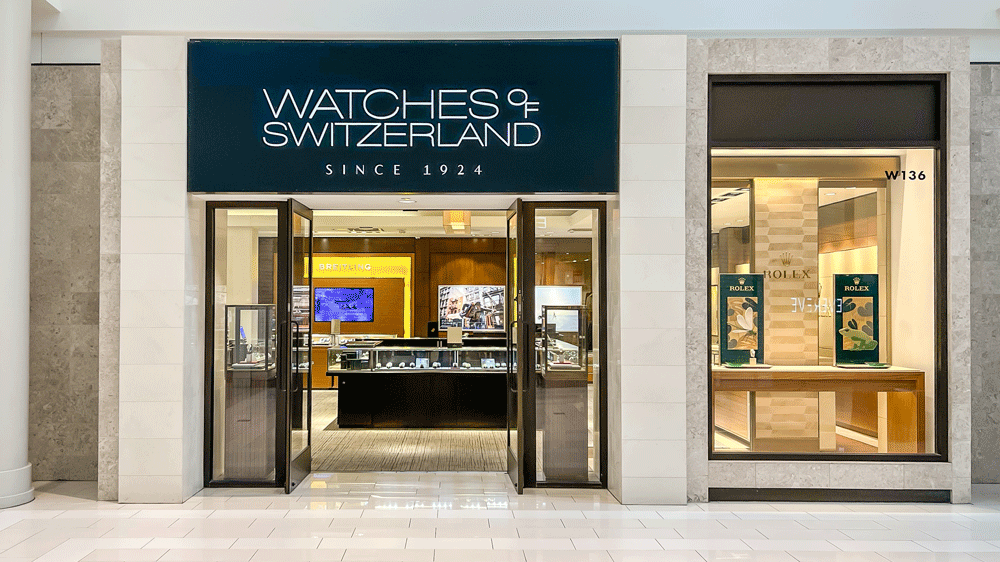
UBS named Richemont, Watches of Switzerland Group (WOSG.L), and Ferrari (RACE) as its three top picks heading into the year, each supported by hard-luxury strength, continued global wealth creation, and resilient spending from high-end consumers.
Ferrari and Richemont in particular benefit from what UBS characterises as strong hard-luxury momentum, a category that has outperformed the broader sector during the current slowdown.
Zegna also carries a Buy rating from the bank, adding a fourth name for investors looking beyond the headline trio for exposure to the improving-momentum theme Pusz identified.
Not every luxury name earns the bank’s confidence, however, with Hermes rated Sell as UBS flags company-specific headwinds and decelerating momentum that set it apart from the sector’s stronger performers.
The overall picture UBS is painting is one where broad bets on European luxury as a group are likely to disappoint, while targeted positions in the right names could deliver meaningfully differentiated returns in the year ahead.