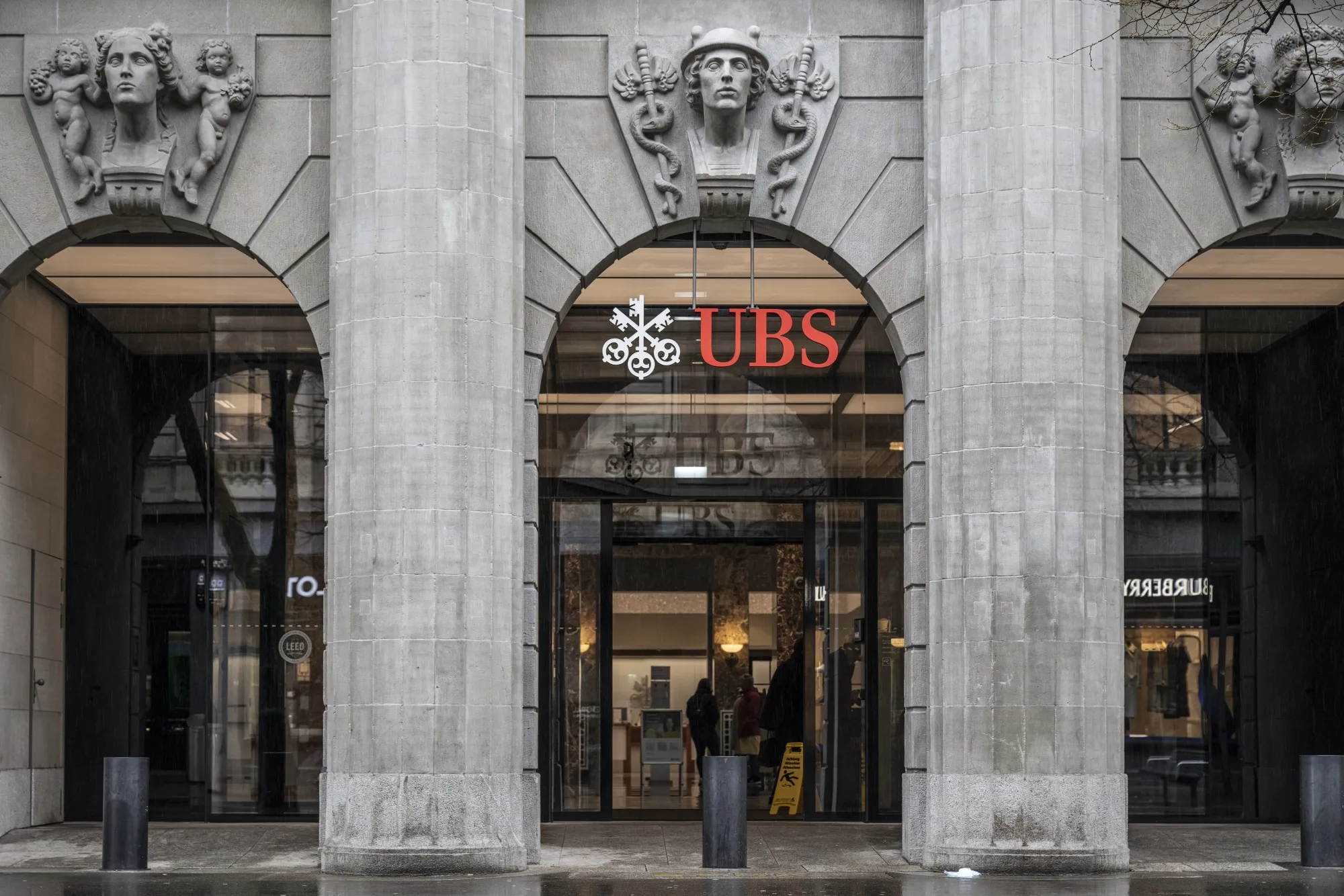
A Bermuda-based insurance subsidiary now owned by UBS has lost its final attempt to overturn a significant damages ruling tied to one of the most notorious internal fraud scandals in modern banking.
The Privy Council in London dismissed almost all arguments raised by Credit Suisse Life (Bermuda) Ltd., leaving in place a major liability finding connected to losses suffered by Georgian billionaire and political figure Bidzina Ivanishvili.
The council did order a limited recalculation of the more than $600 million award originally issued, but the core of the ruling remains intact.
This decision marks the end of years of litigation spanning several countries over losses caused by former Credit Suisse banker Patrice Lescaudron.
Lescaudron ran an elaborate fraud for nearly a decade before the scheme collapsed in 2015.
He was convicted in Switzerland in 2018 for forging signatures and stealing from clients to conceal other portfolio deficiencies.
Multiple Court Decisions Across Jurisdictions
The case heard in Bermuda focused on two life insurance policies that Ivanishvili funded with approximately $750 million in 2011 and 2012.
These assets were kept distinct from his other Credit Suisse holdings.
In 2022, Bermuda’s chief justice ruled that Credit Suisse Life had failed to properly supervise Lescaudron and had effectively ignored warning signs, ultimately awarding $607 million in damages.
In 2023, Singapore’s International Commercial Court issued its own judgment requiring Credit Suisse Trust to pay $461 million after determining the bank did not act in good faith and failed to adequately shield Ivanishvili’s assets from Lescaudron.
That court later adjusted its figure downward to ensure no duplication with the Bermuda award.
The rulings formed part of a broader wave of legal fallout inherited by UBS following its 2023 rescue takeover of Credit Suisse.
Earlier this year, UBS paid roughly $300 million to settle mortgage-related obligations linked to its former rival.
The bank still faces unresolved matters tied to other Credit Suisse-era issues, including the 2021 collapse of Archegos Capital Management.
Bloomberg Intelligence estimates that remaining cases could reach around $500 million.
Privy Council Alters Timeline for Damages
Credit Suisse Life argued that Bermuda courts had applied an overly broad timeframe for the calculation of losses.
The Privy Council agreed with the insurer on one narrow point, ruling that damages should be assessed from the time the life policies began, not from when assets were later transferred.
The ruling did not specify the precise revised amount.
UBS has already placed the necessary funds in an interest-bearing escrow account as part of its broader strategy to resolve inherited legal liabilities.
A spokesperson for UBS told Bloomberg that the bank acknowledged the decision but offered no further comment.
Fraud Discovery and Oversight Failures
The fraudulent scheme came to light in 2015 when two Credit Suisse executives informed Ivanishvili’s advisers that Lescaudron had been hospitalized and that they had uncovered a major shortfall triggered by a margin call.
An internal audit later revealed that a portfolio reported at $1.2 billion was actually valued at just $440 million.
Throughout Lescaudron’s criminal case, Credit Suisse maintained that the banker acted alone and that senior staff were unaware.
However, judges in both Bermuda and Singapore rejected that argument, finding systemic oversight failures and inadequate internal controls.
These revelations were among several scandals that eroded investor confidence in Credit Suisse in the years leading up to its collapse and emergency takeover.
While the Privy Council ruling closes one chapter of the litigation, the timing and mechanics of the payout remain complicated by sanctions against Ivanishvili and geopolitical factors that may affect the transfer of funds.