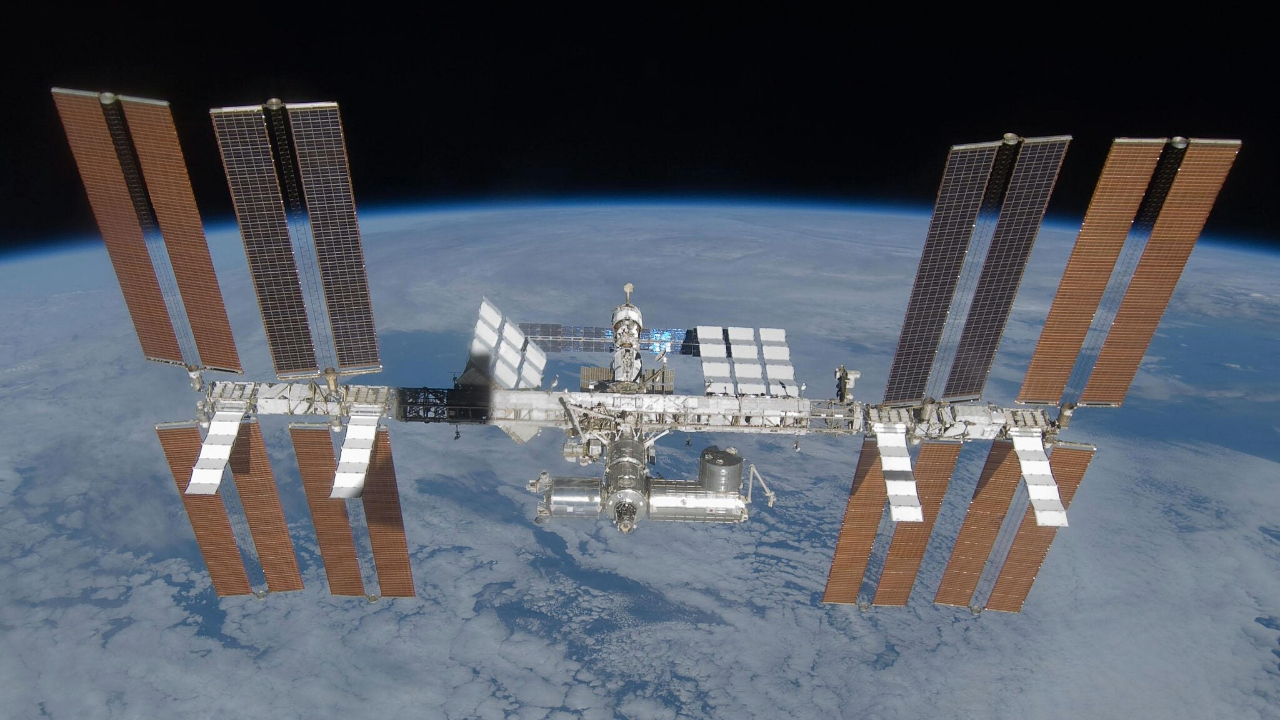
As the world continues to grapple with climate change and the need for sustainable energy, scientists and engineers are turning their eyes skyward. Solar electricity in space, once the stuff of science fiction, is now emerging as a serious contender for the next generation of energy production. With advances in technology and growing interest from both governments and private companies, the concept of harvesting solar power beyond Earth’s atmosphere is gaining traction.
The Concept of Space-Based Solar Power
Space-based solar power (SBSP) involves placing solar panels in orbit around the Earth to capture sunlight, converting it into electricity, and transmitting that energy back to the planet. Unlike terrestrial solar panels, space-based systems can collect solar energy continuously, without being affected by night cycles, clouds, or weather conditions.
The idea dates back to the 1960s, when NASA and other research institutions began exploring ways to harness solar power in orbit. Early proposals involved giant satellites equipped with solar arrays that would beam energy to Earth using microwave or laser transmission. While technically feasible, the cost and complexity of launching and maintaining such systems remained prohibitive for decades.
Technological Advances Making Space Solar Possible
Recent advances in materials science, satellite technology, and energy transmission have reignited interest in SBSP. Lightweight, flexible solar panels and improvements in energy beaming technology have made it more practical to construct large orbital solar farms.
Companies like SpaceX and Blue Origin, alongside agencies such as NASA and the European Space Agency, are investing in technologies that could make orbital solar energy more affordable. The development of reusable rockets, in particular, has drastically reduced the cost of launching payloads into orbit, making the construction of space-based solar platforms more economically viable.
Energy transmission technology has also seen significant progress. High-efficiency microwave and laser systems can send power from space to Earth with minimal loss, allowing for continuous energy delivery. Scientists are also exploring methods to store excess energy in orbit or on Earth, ensuring a stable supply regardless of demand.
Potential Benefits of Space-Based Solar Power
The benefits of solar electricity in space are substantial. Unlike conventional solar panels, orbital systems can capture sunlight 24/7, generating up to ten times more energy than their Earth-based counterparts. This could provide a near-limitless supply of clean energy, significantly reducing reliance on fossil fuels.
Space-based solar power could also play a critical role in disaster relief or remote locations. By transmitting energy directly to areas in need, these systems could provide electricity to regions without access to conventional grids, improving resilience and energy security worldwide.
- Continuous energy generation without weather or day-night limitations
- Reduction in greenhouse gas emissions by replacing fossil fuels
- Potential to power remote or disaster-stricken areas
Challenges and Concerns
Despite its promise, SBSP faces several significant challenges. Launching and assembling large solar satellites is still expensive, and the technology required to transmit energy safely and efficiently remains under development. Ensuring that high-powered microwaves or lasers do not pose a risk to people, wildlife, or aircraft is a key safety concern.
There are also geopolitical and regulatory hurdles. Countries will need to cooperate on orbital space use, satellite placement, and energy transmission protocols to avoid conflicts and interference. The long-term maintenance of orbital solar arrays, including shielding them from space debris and radiation, is another challenge that researchers are actively working to solve.
Looking Ahead
Despite these obstacles, the momentum behind space-based solar power is growing. Pilot projects and small-scale orbital experiments are already underway, with several governments and private companies aiming to demonstrate the feasibility of transmitting energy from orbit in the coming decade.
Experts predict that while large-scale deployment may still be decades away, SBSP could eventually become a vital part of the global energy mix. As renewable energy technologies continue to evolve, solar electricity in space represents a bold and potentially transformative step toward a sustainable future.
- Pilot projects are being tested for microwave and laser energy transmission
- Collaboration between private companies and governments is key
- SBSP could complement terrestrial renewable energy systems
The vision of satellites beaming clean, limitless energy down to Earth may soon move from imagination to reality, offering hope for a world less dependent on fossil fuels and more resilient in the face of climate change.