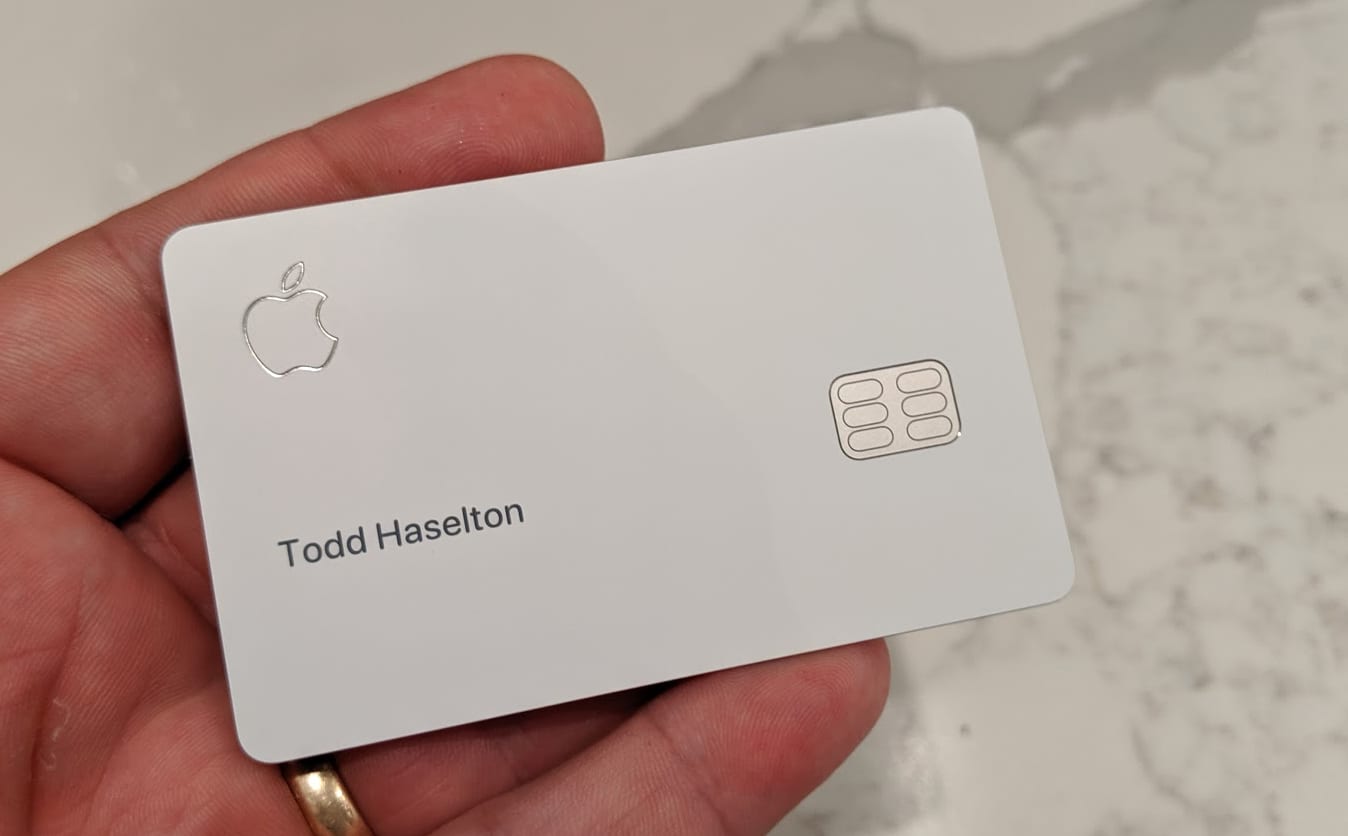
JPMorgan Chase has reached an agreement to take over the Apple credit card business from Goldman Sachs, marking a major shift in one of the most high-profile partnerships in consumer finance.
The deal, announced in separate statements by both banks, follows more than a year of negotiations and will see JPMorgan assume responsibility for a portfolio exceeding $20 billion in card loans.
The transaction represents a significant expansion for JPMorgan, which is already the largest credit card issuer in the United States by purchase volume.
For Goldman Sachs, the agreement closes the door on a consumer banking push that began with considerable ambition but later proved costly and complex.
JPMorgan said the deal is expected to take roughly 24 months to complete and will involve a $2.2 billion provision for credit losses.
The bank said it plans to record that charge when it reports fourth-quarter 2025 earnings.
Despite the change in issuer, customers will continue to use the existing Apple Card with its current benefits intact.
The card will also remain on Mastercard’s network, ensuring continuity for millions of users.
Apple And JPMorgan Strengthen Ties
Apple framed the transition as a continuation of its focus on innovation and customer experience.
“Chase shares our commitment to innovation and delivering products and services that enhance consumers’ lives,” said Jennifer Bailey, Apple’s vice president of Apple Pay and Apple Wallet.
“We look forward to working together to continue to provide a best-in-class experience.”
The agreement further deepens JPMorgan’s relationship with one of the world’s most influential technology companies.
That association is expected to reinforce JPMorgan’s standing as a dominant force in U.S. retail banking and payments.
Even before the Apple Card deal, the bank already led the industry in card spending volume and customer reach.
Goldman’s Exit From Consumer Credit
Goldman Sachs launched the Apple Card in 2019 after winning the business over several competing banks.
The move was seen as a bold step into mass-market consumer finance under CEO David Solomon.
However, mounting losses and operational challenges led Goldman Sachs to scale back its consumer ambitions beginning in 2022.
“This transaction substantially completes the narrowing of our focus in our consumer business,” Solomon said in Goldman’s statement.
“We look forward to continuing to support our customers during the transition to a new issuer as we focus on advancing the strategy we laid out for our core franchises.”
Goldman said the deal will add 46 cents per share to its earnings when it reports results next week.
The sale allows the bank to redirect resources toward its traditional strengths in investment banking, trading, and asset management.
Negotiations And Concessions
Earlier this year, reports indicated that JPMorgan had emerged as the final bidder after other potential partners stepped away.
American Express, Synchrony, and Barclays were all said to have exited talks before negotiations reached an advanced stage.
People familiar with the process said JPMorgan insisted on concessions from both Apple and Goldman before agreeing to proceed.
Those concessions appear to have included a significant discount on the loan portfolio.
According to a person familiar with the transaction, JPMorgan is acquiring the Apple Card business at a discount exceeding $1 billion.
The portfolio includes a higher proportion of subprime and lower-credit borrowers than JPMorgan typically targets.
Sources have said Apple initially pushed for broader access to ensure the card was available to as many iPhone users as possible.
What Comes Next
In addition to the credit card, JPMorgan is expected to offer an Apple-branded savings account as part of a broader financial bundle.
That move would further integrate banking services into Apple’s ecosystem.
For JPMorgan, the deal underscores its willingness to absorb scale and complexity in exchange for long-term growth.
For Goldman, it marks the end of a challenging chapter and a renewed focus on core businesses.