Consumer Price Index data for June shows inflation fell sharply, dropping 0.4% from May in the largest month-over-month decline since April 2020.
The annual inflation rate came in at 3.5%, down significantly from the 4.2% reading recorded the prior month, beating Wall Street expectations on both measures.
Economists had forecast a more modest monthly drop of 0.2% and projected the annual rate to settle at 3.8%, making the report a meaningful upside surprise for markets.
Despite the encouraging data, inflation remains well above the Federal Reserve’s long-standing target of 2%, leaving policymakers with more work to do.
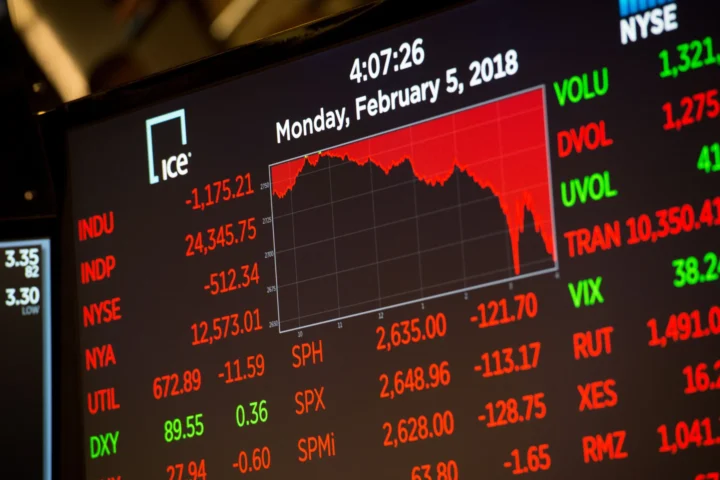
The S&P 500 (SNPINDEX: ^GSPC) gained 0.42% and the Nasdaq Composite climbed 1.00% as of 2:50 p.m. Tuesday, with investors responding positively to the cooler-than-expected reading.
Energy prices were the dominant driver of the decline, with gasoline falling 10% and fuel oil dropping 9% from May, pushing the overall energy category down 5.7% for the month.
The energy category had previously surged after the Iran war sent oil prices soaring, so the recent pullback in crude has had an outsized impact on headline inflation figures.
Core inflation, which strips out volatile food and energy prices, was flat on the month against expectations of a 0.2% rise, bringing the annual core rate down to 2.6% from 2.9% in May.
New Fed Chair Kevin Warsh used his first congressional testimony before the House Financial Services Committee to temper any optimism the strong report might generate among investors.
“There might be some that look at this morning’s data and say, ‘Oh, mission accomplished, everything is swell.’ That is not my view,” Warsh told lawmakers directly.
Warsh said rising prices had placed an “undue burden” on American households and businesses, and reaffirmed his commitment to returning inflation to the Fed’s 2% target.
He indicated openness to using both interest rates and the Fed’s balance sheet as tools in that effort, signaling a broad approach to managing monetary policy going forward.
Warsh also outlined changes to how the Fed communicates with the public, including phasing out forward guidance, the practice of signaling in advance where interest rates are likely headed.
The central question now facing markets and policymakers is how much of the current inflation trend is transitory, driven by energy price swings rather than deeper structural pressures.
If oil prices continue to retreat, the Fed may have reason to hold rates steady and allow inflation to cool on its own without additional tightening measures.
However, if conflict in Iran escalates and pushes energy costs higher again, the progress recorded in June could quickly reverse, complicating the Fed’s path forward considerably.