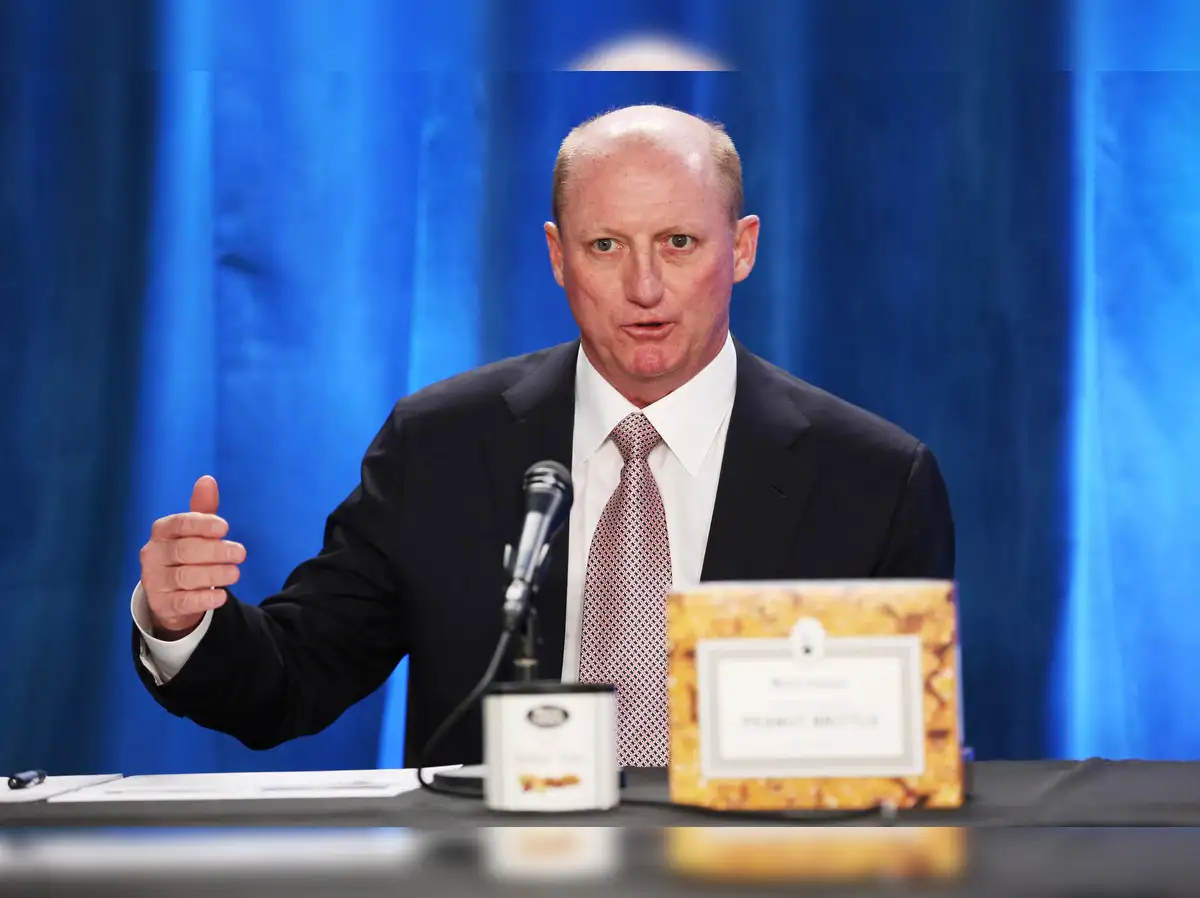
Under new CEO Greg Abel, Berkshire Hathaway (NYSE: BRKA)(NYSE: BRKB) has wasted little time signaling where it sees long-term value outside the United States.
Filings with Japanese regulators confirmed that Berkshire raised its stakes in three of Japan’s major trading houses during the second quarter of 2026.
Berkshire’s stake in Mitsubishi (OTC: MSBHF) climbed to 11.1% as of April 30, while its position in Sumitomo (OTC: SSUMY) reached 10.3% as of May 12, up from 9.3%.
Marubeni (OTC: MARUY) was also part of the buying activity, with Berkshire’s ownership crossing above 10% in that company as well.
The purchases make Berkshire the largest shareholder of both Sumitomo and Marubeni, cementing its dominance among foreign investors in Japan’s trading house sector.
These three companies are among five so-called sogo shosha — Japanese trading conglomerates — that Berkshire began accumulating in 2019 under chairman Warren Buffett, with Itochu and Mitsui rounding out the group.
At the end of 2025, Berkshire’s five trading house stakes had cost a combined $15.4 billion and were worth $35.4 billion, representing extraordinary appreciation on the original investments.
The five companies paid Berkshire a combined $862 million in dividends last year, working out to a yield of roughly 5.6% on the conglomerate’s original cost basis.
Mitsubishi remains Berkshire’s largest Japanese position, with a stake that cost $4.2 billion and was worth $9.2 billion at year-end 2025, while also delivering $273 million in dividends last year.
Marubeni has been the standout performer of the group, with a stake costing roughly $1.6 billion that had grown to approximately $4.5 billion by the end of 2025, nearly tripling in value.
Sumitomo’s position cost $1.9 billion and stood at $4.0 billion at the close of 2025, generating $102 million in dividends and gaining a full percentage point of ownership in the most recent filing.
The funding structure behind these investments makes the economics even more compelling, with Berkshire borrowing yen at an average interest cost of just 1.2% to finance the positions.
Berkshire issued another 272.3 billion yen of senior notes in April, signaling that the yen-funded investment strategy remains very much active under Abel’s leadership.
Buffett originally agreed to keep Berkshire’s ownership of each company below 10%, but relaxed that ceiling after the five trading houses agreed to moderately lift the cap, as he noted in his February 2025 shareholder letter.
“I expect that Greg and his eventual successors will be holding this Japanese position for many decades,” Buffett wrote in that letter, underscoring the multi-generational intent behind the strategy.
In his first annual letter as CEO, Abel elevated the positions further, writing that Berkshire views its Japanese investments as “comparable to our major U.S. holdings in importance and long-term value creation opportunity.”
Abel’s early moves as CEO have been notable for their discipline, favouring profitable conglomerates bought at reasonable prices, funded with cheap fixed-rate debt, rather than chasing high-profile acquisitions or artificial intelligence trends.
For Berkshire shareholders, the continued buying represents a clear endorsement of a strategy that has already generated tens of billions of dollars in paper gains since 2019.