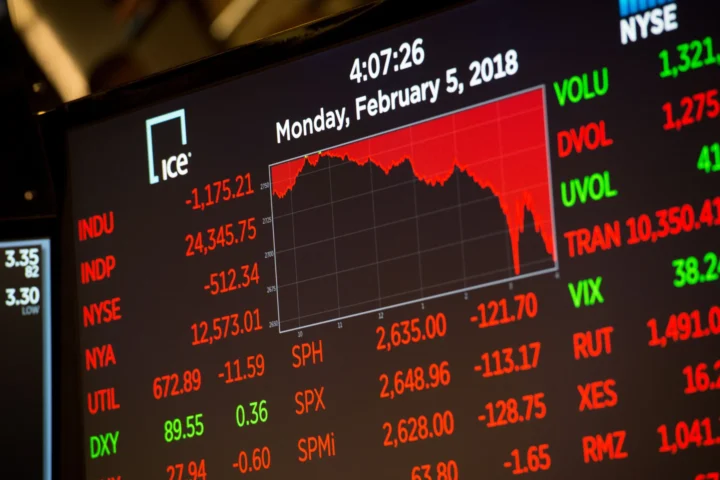
As of August 4, President Donald Trump has imposed tariffs on 60 trading partners, citing inadequate enforcement of bans on goods produced by forced labor.
Tariffs raise the price of imported goods and tend to weaken the U.S. dollar, creating a ripple effect across global supply chains and consumer prices.
Companies that depend on foreign products typically pass increased costs directly to consumers, fueling inflation and widespread investor uncertainty.
With Trump’s continued willingness to press tariffs, investors are now reassessing how these trade decisions affect their portfolios over both the short and long term.
Financial experts broadly advise against knee-jerk reactions, noting that staying invested in a diversified portfolio has historically produced better outcomes than short-term trading.
While current tariffs may negatively impact portions of a portfolio, longer holding periods tend to allow unsettled market phases to average out over time.
Investors holding U.S.-based supply chains, consumer staples, healthcare, or utilities may have actually benefited from tariffs due to reduced competition from international firms.
For those looking to expand beyond core holdings, identifying investments capable of weathering prolonged tariffs or trade wars is a reasonable strategic consideration.
Commodities, including precious metals like gold and silver, energy products, industrial metals, and select agricultural goods, can serve as sensible investments when tariffs are in place.
Commodities tend to benefit from inflationary pressures and supply disruptions and, as real assets, can serve as a hedge against purchasing-power erosion.
Investors seeking commodity exposure with built-in diversification may find that a commodity exchange-traded fund fits their needs without concentrating risk in a single asset.
Bonds represent another port of stability in turbulent markets, as they are generally less sensitive to fluctuations caused by trade policy shifts.
The Vanguard Total Bond Market ETF (NASDAQ: BND), which tracks the Bloomberg U.S. Aggregate Float Adjusted Index, holds more than 11,400 bonds across multiple categories.
Those holdings include U.S. Treasuries, mortgage-backed securities, and investment-grade corporate bonds, offering broad fixed-income exposure within a single fund.
While impulsive or emotionally driven decisions are inadvisable right now, investors already planning to expand their holdings have sound options worth considering carefully.