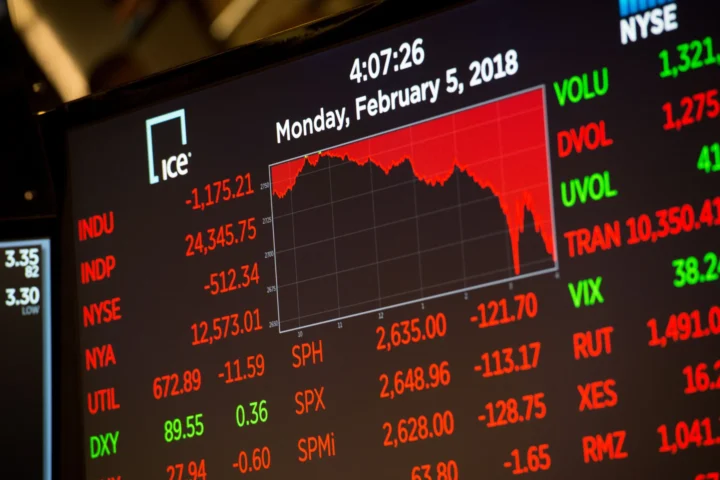
UK equities lost momentum during the latest trading session as widespread weakness across major mining stocks weighed heavily on broader market sentiment.
London’s benchmark index remains closely tied to the fortunes of the resources sector, and that relationship was on full display as commodity-linked shares struggled across the board.
Rio Tinto (LSE:RIO), one of the world’s largest diversified mining groups, was among the stocks attracting significant attention as metals prices moved lower and investor sentiment cooled.
The session underlined how important mining remains to the London market, with declines across major producers proving difficult for the wider market to overcome.
Antofagasta (LSE:ANTO), a major copper producer with operations centred in Chile, remained under particular pressure after reducing its production guidance for the period ahead.
The announcement prompted renewed scrutiny across the copper mining industry and weighed on sentiment towards other diversified miners listed in London.
Anglo American (LSE:AAL), which produces copper, iron ore, platinum group metals and diamonds across international operations, also experienced selling pressure alongside its sector peers.
Glencore (LSE:GLEN), known for combining mining operations with global commodity marketing activities, similarly traded lower as investors reduced exposure across the resources sector.
Fresnillo (LSE:FRES), one of the world’s leading precious metals producers, moved lower amid softer gold prices and weaker sentiment across precious metal miners more broadly.
The broad nature of the decline suggested the market response reflected sector-wide caution rather than isolated company-specific developments affecting individual stocks.
Commodity markets remain particularly sensitive to changing economic expectations, interest rate outlooks and global industrial demand, making mining shares among the first sectors to reflect shifting sentiment.
Financial stocks and technology shares helped offset part of the weakness, preventing an even sharper overall market decline during the session.
This divergence between resources and other sectors illustrates the importance of diversification within equity markets, where weakness in one industry can sometimes be balanced by strength elsewhere.
Copper remains especially important within global commodity markets because of its extensive use in electricity networks, infrastructure projects and clean energy technologies.
Precious metals meanwhile continue responding to shifting monetary policy expectations and broader macroeconomic sentiment, adding another layer of complexity for mining investors to navigate.
Many London-listed mining companies operate internationally, generating revenues from projects across multiple continents while maintaining their primary listings in the UK capital.
Their global reach means developments in overseas commodity markets frequently have a direct influence on UK equity market performance, often regardless of domestic economic conditions.
When metals prices strengthen, mining companies can provide considerable support to London’s benchmark index, while commodity weakness can rapidly turn those same companies into a meaningful market drag.
The latest session once again reinforced this relationship, with mining stocks becoming the defining influence on overall market direction during a cautious end to the trading week.
For London-listed miners, future performance will continue reflecting both operational delivery and broader commodity market trends, keeping production updates and global metals demand firmly in focus for market participants.