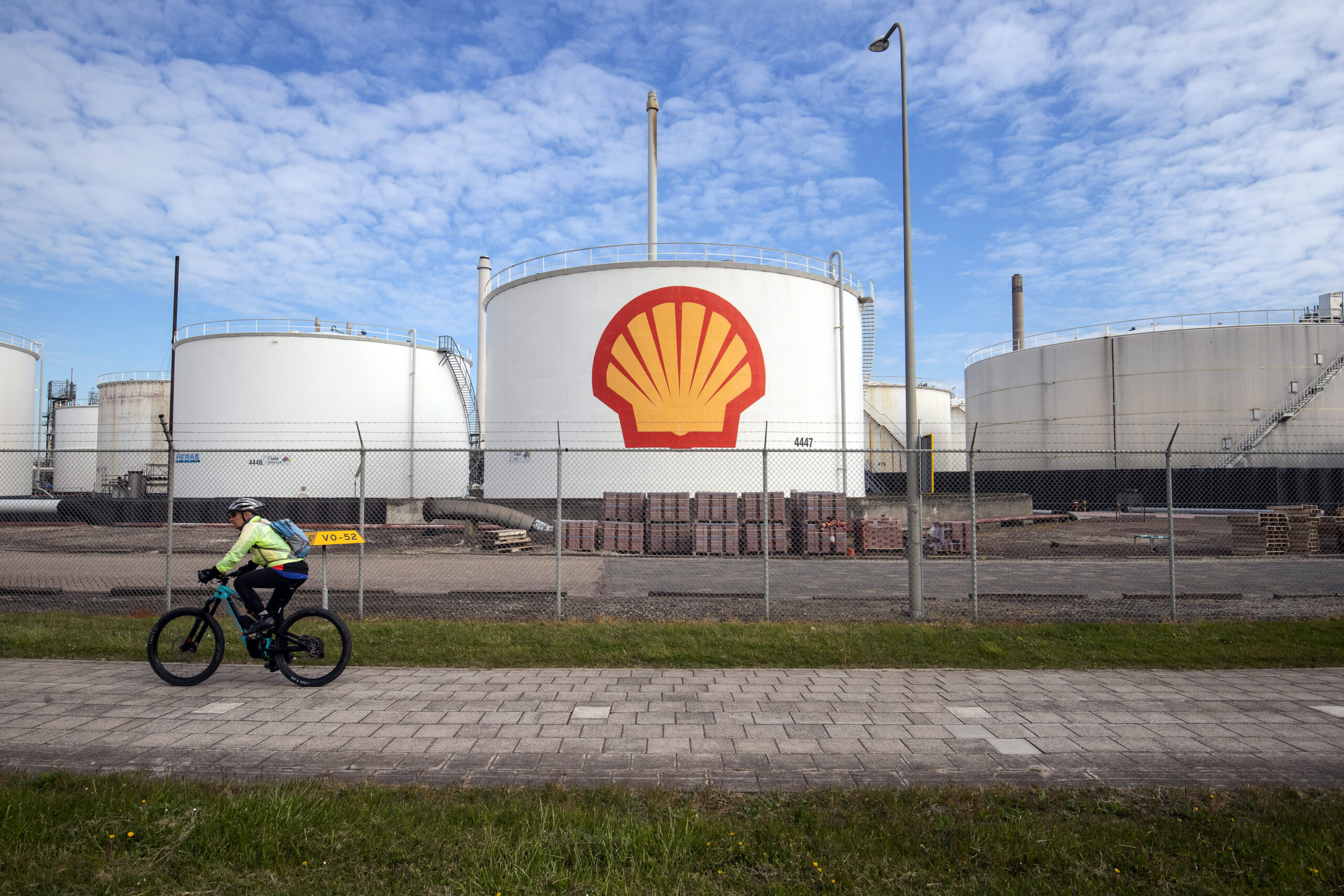
Geopolitical tensions centred on the Strait of Hormuz are quietly building a risk premium into oil markets, raising uncomfortable questions for energy investors in August 2026.
Shell plc (LSE:SHEL) and BP plc (LSE:BP) represent the classic energy value investment profile, combining global operations, stable production, and generous dividend policies that attract income-focused shareholders.
The Strait of Hormuz remains the world’s most critical oil-shipping chokepoint, with roughly one-third of all traded seaborne crude passing through its waters each year.
Geopolitical threats to disrupt or close the strait are not new, but when tensions spike, investors demand a risk premium reflected in elevated oil prices and energy equity valuations.
Value investors face a subtle but important trap: current high dividend yields from energy majors may not adequately compensate for the geopolitical production risks embedded in today’s uncertain oil market.
Shell (LSE:SHEL) and BP (LSE:BP) model their dividend policies against expected oil prices over coming years, meaning any sharp price correction would directly threaten cash generation and payout stability.
If geopolitical tensions ease and the risk premium evaporates, oil prices could normalise lower, squeezing energy company revenues even if underlying production fundamentals remain unchanged.
Conversely, actual disruption of the Strait of Hormuz through military conflict or blockade represents a low-probability but high-impact tail risk that could cause production shortfalls and cascading cash-flow damage.
Investors holding energy stocks for dividend income should explicitly model oil-price sensitivity, testing whether yields remain sustainable if oil prices fall ten or twenty percent from current levels.
Shell (LSE:SHEL) and BP (LSE:BP) operate as globally diversified producers with fields spanning the North Sea, Middle East, Southeast Asia, Africa, and South America, which reduces concentration risk to any single geopolitical region.
Energy companies with meaningful production exposure concentrated in the Middle East, Persian Gulf, or North Africa carry materially higher geopolitical risk than those with diversified output across more stable geographies.
Smart investors must be explicit about their tolerance for geopolitical tail risk before treating elevated energy dividend yields as straightforward value opportunities in the current environment.
Beyond near-term geopolitical volatility, energy stocks also face long-term structural pressure from the global energy transition, as renewable adoption is expected to gradually erode fossil-fuel demand over coming decades.
Shell (LSE:SHEL) and BP (LSE:BP) are investing in renewable capacity, but their dividends remain primarily funded by fossil-fuel operations, which will face secular cash-generation pressure as the transition advances.
Value investors should carefully distinguish between cyclical geopolitical shocks, which energy companies can recover from, and the relentless long-term decline in fossil-fuel demand that energy transition represents for dividend sustainability.