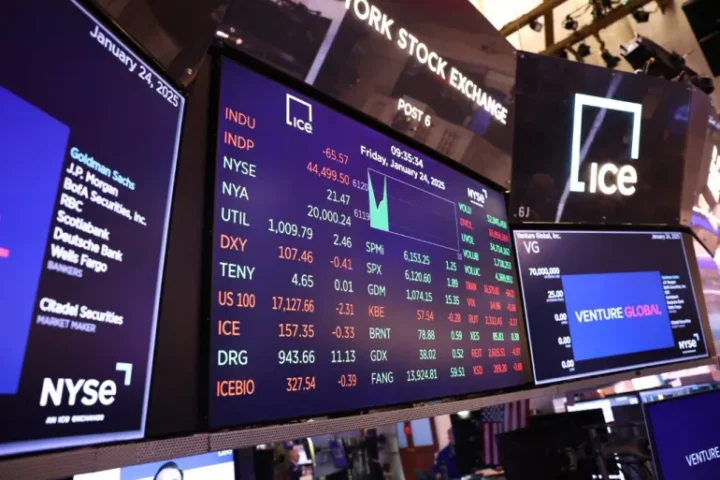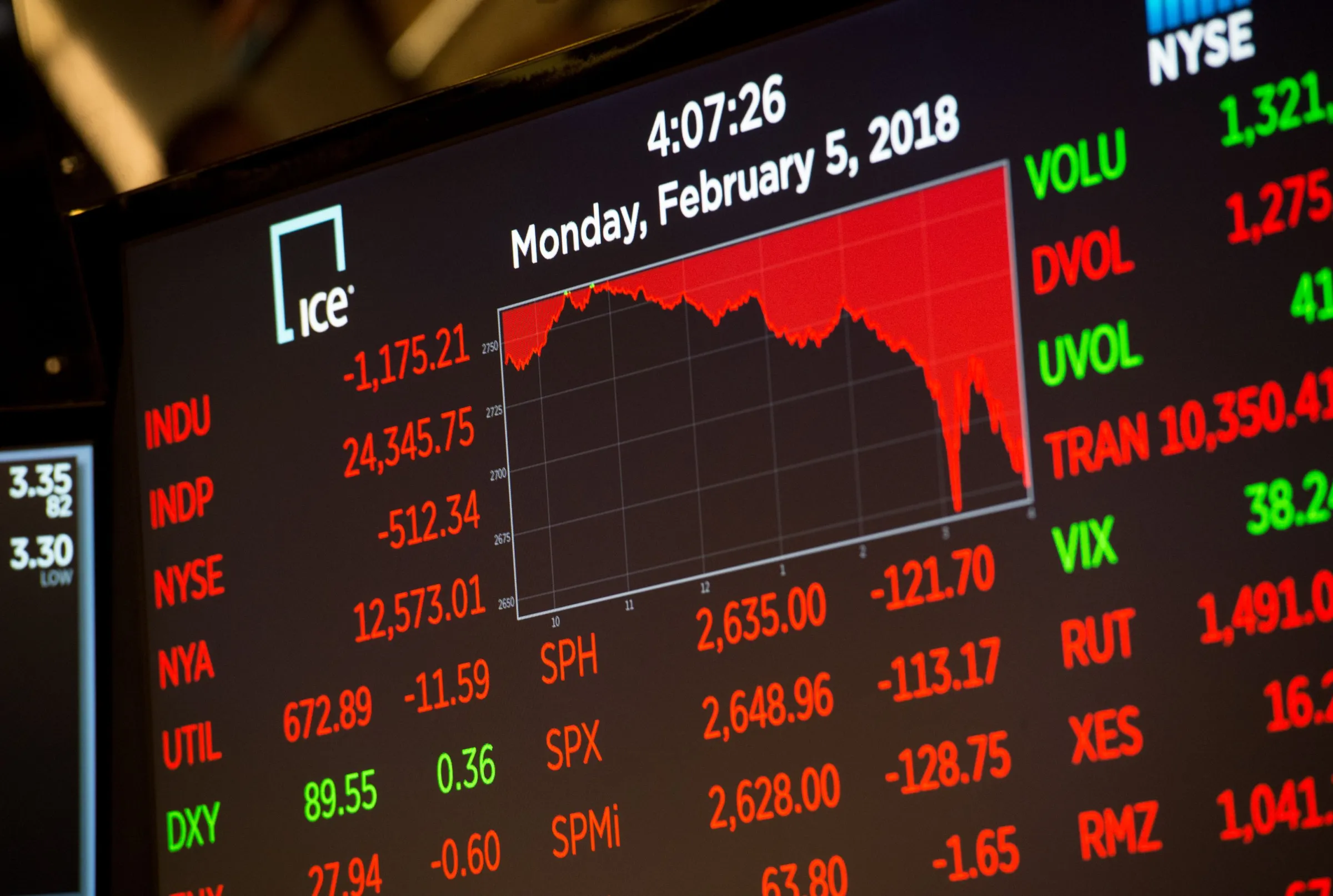
The VictoryShares US Value Momentum ETF (NASDAQ: ULVM) is drawing attention as market valuations reach historically alarming levels heading into late 2026.
The Shiller CAPE ratio, a cyclically adjusted price-to-earnings metric, currently sits at 42.15, matching heights last seen during the dot-com bubble peak of 1999.
With large-cap stocks trading at extreme premiums, many investors are actively seeking defensive strategies that can hold up if markets take a sharp turn lower.
ULVM employs a distinctive dual-factor approach, targeting large-cap stocks that are undervalued by traditional metrics while also demonstrating strong forward price momentum.
The ETF tracks the Nasdaq Victory US Large Cap 500 index, filtering for stocks with elevated exposure to both value and momentum factors across the broader universe.
Each stock’s value score is calculated using factors like price-to-earnings and other valuation ratios, while momentum scores reflect price trends over the prior six and twelve months, adjusted for volatility.
Stocks are then ranked by their combined scores, with the top 25% included in the portfolio, and lower-volatility names receiving higher weightings to reduce overall risk.
The ETF currently holds 124 stocks, with Johnson & Johnson, Berkshire Hathaway, and Realty Income serving as its three largest positions.
Financial sector companies make up 29% of the portfolio, with healthcare and industrials each accounting for 11% of holdings.
The index is rebalanced and reconstituted quarterly, keeping the portfolio aligned with shifting value and momentum signals across the large-cap space.
Performance figures make a compelling case for ULVM, with the fund delivering a total return of 29% over the past 12 months, outpacing the S&P 500 over that period.
Its three- and five-year average annualized returns sit at roughly 13%, broadly in line with the S&P 500 benchmark, despite the bull market being dominated by mega-cap technology names.
The ETF’s real advantage historically surfaces during downturns, when value-oriented strategies tend to outperform growth-heavy benchmarks by a meaningful margin.
In 2022, when the S&P 500 dropped by 19%, ULVM fell only 8%, demonstrating a significant capacity to preserve capital during periods of market stress.
That kind of downside protection, combined with competitive returns during strong markets, makes ULVM a versatile holding regardless of where the broader market heads next.
The fund has been trading since 2017, so it does not yet carry a full 10-year track record, but its performance across multiple market cycles has been consistent and encouraging.
For investors genuinely concerned about elevated valuations and the possibility of a market correction, ULVM offers a rules-based, disciplined framework that removes emotion from portfolio construction.
Whether markets continue climbing or face a sharp reversal, the combination of value discipline and momentum filtering inside ULVM appears well-suited to deliver competitive risk-adjusted returns over time.