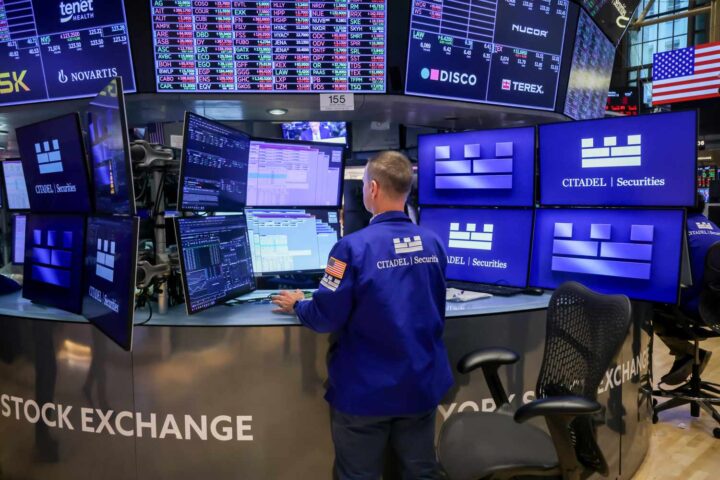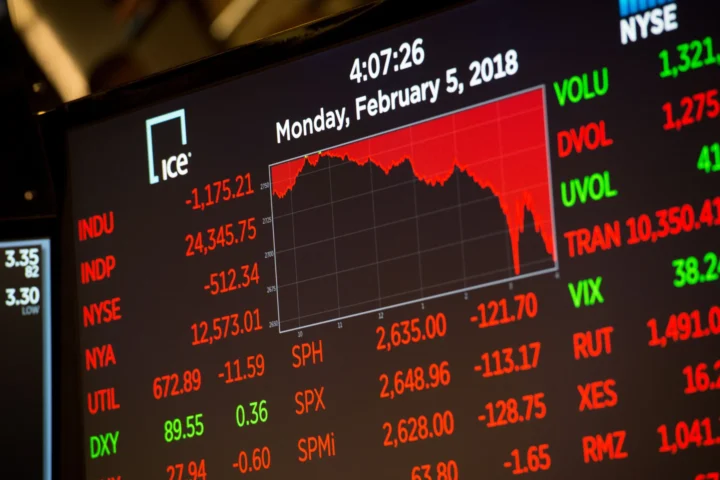
When the words “stock market crash” enter the conversation, many people instinctively recall black-and-white images from 1929, when anxious crowds gathered outside the New York Stock Exchange as bread lines formed.
Not every crash follows the same pattern, and while the worst of the Great Depression lasted for years, other market downturns have been considerably shorter and less damaging to everyday investors.
Whether a crash triggers widespread financial fallout or the Federal Reserve steps in quickly to inject liquidity, both crashes and recoveries are a recurring feature of market history.
Every instinct an investor possesses during a market freefall may scream to sell everything and flee, but history consistently suggests the opposite approach delivers better long-term outcomes.
Rather than liquidating holdings in a panic, staying invested and continuing to buy high-quality, diversified stocks, particularly index funds, is the strategy that tends to protect and grow wealth over time.
Some investors believe they can consistently time exits and reentries into the market, but that claim simply does not hold up against the historical record.
To succeed at timing the market, an investor must be right twice, executing both the exit and the reentry at precisely the right moments under highly uncertain and emotional conditions.
As Warren Buffett has advised, “Be fearful when others are greedy, and be greedy when others are fearful,” a principle that captures the counterintuitive logic of buying during downturns.
The U.S. stock market has experienced numerous crashes of varying severity yet has still managed to deliver an average annual return of roughly 10% over the last century.
Even the 2008 crash, when the S&P 500 index fell by 57%, eventually gave way to a recovery that carried the index to new record highs in the years that followed.
The COVID-19 crash saw the S&P 500 drop 30% in only 22 trading days, making it the fastest decline of that magnitude in history, yet the market rebounded sharply and pushed to record levels.
Investors who remain invested during downturns benefit from lower asset prices, allowing them to purchase more shares of high-quality holdings while they are effectively on sale.
Compound growth does not pause during a market downturn, meaning leaving money invested allows gains to continue compounding even through periods of volatility and uncertainty.
Selling during a crash also locks in what would otherwise be a temporary paper loss, turning an unrealised decline into a permanent one with no opportunity for recovery.
Historically, the largest single-day market gains tend to occur in the period immediately following a crash, meaning investors who sell out risk missing the most powerful days of any rebound.
Standing firm when a crash feels imminent is one of the most difficult and most rewarding decisions a long-term investor can make to build lasting wealth.