Aston Martin Lagonda (LSE: AML) shares have suffered one of the most dramatic collapses in recent FTSE 250 history, leaving investors nursing enormous losses.
The stock currently trades at around 34p, valuing the entire company at just £340 million, a staggering fall from its October 2018 IPO price of £19 per share.
At the time of its public listing, Aston Martin was valued at £4.33 billion, making today’s market cap look almost unrecognisable by comparison.
The share price is down approximately 95% over five years, 60% over the past 12 months, and nearly 20% over the past six months alone.
Revenue has been moving in the wrong direction for several years, falling from £1.63 billion in 2023 to £1.58 billion in 2024 and dropping further to £1.26 billion in 2025.
Net income has been negative throughout that entire period, with losses deepening by 52% in 2025 to reach £493.2 million.
Net debt stood at £1.38 billion at the end of 2025 and accelerated to £1.545 billion by 30 June 2026, adding significant pressure to an already fragile balance sheet.
The company burned through £198 million of free cash in the first half of 2026, though that figure represented a marked improvement on the £321 million consumed during the same period in 2025.
The improvement was largely attributed to scaling up deliveries of the high-margin Valhalla hybrid supercar, with 152 units delivered in 2025 and approximately 500 more expected during 2026.
Almost everything that could go wrong has, including repeated rounds of fresh fundraising, support from chairman Lawrence Stroll, US tariffs, weaker demand, higher costs, and an expensive shift toward electrification.
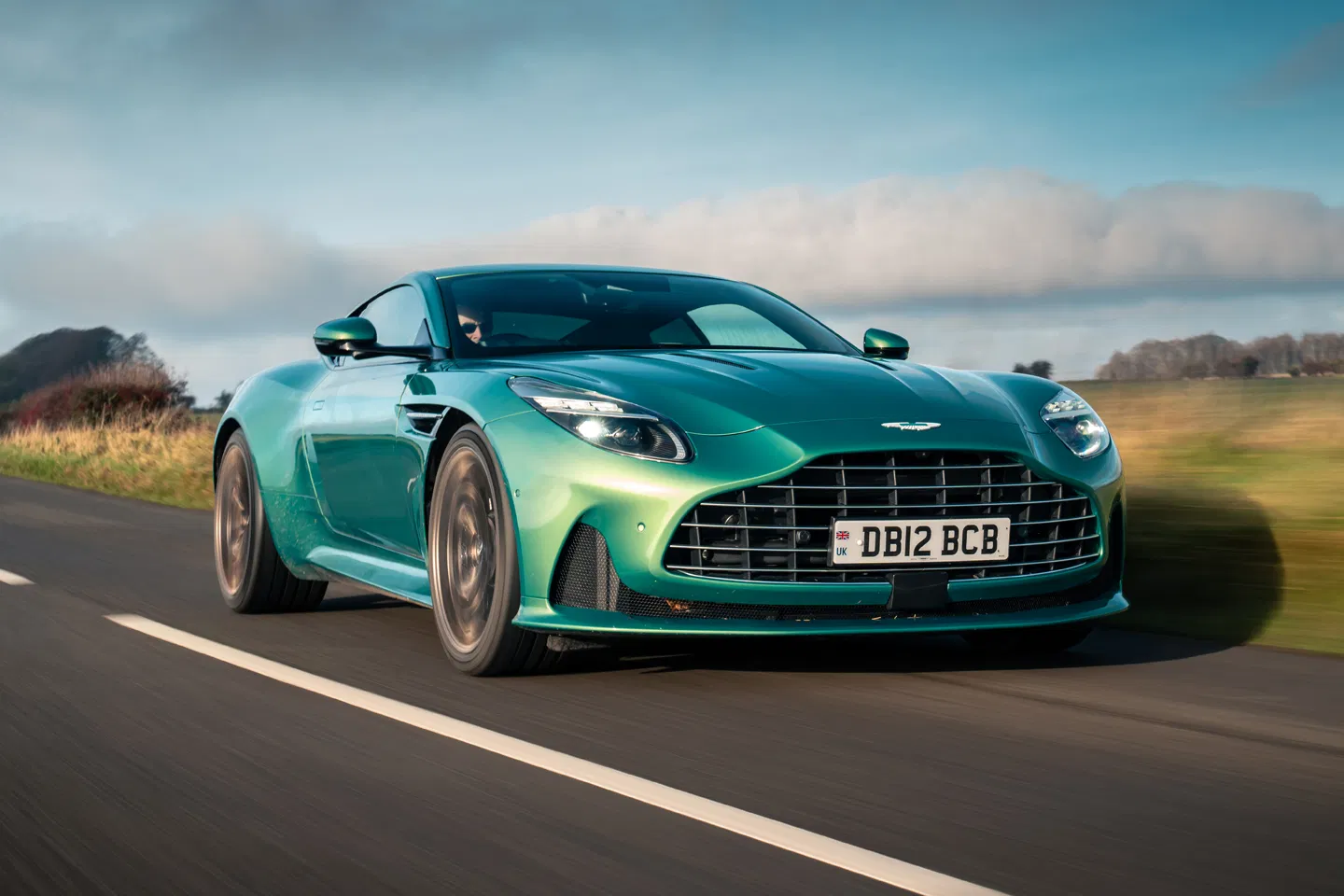
On the product side, there are reasons for cautious optimism, with the Vantage, DB12, and Vanquish all refreshed and the long-delayed Valhalla finally entering customer hands in the fourth quarter of 2025.
Analyst consensus currently targets a price of around 41p, representing roughly 21% upside from current levels, though the sentiment remains broadly cautious.
Out of 11 brokers covering the stock, only one rates it a Buy, nine recommend Hold, and one issues a Strong Sell rating on the shares.
A successful ramp-up of Valhalla deliveries could meaningfully lift margins and reinforce Aston Martin’s positioning as an ultra-luxury performance brand in a competitive segment.
Falling interest rates could also ease the burden of servicing the company’s substantial debt pile, while any broad improvement in global economic conditions could encourage wealthy consumers to spend more freely.
However, serious risks remain, including the possibility of further capital raises that would dilute existing shareholders, continued pressure from US tariffs on already thin margins, and vulnerability to another weak sales period.
Higher interest rates, elevated fuel prices, and persistent inflation all continue to work against a business that depends heavily on discretionary high-end spending.
For a recovery to take hold, Aston Martin’s management would need to stabilise cash flow, begin reducing debt, and demonstrate that the Valhalla ramp-up can genuinely transform the group’s financial trajectory.
Until those conditions are clearly in place, the investment case remains speculative, and many analysts believe there are more compelling opportunities elsewhere in the FTSE growth universe.