British income stocks are drawing renewed investor attention as inflation concerns and interest-rate uncertainty continue to shape market conditions across the UK.
Lloyds Banking Group (LSE:LLOY), Foresight Group Holdings (LSE:FSG), and NWF Group (LSE:NWF) each represent a different route to dividend income through established business models.
The OECD has warned that global inflation may remain persistent, a factor that could influence how central banks approach interest-rate decisions going forward.
Higher rates can create financing pressures for some businesses, while companies with recurring cash generation and disciplined capital management may navigate that environment differently.
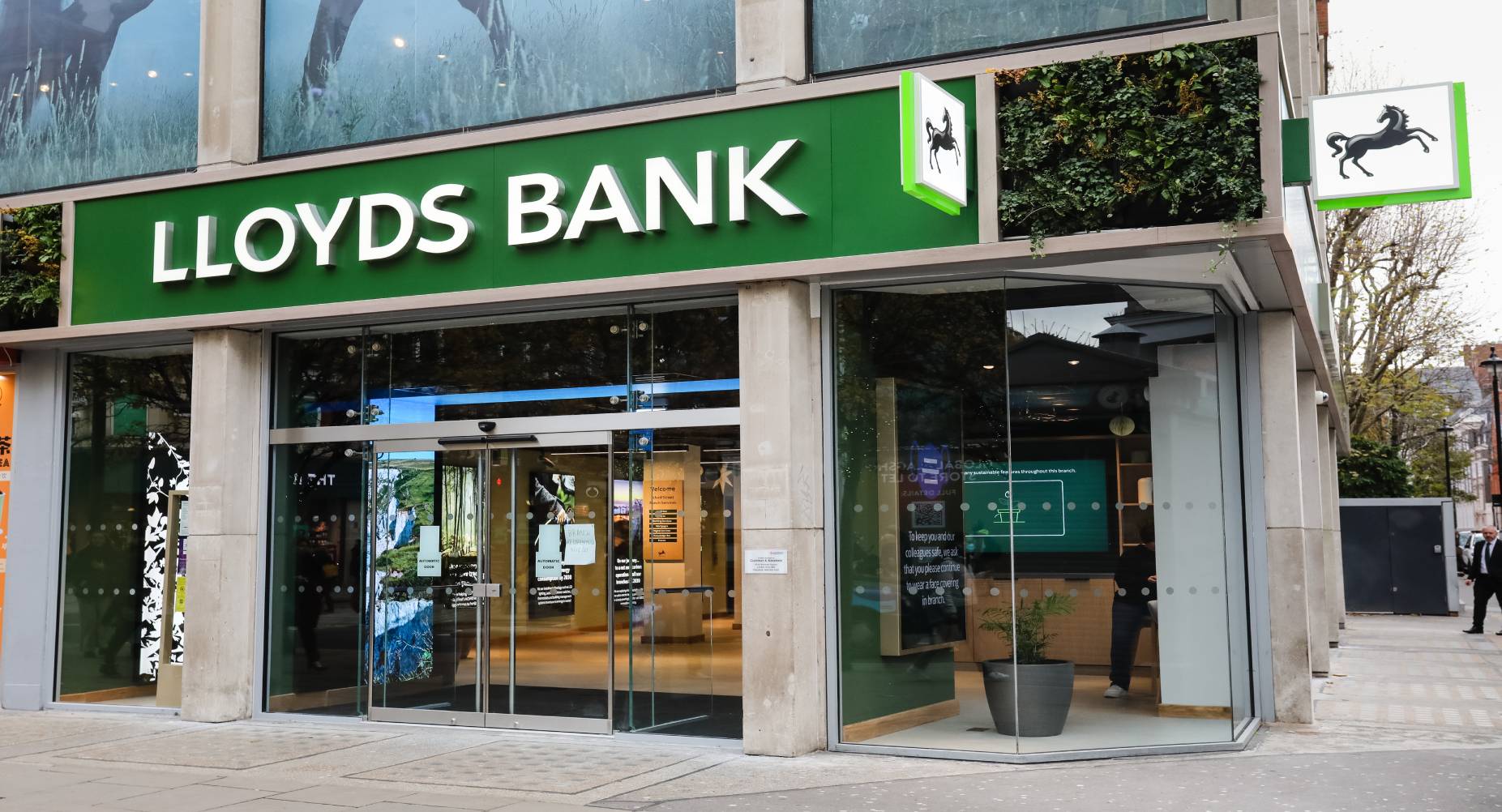
Lloyds Banking Group operates across retail banking, commercial banking, and insurance, giving the group a broad and recurring customer base throughout the UK economy.
The bank’s ongoing digital transformation, including greater use of technology and artificial intelligence, aims to streamline processes and improve operational efficiency over time.
Credit quality remains a critical variable for Lloyds, as changes in household finances, borrowing conditions, or business defaults can directly affect banking performance and dividend sustainability.
Foresight Group Holdings manages investment strategies across renewable energy, infrastructure, private equity, and venture capital, linking its fee generation to long-term asset development.
The global transition toward cleaner energy continues to expand the infrastructure investment landscape, creating a supportive backdrop for asset managers with established expertise in renewable and infrastructure projects.
Foresight’s approach to capital allocation, including share repurchases and new fund launches, represents another important theme for investors assessing the group’s ability to convert expanding fee streams into consistent cash returns.
NWF Group takes a distinctly different approach, operating across fuels distribution, food logistics, and animal feed, with its fuels division serving as a primary contributor to overall financial performance.
The company is currently restructuring its regional fuels network toward a more consolidated depot model designed to improve delivery efficiency and strengthen distribution economics.
A more streamlined depot structure can reduce unnecessary travel and improve delivery density, though operational transitions of this nature require careful execution to realise the intended efficiency gains.
Despite their very different industries, Lloyds, Foresight, and NWF share a common reliance on recurring underlying activity rather than short-term revenue events to support their dividend commitments.
Cash generation remains the thread connecting all three income stories, as sustainable operating cash flow provides the foundation upon which dividend resilience ultimately depends.
For Lloyds, credit quality, customer activity, and digital efficiency will remain the key metrics to monitor as the bank evolves its operational platform.
For Foresight, renewable infrastructure expansion, fund launches, and fee generation will continue to define its financial trajectory in the months ahead.
For NWF, the success of its depot restructuring, fuel demand levels, and logistics efficiency will serve as the most telling indicators of future income durability.
The broader UK dividend landscape illustrates how businesses across banking, infrastructure investment, and essential distribution can each support income-focused strategies through fundamentally different operational models.
Ultimately, headline dividend yields alone do not tell the complete story, as business resilience, cash generation quality, and management execution remain equally important factors in assessing long-term income sustainability.