Aston Martin Lagonda Global (LSE: AML) carries one of the most iconic and recognisable luxury automotive brands in the world today.
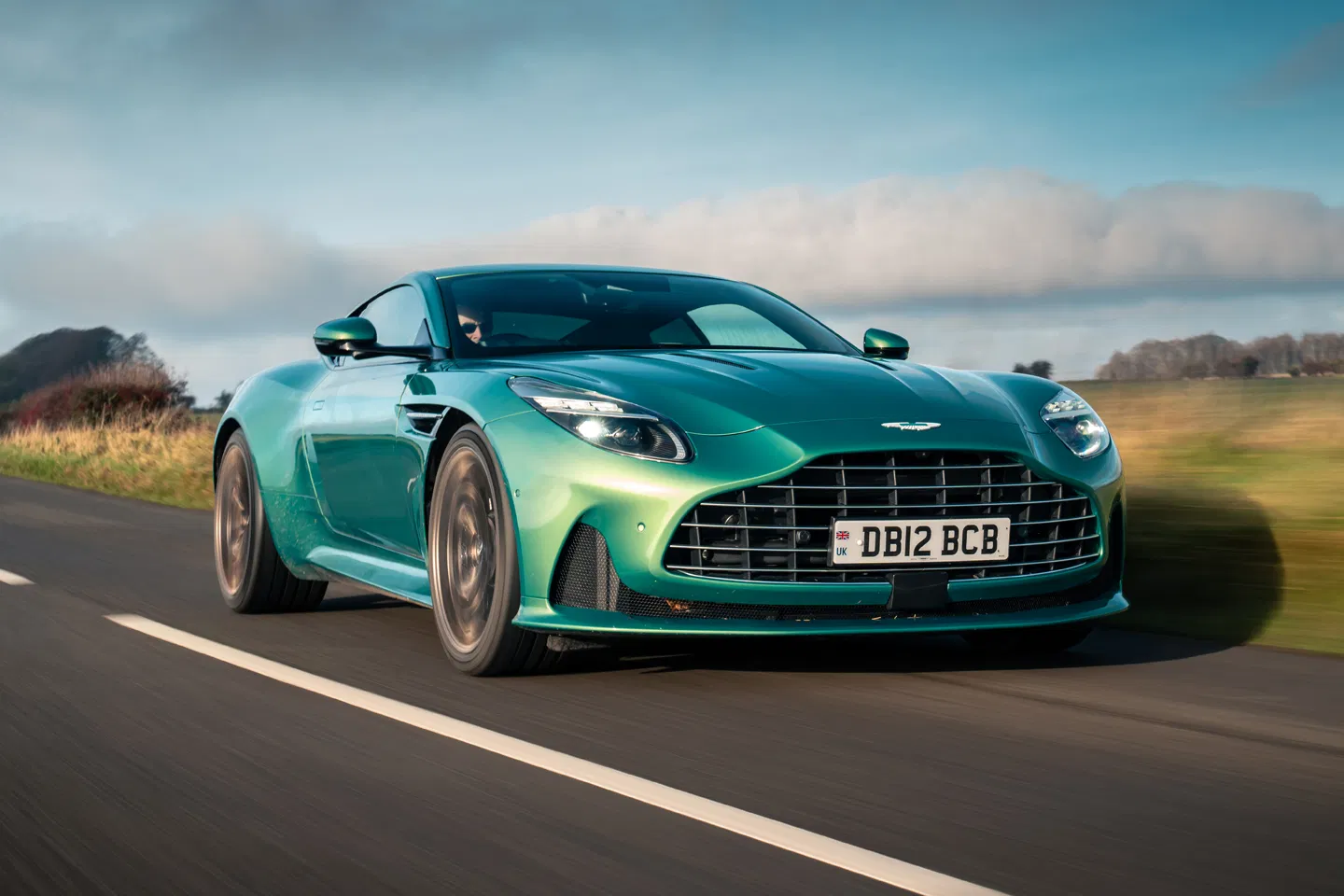
The British carmaker’s vehicles, from the new DB12 S to its classic models, consistently command attention and admiration among wealthy enthusiasts globally.
The company itself describes its lineup as “one of the most modern and broadest ranges in the ultra-luxury high performance market,” a claim that appears difficult to dispute.
Only rivals Ferrari and Lamborghini occupy a similarly rarefied space in terms of brand prestige and emotional pull among affluent buyers.
Adding further momentum, Aston Martin is now shipping its Valhalla supercar, which reportedly starts at £850,000 before personalisation options likely push the price above £1 million.
The company delivered over 200 Valhalla vehicles in the first half of 2026, boosting gross margins by 590 basis points to 33.8%, a meaningful sign of improving product mix.
Despite these positives, the share price tells a brutal story, with AML stock down 94% over the past five years and the company recently demoted from the FTSE 250.
Net debt stood at £1.55 billion at the end of June, reflecting a balance sheet under considerable stress that has persistently alarmed investors.
With a market capitalisation of roughly £400 million set against expected annual sales of £1.52 billion, the gap between valuation and revenue is stark and potentially telling.
Trading around 40 pence per share, AML represents exactly the kind of high-risk, high-reward investment that could deliver enormous upside if a genuine recovery takes hold.
The company expects free cash outflow to “materially improve” this year, though global headwinds including US tariffs, inflation, and geopolitical instability complicate that outlook considerably.
Even if Aston Martin reaches breakeven on an operating basis, its colossal debt pile means the company will still post a significant overall loss for the year.
The repeated need for fresh cash injections to sustain operations remains a serious concern for investors weighing the risk-reward balance here.
Broader macroeconomic turbulence, particularly uncertainty around US trade policy and Middle Eastern geopolitical tensions, adds another layer of risk to an already fragile investment case.
Ultimately, while the Aston Martin brand retains undeniable global cachet and the Valhalla launch shows genuine commercial promise, the financial risks remain too elevated for cautious investors to ignore.