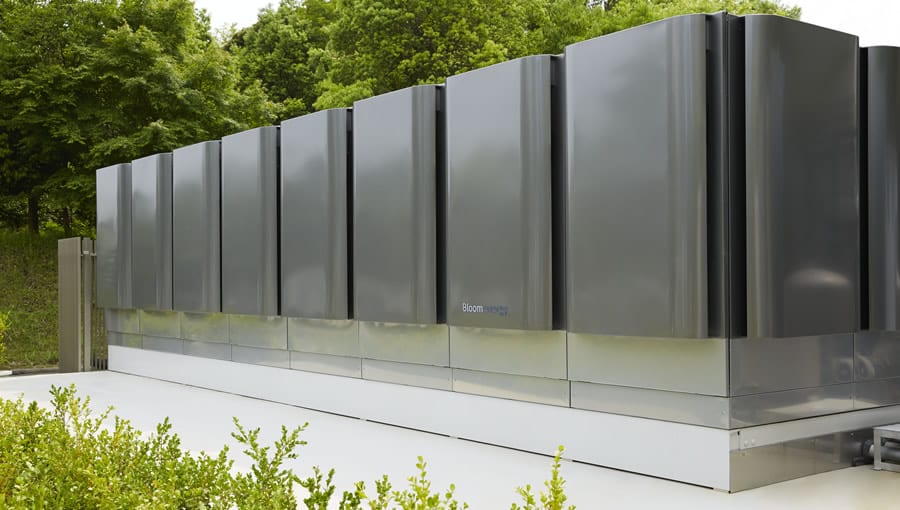
Bloom Energy (BE) has become one of the most talked-about names in the energy sector as AI data centers increasingly turn to its fuel cells for reliable on-site power generation.
Shares have climbed nearly 1,000% over the past five years, reflecting growing demand for distributed energy solutions that can power the massive computing infrastructure AI requires.
Despite that extraordinary run, the stock closed recently at $239.34, sitting roughly 31% below its record closing high of $345.85 set on June 22.
A single-day drop of 9% on October 14 contributed to the gap between current prices and that peak, reminding investors how volatile high-growth energy stocks can be.
Analysts projecting where BE stock will land by the end of 2030 are arriving at a figure of around $230 per share, essentially flat from where it trades today.
The underlying business is expected to grow substantially over the next four years, but the current valuation appears to leave little room for the stock to reward that growth in price terms.
Bloom grew its revenue 37% in 2025, reaching $2.02 billion, then accelerated sharply with second-quarter 2026 revenue surging 166% year over year to $1.07 billion.
Management has guided for full-year 2026 revenue of $3.9 billion to $4.2 billion, approximately double last year’s total at the midpoint of that range.
The company also plans to double its Fremont, California factory’s annual production capacity from 1 gigawatt to 2 gigawatts before the end of 2026, a move that positions it to handle increasing order volumes.
Revenue could reach approximately $12 billion by 2030, or roughly triple the midpoint of this year’s guidance, implying annual growth of about 31% after 2026, well below the current pace.
Achieving that kind of scale would likely require at least one additional factory expansion beyond the one currently underway, adding capital expenditure risk to the growth story.
On the margin side, Bloom’s non-GAAP adjusted operating margin stood at just 7.1% a year ago before climbing to 17.3% in the first quarter of 2026 and then reaching 22.5% in the second quarter.
The rapid margin expansion has been driven largely by revenue more than doubling, which spread fixed costs across a much larger revenue base and improved manufacturing efficiency.
If the adjusted operating margin holds around 21% and taxes take a normal bite, adjusted profit could come in closer to 17 cents per dollar of revenue, translating to roughly $6 per share by 2030.
That would represent earnings nearly tripling from current levels, a strong fundamental outcome that nonetheless may already be reflected in the stock’s present price.
For investors watching Bloom Energy, the core tension is clear: the business is executing well and growing fast, but the valuation demands near-perfect execution to generate meaningful stock appreciation from here.