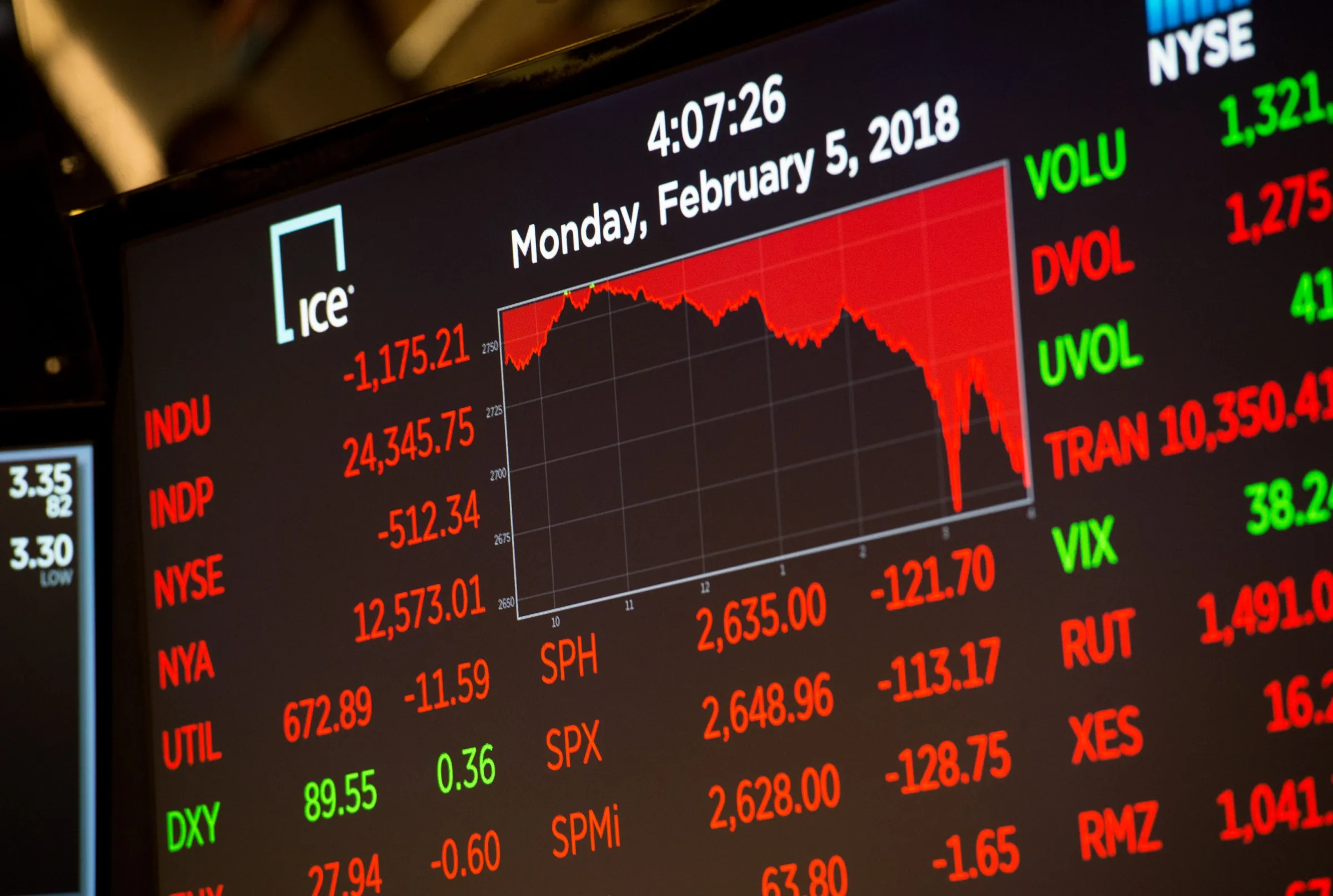
On October 19, 1987, the S&P 500 suffered its single worst trading day on record, losing 20.5% in one session to close at 224.84.
The Dow Jones Industrial Average fared even worse that day, shedding 22.6% in what became one of the most dramatic collapses in market history.
To put that scale of loss in modern terms, a 20.5% drop from the S&P 500’s October 14, 2026 close of 7,718.94 would wipe around 1,580 points off the index in a single session.
For investors who held their nerve and bought at the close on Black Monday, however, the decision ultimately proved to be one of the most rewarding in modern investing history.
On price alone, the S&P 500 grew around 34-fold from that 224.84 close to the index’s October 14 level, turning a $10,000 investment into roughly $343,000 without accounting for dividends.
Reinvested dividends more than doubled that outcome, with the same $10,000 growing to around $776,000 by October 14, 2026, representing an annual return of approximately 11.8% versus 9.5% on price alone.
That difference amounts to roughly $433,000 in additional value, illustrating how a dividend yield that hovered around 3.7% at the end of 1987 compounded dramatically over nearly four decades.
The Black Monday close sat approximately 33% below the index’s record close of 336.77 set on August 25, 1987, meaning anyone who bought at the August peak paid around 50% more for the same exposure to the index.
That discount is central to the case for buying during crashes, though the practical challenge is that waiting for a single-day 20% plunge could mean sitting in cash for years with no guarantee prices will be lower when it finally arrives.
Index funds were available to ordinary investors at the time, with Vanguard launching its first index fund, today known as the Vanguard 500 Index Fund, back in 1976, though fund fees and taxes would have trimmed the final returns somewhat.
Black Monday remains a powerful illustration of how steep market declines have historically represented entry points for long-term investors willing to act against prevailing panic.
The lesson is not simply that crashes are always good buying moments, but that investors who bought on the worst recorded day for the S&P 500 still generated substantial wealth over the decades that followed.