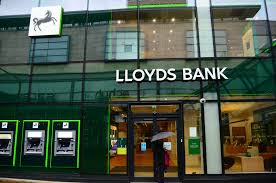
A completed repurchase of 200,000,000 shares worth £200 million is sharpening investor focus on Lloyds Banking Group (LSE: LLOY) and the bank’s long-term net worth trajectory heading into 2027.
The buyback, which retired 0.34% of the total share register, signals that management is choosing to return surplus capital rather than simply letting it accumulate on the balance sheet.
That decision lands alongside a set of third-quarter 2026 numbers that keep the bank’s multiyear growth story largely intact, without delivering any dramatic surprises in either direction.
Net interest income for the quarter came in at £3,828 million, while net income reached £1,666 million, producing basic earnings per share of £0.026.
Those figures matter most because they connect reported profitability directly to the capital allocation choices that Lloyds is now making in real time.
The bank’s Accelerate 2030 strategy projects revenue of £25.6 billion and earnings of £7.5 billion by 2029, implying annual revenue growth of approximately 9.1% from a current earnings base of around £4.8 billion.
Reaching those targets would require a sustained £2.7 billion lift in earnings over roughly three years, which is an ambitious but not implausible climb given the current income trajectory.
A key question hanging over that roadmap is whether planned technology investment, which exceeds £13 billion through 2030 and includes the creation of more than 1,000 new AI roles, will compress margins before the benefits materialise.
Some of the more cautious analyst forecasts were already pencilling in £25.9 billion in revenue and £7.4 billion in earnings by 2029 even before the buyback news, suggesting the gap between bulls and bears is narrower than it might appear.
At the same time, at least one valuation model pegs the stock’s fair value as low as £1.07, while a separate analysis points to a potential upside of 28% from the current price, illustrating just how wide the range of credible outcomes remains.
The domestic economy is the clearest threat to any of these scenarios, given that a slowdown would pressure household finances and small business credit quality simultaneously.
Tight competition in both the mortgage and deposit markets adds another layer of pressure on net interest income, which remains the dominant revenue driver for this UK-focused institution.
Capital returns running alongside the digital and fee-income expansion agenda could prove to be the element that keeps long-term shareholders engaged, provided credit conditions hold steady through the cycle.
The Q3 results and the buyback completion together offer investors the most concrete read yet on how Lloyds is balancing profitability, shareholder distributions, and the heavy technology spending required to deliver on its stated net worth growth ambitions by the end of the decade.