A forecast dividend yield climbing toward 7% is rare anywhere in the market, yet Investec Group (LSE: INVP) is currently offering exactly that to income-hungry investors.
The FTSE 100 specialist bank carries a price-to-earnings ratio of just 7.7x, and analysts project its dividend yield will reach 7.07% by 2027, having already hit 6.43% this year.
Unlike conventional high-street lenders, Investec blends specialist banking with wealth and investment management, catering to wealthy individuals, entrepreneurs and businesses across the UK, South Africa and beyond.
That diversified revenue base gives it multiple income streams, reducing dependence on the mortgage and everyday banking cycles that can crush more traditional rivals.
Its shares have gained roughly 33% over two years, solid progress, though it trails the spectacular rallies posted by the largest FTSE 100 banks during the same period.
Risks are real and worth acknowledging: Investec’s South African operations expose shareholders to currency swings, political volatility and emerging-market economic pressure that UK-only banks simply do not face.
A softer British economy could simultaneously push up bad loans and dampen wealth management revenues, particularly if cautious clients pull back from markets and cut advisory mandates.
Investors weighing Investec might also glance at NatWest, which trades at a P/E of around 8x and offers a comparably generous dividend yield as an alternative banking play.
Switching to the aviation sector, International Consolidated Airlines Group (LSE: IAG), the parent company of British Airways, presents a very different kind of value proposition built around share price momentum rather than yield.
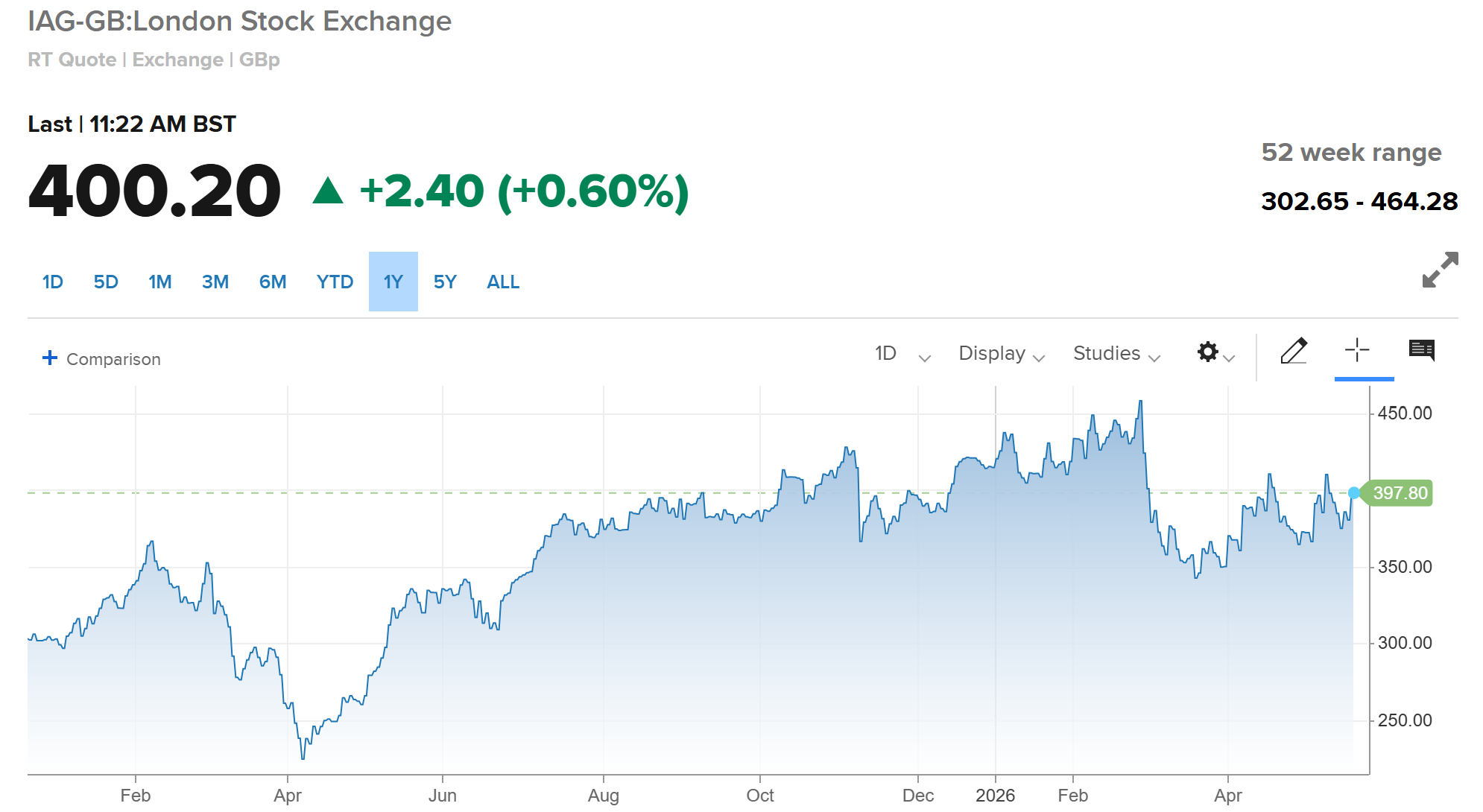
IAG’s trailing P/E sits at just 7.5, yet its stock has more than doubled over roughly two years, climbing from 217p to 455p as passenger volumes rebounded sharply from pandemic lows.
The recovery was powered by strong demand for premium long-haul travel, aggressive cost discipline, and the group’s ability to shift capacity toward its most profitable routes across a broad global network.
Third-quarter results released on 6 November showed revenue rising 4.5% to €9.74bn, though operating profit fell 16% to €1.73bn as fuel expenses and operational disruptions weighed heavily on margins.
IAG now expects its 2026 fuel bill to reach €8.9bn and is planning for capacity to dip slightly, meaning the path ahead carries meaningful headwinds even as forward demand remains encouraging.
Consensus broker forecasts place IAG’s one-year share price target at around 520p, suggesting approximately 14% upside from current levels, while the trailing dividend yield stands at 1.87%.
It is worth remembering that IAG’s P/E was as low as roughly 3x just a year or two ago, a reminder that airlines, with their enormous fixed costs and global exposure, have historically commanded discounted valuations.
Both stocks are intriguing, but neither quite clears the bar of an unmissable bargain given the specific risks each carries in the current economic climate.