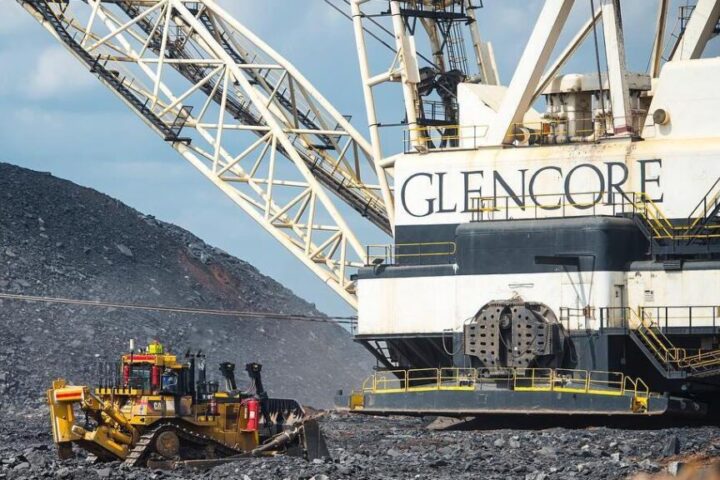
Two approaching mine closures are driving one of Queensland’s largest new resource investments in years, with Rio Tinto (LSE:RIO) formally approving its Kangwinan bauxite development this month.
The Andoom mine is nearing the end of its operational life later this decade, and the Gove facility in the Northern Territory faces a similar planned shutdown around the same period.
Together those closures represent a significant gap in Rio Tinto’s bauxite supply chain, which Kangwinan has been specifically designed to fill alongside the existing Amrun operation.
The head of Rio Tinto’s aluminium and lithium division called the project the most significant new mining investment in Queensland in recent years, framing it as a long-term commitment to both the state and the mine-to-metal aluminium chain.
The project’s name carries cultural weight, having been selected at the request of the Wik Waya Traditional Owners, with Kangwinan referring to a black female crow that serves as a totem of the Wik Waya people.
Environmental permits were already in place through a previously approved impact statement covering land south of the Embley River, backed by both state and federal governments, smoothing the path to a rapid construction start.
Early site works got underway last year, with heavier construction activity scheduled to accelerate next year and first ore production targeted before the decade is out, followed by full output capacity a few years beyond that.
Infrastructure upgrades will accompany the mining build-out, including an expansion of the Amrun wharf to handle larger capesize vessels and improve the efficiency of ore shipments to customers.
Rio Tinto said that when Kangwinan is combined with Amrun and a proposed acquisition of the nearby Aurukun bauxite deposit from Glencore (LSE:GLEN) and Mitsubishi, Weipa operations could be sustained well beyond the middle of this century.
Aurukun remains conditional, and Rio Tinto has indicated it will map out a separate regulatory approvals process for that site if the transaction with Glencore and Mitsubishi is completed.
Securing long-run bauxite supply matters strategically because the ore feeds Rio Tinto’s own alumina refineries as well as a network of third-party customers across Asia, making Weipa a critical node in the global aluminium value chain.
Bauxite is the foundational raw material for alumina refining, which in turn produces the aluminium used across construction, transportation and consumer products worldwide.
The Kangwinan approval follows Rio Tinto’s third-quarter production update in October and reflects the company’s broader effort to balance growth spending with the replacement of assets approaching depletion across its iron ore, copper, aluminium and lithium divisions.
Rio Tinto shares were trading at GBX 6,400.00, up 2.51%, on the day the news circulated, while Glencore (LSE:GLEN) added 0.69% to reach GBX 541.80.