If your business is already tracking marketing performance, you are ahead of the curve. You understand the value of data, you know which metrics matter, and you have systems in place to measure results. But if your team is still pulling that data together by hand, a significant opportunity is sitting right in front of you.
Automation is reshaping how performance-focused companies manage their reporting workflows in 2026, and the businesses making the switch are finding that the benefits go well beyond saving a few hours each week.
From Data Bottleneck to Real-Time Action
Even with solid measurement across paid search, social, email, and organic channels, consolidating everything into a coherent picture still requires someone to do the legwork. That bottleneck is where manual reporting lets performance-driven teams down. Skilled analysts end up spending valuable time compiling figures rather than interpreting them, and the process is only as reliable as the person carrying it out on any given week.
Automation closes that gap. Consolidated dashboards pull live data from connected platforms automatically, meaning a campaign that starts underperforming on a Wednesday does not wait until Friday’s report to flag the issue. Teams can respond in hours rather than days, and when your reporting infrastructure keeps pace with your campaigns, your decisions do too.
What This Means for Teams Managing Multiple Channels
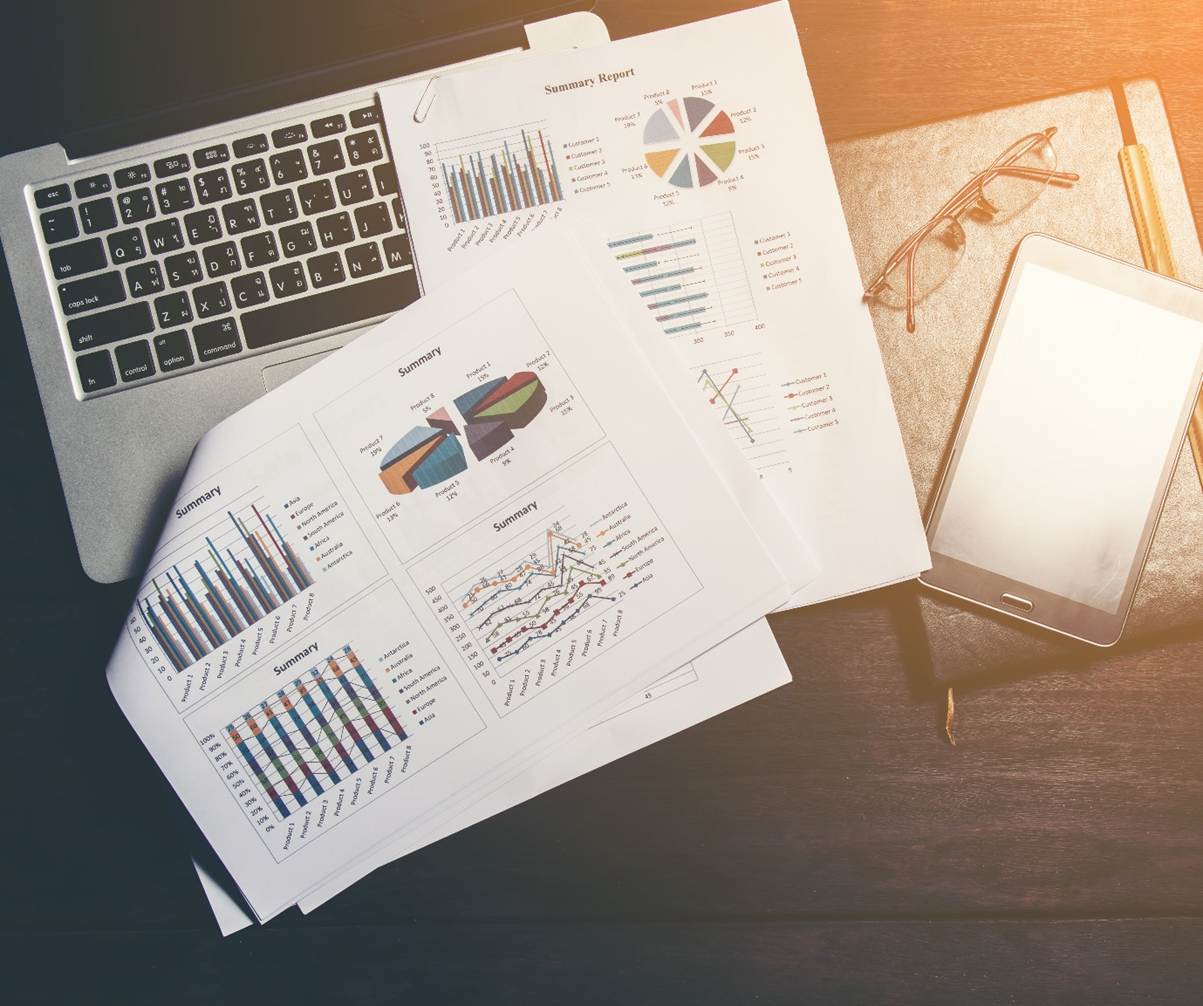
Businesses running activity across several channels simultaneously will find automated reporting particularly transformative. Rather than maintaining separate dashboards or exports for each platform, a consolidated view brings everything together under a single set of metrics, making cross-channel analysis straightforward rather than laborious.
This is where the investment in performance tracking really pays off. With clean, consistently formatted data flowing into one place automatically, analysts can spend their time on the work that genuinely requires human judgement: identifying trends, building hypotheses, and recommending where budgets should move next.
For teams that work with external partners or report upwards to senior stakeholders, a reliable marketing agency reporting tool can also standardise how performance is communicated, ensuring that everyone looking at the numbers is working from the same source of truth, updated in real time.
The Business Case Is Increasingly Hard to Ignore
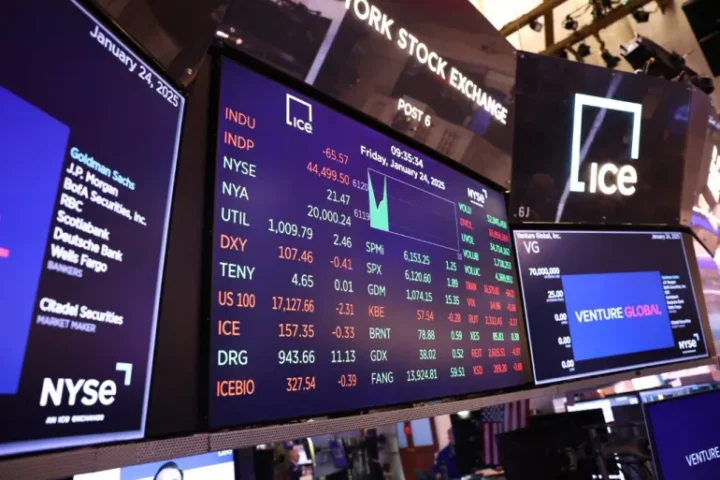
Across industries, businesses are under pressure to demonstrate that their operational processes are as efficient as possible. With rising costs affecting companies in sectors from energy to professional services, as recent reporting on financial market conditions highlights, scrutiny of where internal resource is spent has intensified considerably.
Marketing operations are no exception. For a company already committed to performance tracking, the question is not whether data matters. That has already been answered. The question is whether the infrastructure supporting that data is working as hard as it should be.
Manual reporting workflows, however well managed, introduce delays, dependencies, and room for error that automated systems simply do not. The return on investment from making the switch tends to be tangible and relatively swift, particularly for teams handling high data volumes across multiple channels or clients.
From Reporting to Strategy
Perhaps the most meaningful shift that comes with automation is a cultural one. When the time and energy previously directed at building reports is freed up, high-performing teams tend to redirect it towards analysis and strategy rather than administration.
Analysts move from compiling data to interrogating it. Managers move from checking figures to acting on them. The reporting function, rather than being a recurring task that consumes capacity, becomes a live resource that actively supports decision-making throughout the week.
For businesses that already believe in the power of performance data, this is a natural and genuinely exciting evolution. The infrastructure catches up with the ambition, and the full value of the investment in tracking begins to be realised.
Making the Most of What You Already Measure
The good news for companies already engaged in performance tracking is that the transition to automated reporting does not require starting from scratch. The data sources, the key metrics, and the measurement frameworks are already in place. Automation simply removes the manual layer sitting between that data and the people who need to use it.
In 2026, the businesses that will pull furthest ahead are those treating their reporting infrastructure as a strategic asset rather than an administrative function. If your company already takes performance seriously, ensuring that your reporting keeps pace with your ambitions is the logical next step.