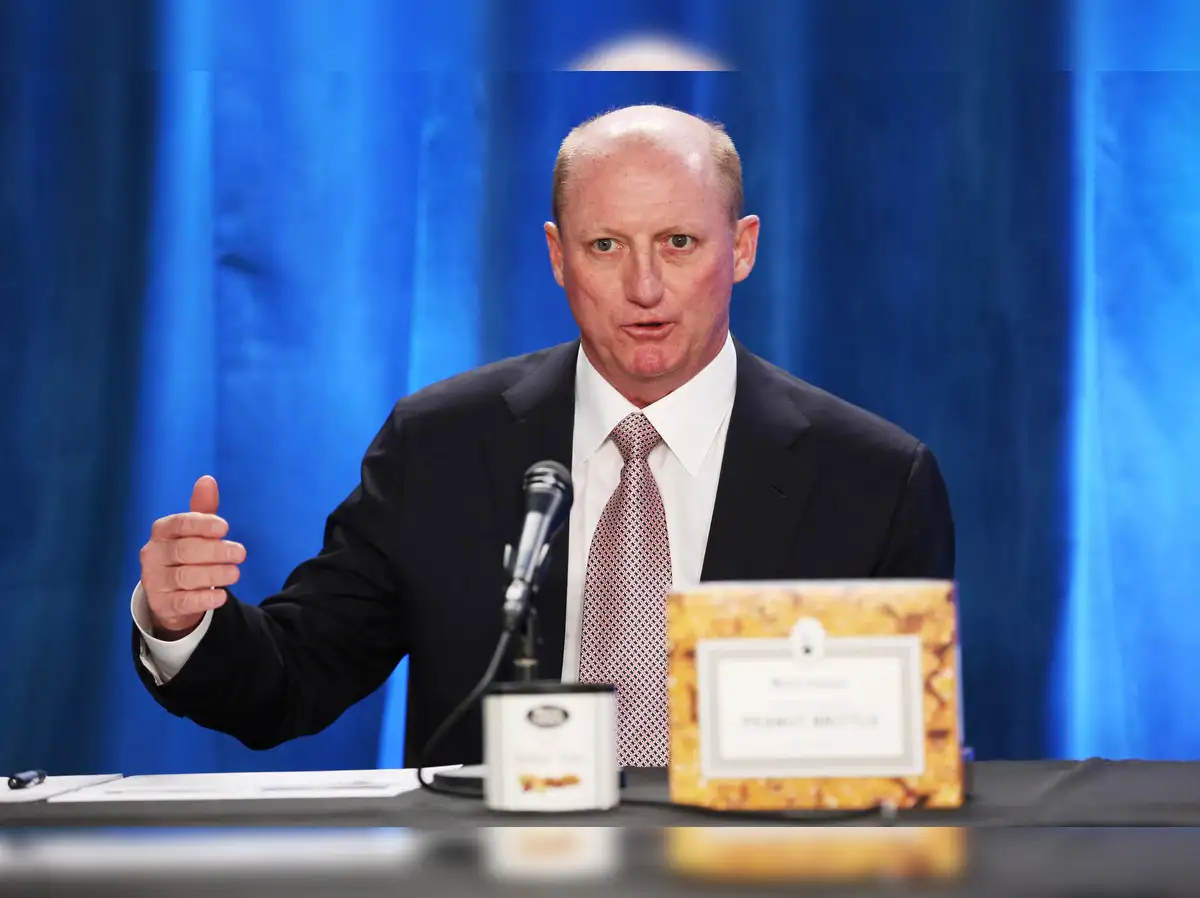
Greg Abel‘s first full quarter at the helm of Berkshire Hathaway (NYSE: BRK.B) has produced one of the most dramatic portfolio overhauls in the conglomerate’s modern history, with the new CEO exiting 16 of the company’s 42 equity positions and making aggressive additions to others.
The 13F filing released on May 15 covers the first quarter of 2026, Abel’s first reporting period since Warren Buffett formally handed over control of day-to-day operations and investment decisions at the end of 2025. The scale and character of the changes strongly suggests Abel is reshaping the portfolio to reflect his own investment philosophy rather than simply maintaining the Buffett inheritance.
The most striking move is the decision to more than triple the position in Alphabet, with Berkshire’s share count rising from approximately 17.85 million at the end of 2025 to roughly 58 million by the end of March, creating a stake valued at nearly $17 billion to $23 billion depending on the price benchmark used. The Alphabet position had only been initiated a few quarters earlier, making this expansion one of the fastest position-building exercises in Berkshire’s history. It signals a strong conviction that Alphabet’s long-term value in search, cloud computing and AI infrastructure more than justifies the concentration of capital.
On the exit side, the completeness and breadth of the departures is what stands out. Amazon, Domino’s Pizza, Visa, Mastercard, UnitedHealth Group and all six of the firm’s remaining Japanese trading company stakes were fully liquidated in a single quarter. These are not obscure speculative positions. Visa and Mastercard in particular were widely considered near-permanent Berkshire holdings given their capital-light business models and consistent returns. The decision to exit both simultaneously, alongside Amazon and UnitedHealth, implies Abel made a deliberate choice to concentrate rather than diversify, backing fewer names with higher conviction. The portfolio’s total equity value fell from $274.2 billion to $263.1 billion as positions were consolidated.
Two new additions were also made. Berkshire opened a $2.65 billion position in Delta Air Lines, acquiring approximately 39.8 million shares in a sector that Buffett famously avoided after years of mixed experiences with airline investments. The Macy’s position was described as small and by comparison immaterial, suggesting it may reflect either opportunistic value thinking or a test position ahead of a larger potential commitment. Abel’s background overseeing Berkshire’s utility operations gives him experience with capital-intensive, infrastructure-adjacent businesses, which may partly explain the Delta interest.
Apple remains untouched at approximately 228 million shares, still representing around 22% of the equity portfolio and maintaining its status as the single largest position. Bank of America was trimmed by less than 1% and similarly treated as effectively stable. Chevron, however, was the largest reduction measured by market value, suggesting Abel is moderately less constructive on the energy sector’s medium-term prospects than Buffett had been at similar junctures.
The overall effect is a portfolio that is simultaneously smaller in number of positions, more concentrated in its top holdings, and more explicitly oriented toward technology and infrastructure than at any prior point in Berkshire’s equity history. Whether Abel’s active reallocation style in this first quarter represents his standing approach or an initial clearing exercise before settling into a more passive strategy remains to be seen. As the Motley Fool noted in a commentary, he suggested in the shareholder letter that future quarters might involve fewer changes. The next 13F, due in August, will provide the clearest signal of whether this quarter was transformation or consolidation.