London’s mature resource companies are drawing fresh attention as energy-market disruption and uneven industrial demand reshape investor priorities in a cautious trading session.
Shell (LSE:SHEL) and Rio Tinto (LSE:RIO) have recently paired stronger cash generation with continued shareholder distributions, reinforcing their positions in the UK value conversation.
Glencore (LSE:GLEN) and Mondi (LSE:MNDI) add further texture to that picture, showing how operational mix and margin pressure complicate straightforward value comparisons across the sector.
The appeal of resource stocks is not simply defensive, since commodity companies can face abrupt shifts in prices, taxes, operating costs and political conditions that quickly alter their value profile.
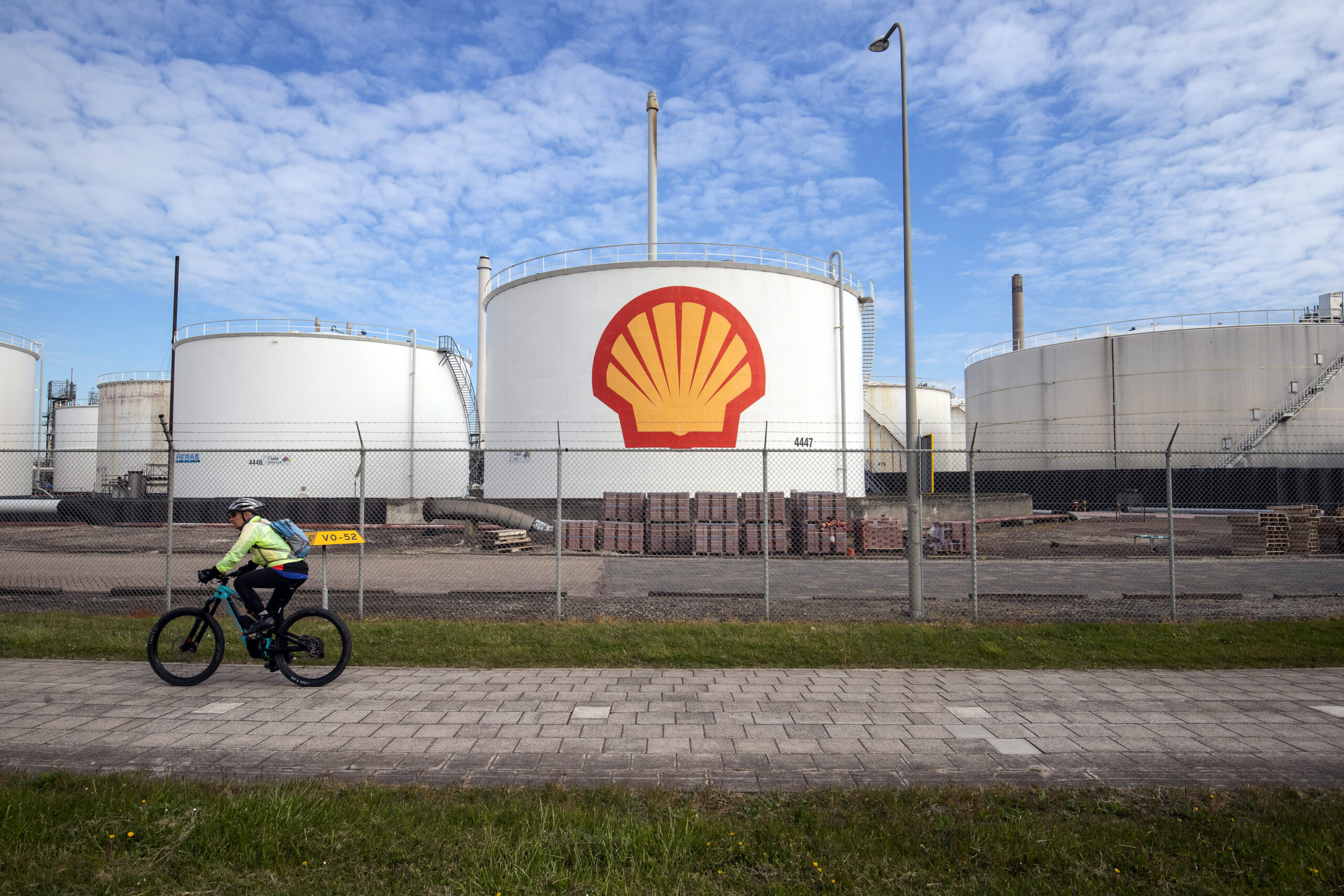
Shell (LSE:SHEL) operates across oil, gas, liquefied natural gas, chemicals, trading and lower-carbon activities, and its latest release emphasised robust operations and strong cash generation during a period of severe market disruption.
Management at Shell (LSE:SHEL) continued structural cost reductions and announced another share repurchase while maintaining its investment outlook, supporting the argument that distributions are funded from current operating cash flow.
Rio Tinto (LSE:RIO) reported stronger production performance, productivity gains and improved free cash flow, while also maintaining substantial investment in growth projects and increasing its interim distribution.
The Rio Tinto (LSE:RIO) results placed greater emphasis on copper, aluminium and lithium, reflecting a deliberate effort to reduce dependence on iron ore and its close connection to Chinese construction demand.
Glencore (LSE:GLEN) recorded improved sequential production across zinc, nickel, gold and coal, and management expected a robust contribution from its marketing business, which responds to regional pricing differences and market dislocation.
Mondi (LSE:MNDI) presents a more pressured version of the resource theme, with its latest half-year report showing the effects of higher input costs and weaker selling prices, only partially offset by volume gains.
Management at Mondi (LSE:MNDI) responded to margin pressure with restructuring actions and a lower capital-spending plan, moves that are common in a cyclical downturn but whose effectiveness depends heavily on timing and execution.
Productivity improvements at Rio Tinto (LSE:RIO) deserve particular attention because sustainable operational gains can lower the commodity price needed for an asset to earn an acceptable return, unlike temporary benefits from favourable ore grades.
Glencore’s (LSE:GLEN) combination of mining assets and a large commodity marketing operation gives it a different earnings mix from conventional miners, though it also makes the business harder for investors to analyse cleanly.
Coal exposure at Glencore (LSE:GLEN) can generate substantial cash during tight energy markets but carries climate-policy concerns, while its copper and transition-related metals carry their own cyclical and cost risks.
The common thread across Shell (LSE:SHEL), Rio Tinto (LSE:RIO), Glencore (LSE:GLEN) and Mondi (LSE:MNDI) is that today’s uncertain backdrop is making cash discipline, rather than headline commodity exposure, the defining measure of resource-sector value.