London’s oil and gas stocks are drawing renewed attention as firm oil and refined-energy costs continue reshaping expectations for household budgets, industrial margins, and cash generation.
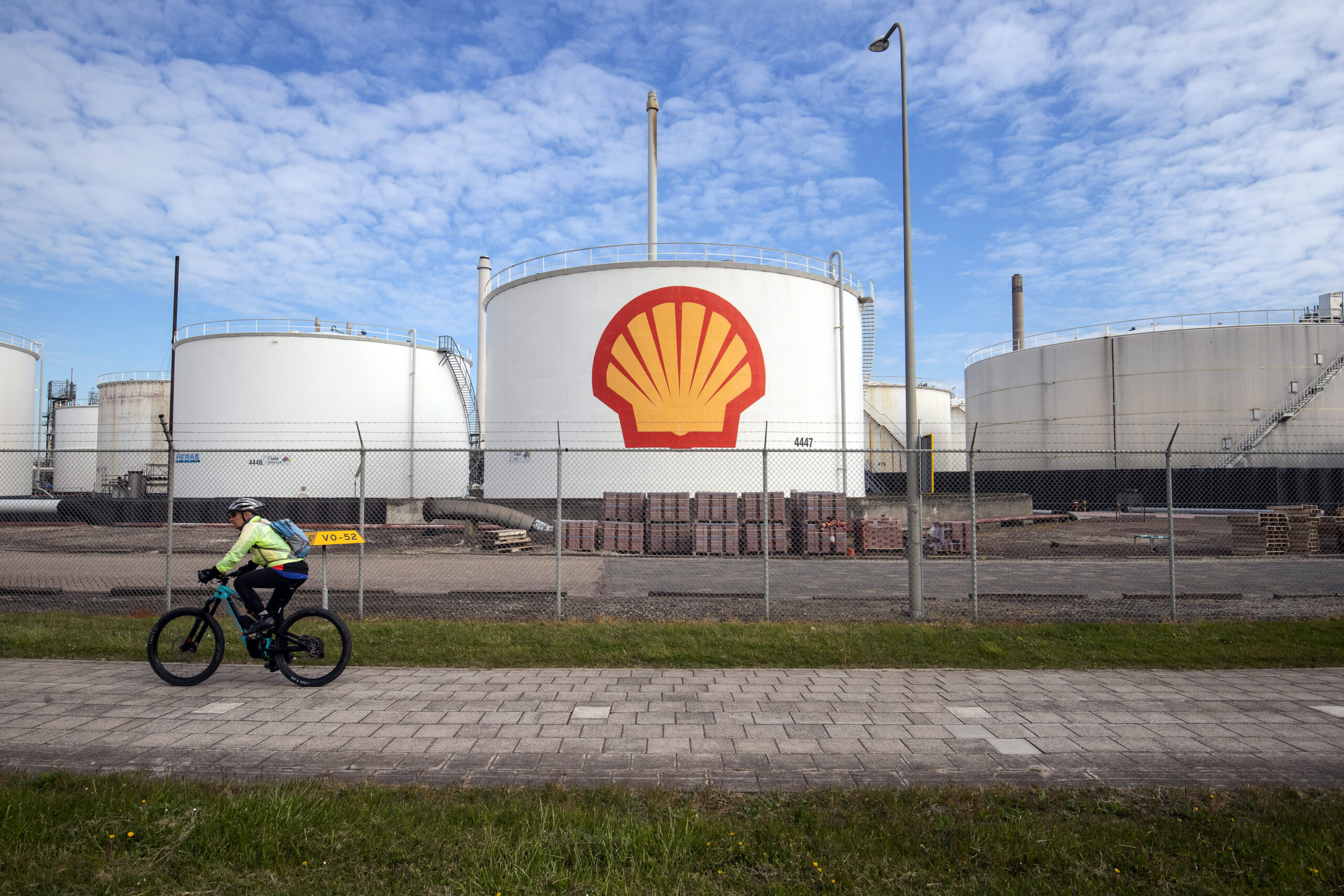
Shell (LSE:SHEL) sits near the centre of that debate, trading at 3236.00 GBX, up 2.41%, offering investors a live lens on commodity realisation as London equity leadership becomes more selective.
BP (LSE:BP.), trading at 517.10 GBX and up 1.35%, provides a useful contrast in business mix, production reliability, and exposure to the same macro pressures affecting the broader energy sector.
The London backdrop matters because equity categories do not trade in isolation, and better services momentum can improve the demand outlook while simultaneously keeping attention on wage pressure and interest rate direction.
For London-listed integrated energy and upstream producers, those forces reach valuations directly through commodity realisation and the confidence investors place in future cash generation from existing assets.
The market is testing the quality of commodity realisation rather than merely its existence, demanding clearer evidence that attractive demand conditions actually convert into revenue, cash, and balance-sheet flexibility.
London’s mixed leadership pattern reinforces that point, with mining and banking shares offering support while weakness elsewhere has reminded investors that guidance can change quickly when trading conditions soften.
The lesson for oil and gas stocks is that management evidence now carries more weight than broad optimism, and company announcements must show operational language supported by contracts, asset productivity, and observable milestones.
Capital allocation forms the second critical strand of the story, as higher energy inputs and uncertain financing conditions mean margins, working capital, and refinancing choices can alter the interpretation of otherwise encouraging trading news.
For Shell (LSE:SHEL), attention centres on commodity realisation, while for BP (LSE:BP.), the more revealing issue is capital allocation, two related but distinct questions with different timelines and dependencies.
Fiscal exposure forms a further company-level filter, determining whether each business has the room to respond when the macro picture shifts against broader assumptions about energy prices or policy support.
A peer comparison between Shell (LSE:SHEL) and BP (LSE:BP.) is useful only when it respects differences in customer base, geography, contract structure, and investment cycle rather than treating the two as interchangeable.
The UK market is especially sensitive to structural distinctions because London categories contain both mature international groups and smaller specialists whose shares may appear in the same thematic screen yet carry substantially different risk profiles.
Official disclosures and trading updates remain more useful than promotional claims because they provide a sequence against which progress can be checked and assumptions tested against reported performance.
The next disclosure from Shell (LSE:SHEL) will be most useful if it connects strategic language with operating evidence, clarifying what has changed operationally and which parts of strategy are already visible in reported numbers.
For oil and gas stocks broadly, today’s relevance comes from the convergence of macro tension and corporate proof, with Shell (LSE:SHEL) and BP (LSE:BP.) helping make that distinction concrete for London investors.