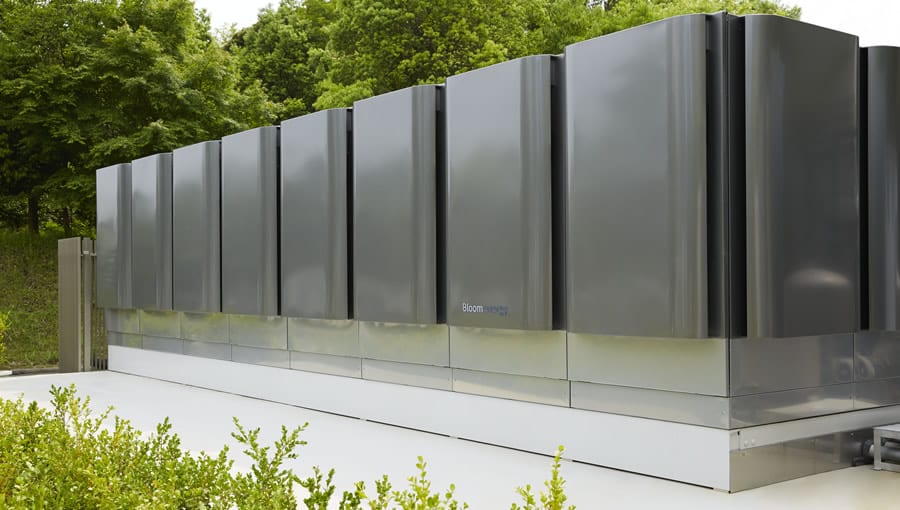
Bloom Energy and Oracle are both tied to Project Jupiter, a massive data center development backed by a unit of Blue Owl Capital in New Mexico.
The campus is expected to be larger than Central Park in New York City and is linked to OpenAI’s Stargate Project, which supports multiple AI data centers.
Bloom Energy’s role in the project centers on supplying hydrogen fuel cells to power the facility once construction is complete.
Oracle has cited “force majeure” protections after the project encountered significant local opposition and key infrastructure delays.
A natural gas pipeline operated by Energy Transfer, intended to supply fuel to Bloom Energy’s fuel cells on site, has been pushed back from August 2026 to February 2027.
Energy Transfer was forced to reroute the pipeline after permitting setbacks slowed progress, adding further uncertainty to the project’s timeline.
Oracle is not walking away from Project Jupiter but is taking steps to protect itself legally if the project is ultimately scrapped.
Oracle investors face a more precarious situation, with earnings expected to grow only about 7% this fiscal year before potentially jumping between 35% and 43% annually as its AI data center buildout matures.
Oracle carries approximately $89 billion more debt than cash, making it far more dependent on projects like Jupiter delivering results on schedule.
For Bloom Energy, the primary concern is when its existing backlog converts into recognized revenue, as delays could push that timeline without necessarily eliminating the overall business opportunity.
Bloom Energy retains the flexibility to redeploy its fuel cell equipment across other customer projects, reducing its direct exposure to any single development.
That flexibility means a sell-off tied to Jupiter concerns could represent a genuine buying opportunity for long-term investors in Bloom Energy.
Valuation remains a risk for Bloom Energy, however, with the stock trading at nearly 20 times forward sales, more than three times its five-year average, pricing in very fast growth.
Thursday’s losses reflected very different trajectories for the two companies, with Oracle down roughly 53% over the prior 12 months while Bloom Energy remained up approximately 298% over the same period.
With Project Jupiter still active but facing real headwinds, Bloom Energy appears better positioned than Oracle to weather further delays given its diversified customer base and equipment flexibility.