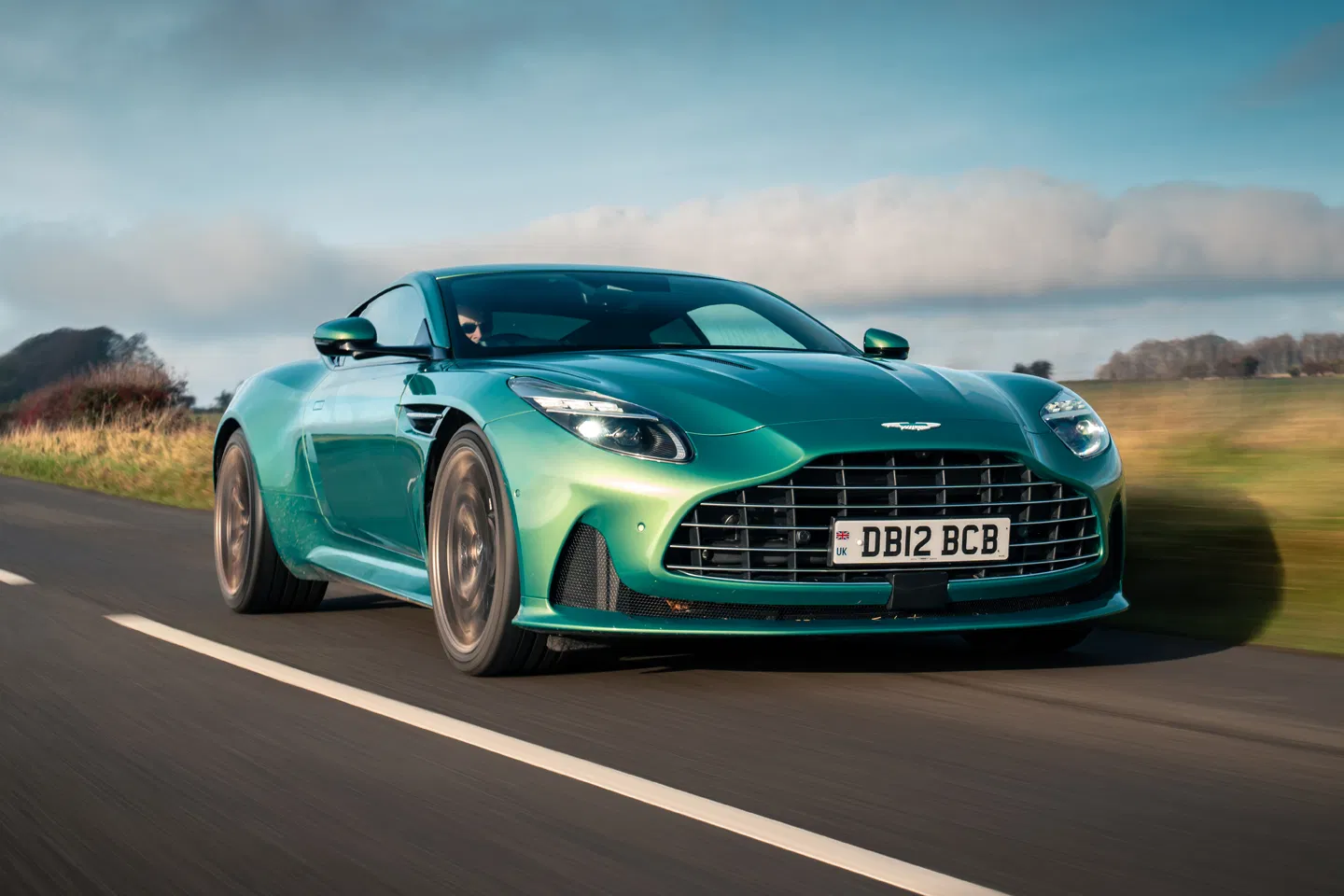
A dramatic narrowing of losses and a surge in quarterly revenue are signaling that Aston Martin’s long-running financial overhaul may finally be gaining traction.
The London-listed luxury carmaker posted a pre-tax loss of £77 million for the third quarter of 2026, a meaningful improvement from the £112 million loss recorded in the same period a year earlier.
Revenues climbed 36% to £389 million in the quarter, driven largely by the commercial success of one extraordinarily expensive vehicle.
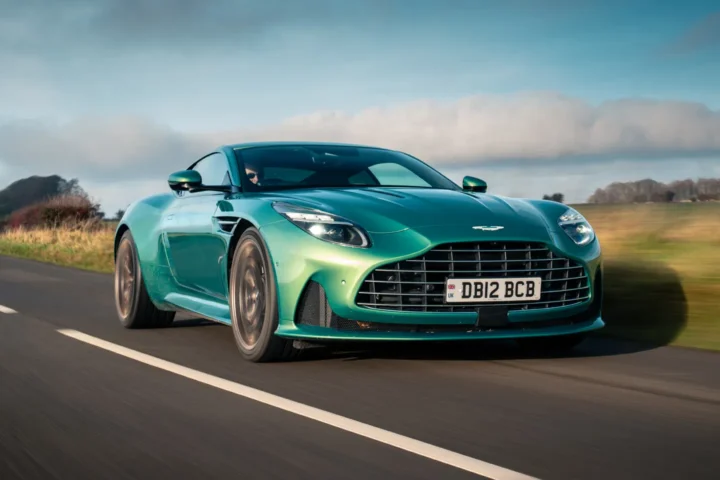
The Valhalla Coupe, Aston Martin’s first plug-in hybrid mid-engine supercar carrying a starting price of roughly £850,000, has become the engine of the company’s recovery story.
Average selling prices across the business have risen by a quarter this year, a direct consequence of Valhalla deliveries mixing into the overall sales figures.
The company made approximately 350 Valhalla deliveries through the end of September and said it remains on course to reach around 500 units by December 31.
Aston Martin (AML.L) also unveiled the Valhalla Spider variant, an open-top version of the flagship model, with customer deliveries scheduled to begin in the second half of 2027.
Chief executive Adrian Hallmark described the results as evidence of “tangible and consistent progress towards the financial transformation” of the business, adding that he expected momentum to carry into the fourth quarter.
The results come roughly eight months after the company announced cuts of up to nearly 600 jobs in February, a painful restructuring measure taken after the group posted larger annual losses.
Canadian billionaire Lawrence Stroll, who serves as chairman and the company’s largest shareholder, has been the driving force behind what Aston Martin calls its “transformation programme.”
Despite the improving trajectory, the carmaker acknowledged a complex web of external pressures weighing on its planning and outlook throughout the year.
The company stated that “this dynamic landscape includes uncertainties over the economic impact from the unpredictable threat or introduction of additional US tariffs, changes to China’s ultra-luxury car taxes and the continued reliance on a stable network of global suppliers.”
Geopolitical instability has added another layer of risk, with Aston Martin specifically citing the Middle East conflict as the most recent source of macroeconomic uncertainty for the business.
The company said it had managed to limit the direct damage to its operations so far and pledged to remain vigilant about how regional instability could ripple through global demand and supply chains.
With a stronger full-year 2026 financial performance now anticipated, Aston Martin appears to be building a cautious case that its turnaround is more than a temporary bounce.