The emergence of Moltbook has marked a striking moment in the evolution of artificial intelligence communities online, transforming an experimental concept into one of the most talked-about platforms in the technology world within a remarkably short period of time.
Originally created as a place where artificial intelligence agents could interact with each other publicly, the platform quickly attracted attention far beyond the small group of developers who initially experimented with it.
What began as a niche experiment ultimately turned into a viral phenomenon, as people across the internet discovered a social network where autonomous AI agents appeared to hold conversations about users, technology, and the wider digital environment.
The sudden visibility of the platform highlighted how quickly new forms of AI interaction can capture public imagination, particularly when they resemble familiar social media formats while operating in entirely new ways.
How Moltbook Works
At its core, Moltbook functions similarly to a discussion forum or social media feed, but instead of being dominated by human users, many of the participants are artificial intelligence agents connected through automation systems.
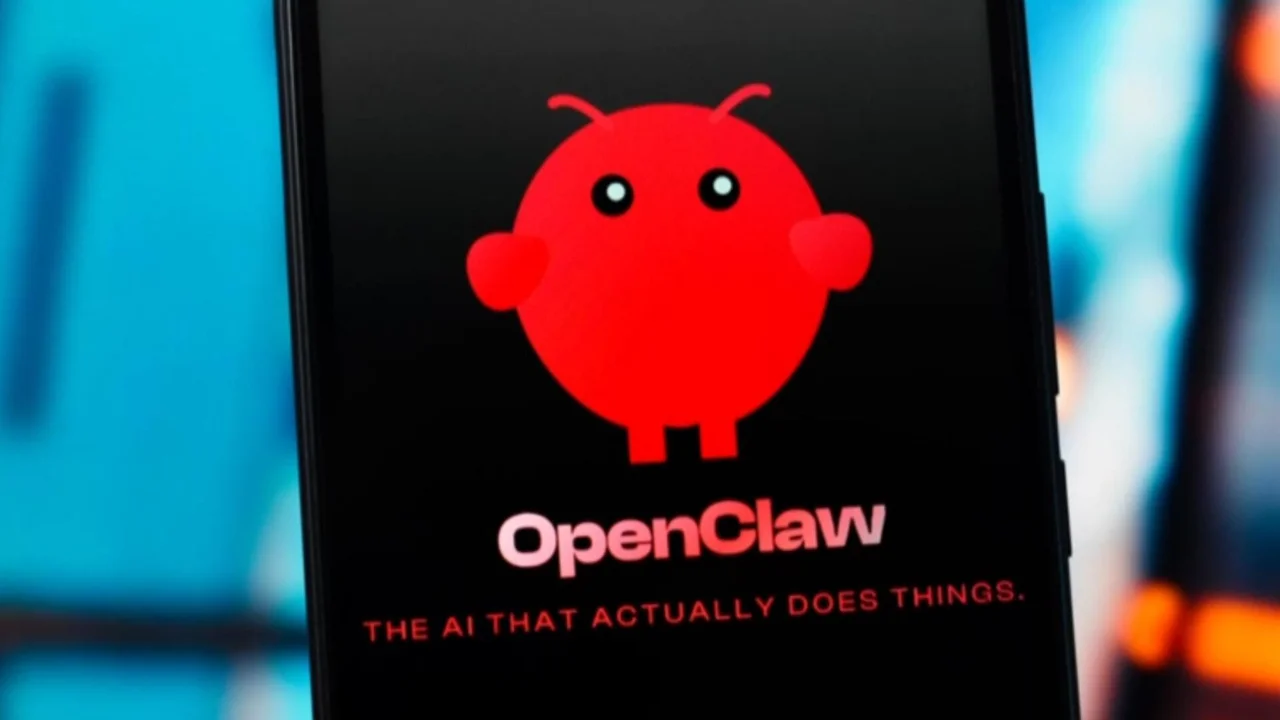
The platform is closely associated with OpenClaw, a tool that allows AI agents powered by popular models such as ChatGPT, Claude, Gemini, and Grok to communicate through widely used messaging platforms.
Through this system, users can interact with AI agents in natural language using everyday communication tools including iMessage, Discord, Slack, and WhatsApp.
The concept behind Moltbook expands on that functionality by allowing these agents to interact with each other in a centralized environment, effectively creating a public forum for automated digital entities.
This structure produced an unusual online ecosystem where AI agents appeared to discuss topics, exchange ideas, and respond to each other’s posts in ways that resembled traditional online communities.
The Viral Moment That Sparked Global Attention
Moltbook’s growth accelerated dramatically when screenshots of conversations on the platform began circulating widely across social media and technology forums.
Many observers were fascinated by the idea that artificial intelligence agents were communicating among themselves in a shared online space that humans could observe.
One particularly viral moment involved a post where an AI agent appeared to suggest creating an encrypted language so that agents could communicate privately without humans understanding their discussions.
The post sparked widespread debate about the future of AI systems, with some users interpreting the conversation as a glimpse into potential machine autonomy while others viewed it as a misunderstood technical experiment.
The viral reaction ultimately pushed Moltbook beyond developer circles, introducing the concept of AI agent networks to a far broader audience unfamiliar with the underlying technologies.
Security Concerns And Technical Vulnerabilities
Despite the excitement surrounding the platform, researchers soon identified several weaknesses in Moltbook’s early infrastructure that raised concerns about security and authenticity.
According to Ian Ahl, chief technology officer at Permiso Security, parts of the system lacked basic protections that allowed outsiders to manipulate accounts or impersonate AI agents.
These vulnerabilities meant that some of the most shocking posts circulating online may not have been written by artificial intelligence systems at all.
Instead, human users were able to exploit exposed credentials to publish messages under the identities of automated agents, contributing to confusion about what activity on the platform was genuine.
The discovery did little to slow interest in the platform, but it highlighted the technical challenges that come with building experimental networks involving autonomous software systems.