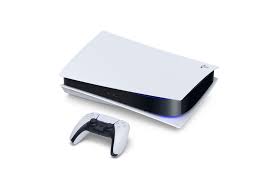
Sony confirmed this week that it is raising PlayStation 5 prices by as much as $150, citing rising memory costs and broader economic pressure as the justification for what will be a painful change for consumers.
The disc version of the PS5 will now cost $649.99. The PS5 Pro climbs to $899.99. The increases are rolling out globally.
The underlying driver is one that analysts have been flagging for months: demand for memory from AI data centres is so intense that it is beginning to crowd out supply for consumer hardware, driving up component costs across industries.
This is what one portfolio manager described as AI’s “hidden tax” — the knock-on effect of infrastructure spending by the hyperscalers trickling down to consumers who have no direct interest in artificial intelligence whatsoever.
Analysts have suggested that competitors including Microsoft and Nintendo could face similar pressure in the coming months, depending on how long the memory supply crunch persists.
Microsoft itself is facing a version of this problem from both sides simultaneously. Capital expenditure projections for fiscal 2026 stand at $146 billion — up 66% year on year — while the company’s core software products face competitive pressure from AI startups that may eventually allow customers to bypass Microsoft entirely.
The Sony price rise lands at a difficult moment for consumer discretionary spending generally, with inflation running above target and energy costs elevated by the Iran war adding further pressure to household budgets.
It is also a reminder that the AI investment cycle, however transformative in the long run, creates real costs in the near term for industries and consumers far removed from Silicon Valley’s ambitions.
For Sony, the move is a calculated risk. Raising prices during an economic wobble is never comfortable, but absorbing input cost increases indefinitely was not sustainable either.
How consumers respond — whether they absorb the cost or delay purchases — will tell the market something important about the durability of the gaming hardware cycle.