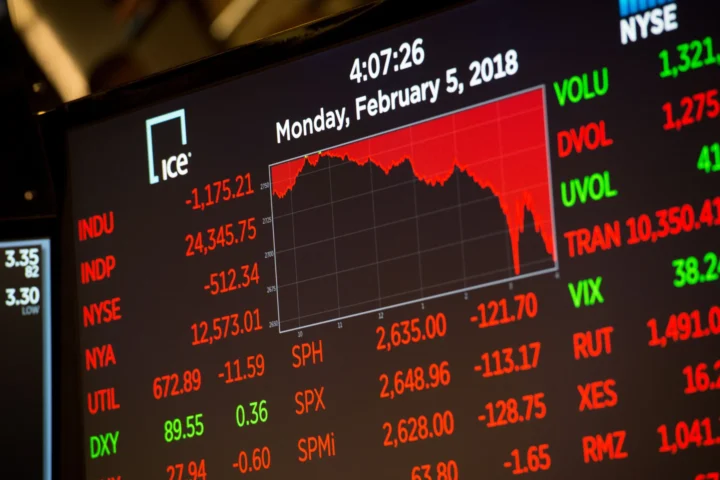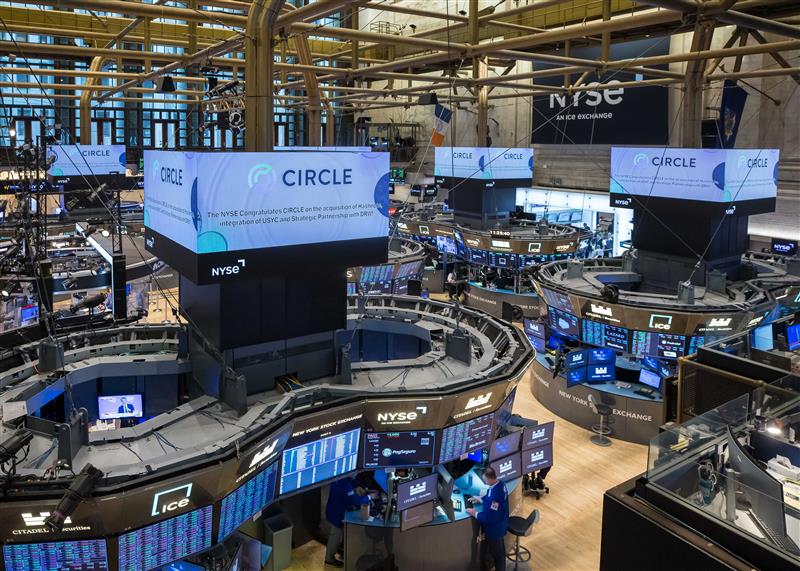
The final trading session of the first quarter of 2026 ended with the S&P 500 falling 0.39% to 6,343.72, the Nasdaq dropping 0.73% to 20,794.64, and only the Dow clinging to a marginal gain of 0.11% — a summary of a quarter that has been dominated by energy price shock, geopolitical fear, and five consecutive weeks of equity losses.
US crude oil settled above $102 per barrel for the first time since the Iran war began, with Brent closing near $112, continuing the most dramatic single-month rise in energy pricing since data has been tracked — up more than 55% in March alone.
Nvidia fell further on Monday and is now down more than 21% from its all-time intraday high in October, placing it firmly in bear market territory — a startling contrast with where the world’s most valuable chipmaker stood at the start of 2026.
Micron dropped 9.7% and Lam Research shed 5.4% as the semiconductor sector absorbed a two-front squeeze: geopolitical demand uncertainty and the fallout from Alphabet’s new TurboQuant AI compression algorithm, which theoretically reduces demand for memory chips.
Salesforce was a rare winner, rising 3.19%, and Travelers Companies and Walt Disney also closed higher, illustrating the rotation that has been playing out across the market all month — out of growth and technology, into defensives, energy, and financials.
The VIX topped 30 during Monday’s session, maintaining the elevated fear threshold that has characterised every trading day since the Iran war entered its second week.
Karen Firestone of Aureus Asset Management put the situation plainly on CNBC’s Halftime Report: “It’s unlikely that the stock market can rally sustainably unless we have a resolution.” Joseph Terranova of Virtus Investment Partners added what has become the unofficial mantra of Q1 2026: “You can’t take your eyes off of oil.”
Tuesday brings Nike earnings after the bell, which markets are treating as a genuine stress test of consumer health heading into Q2 — the first quarter to fully absorb the Iran war’s economic consequences across the full range of household and corporate spending.