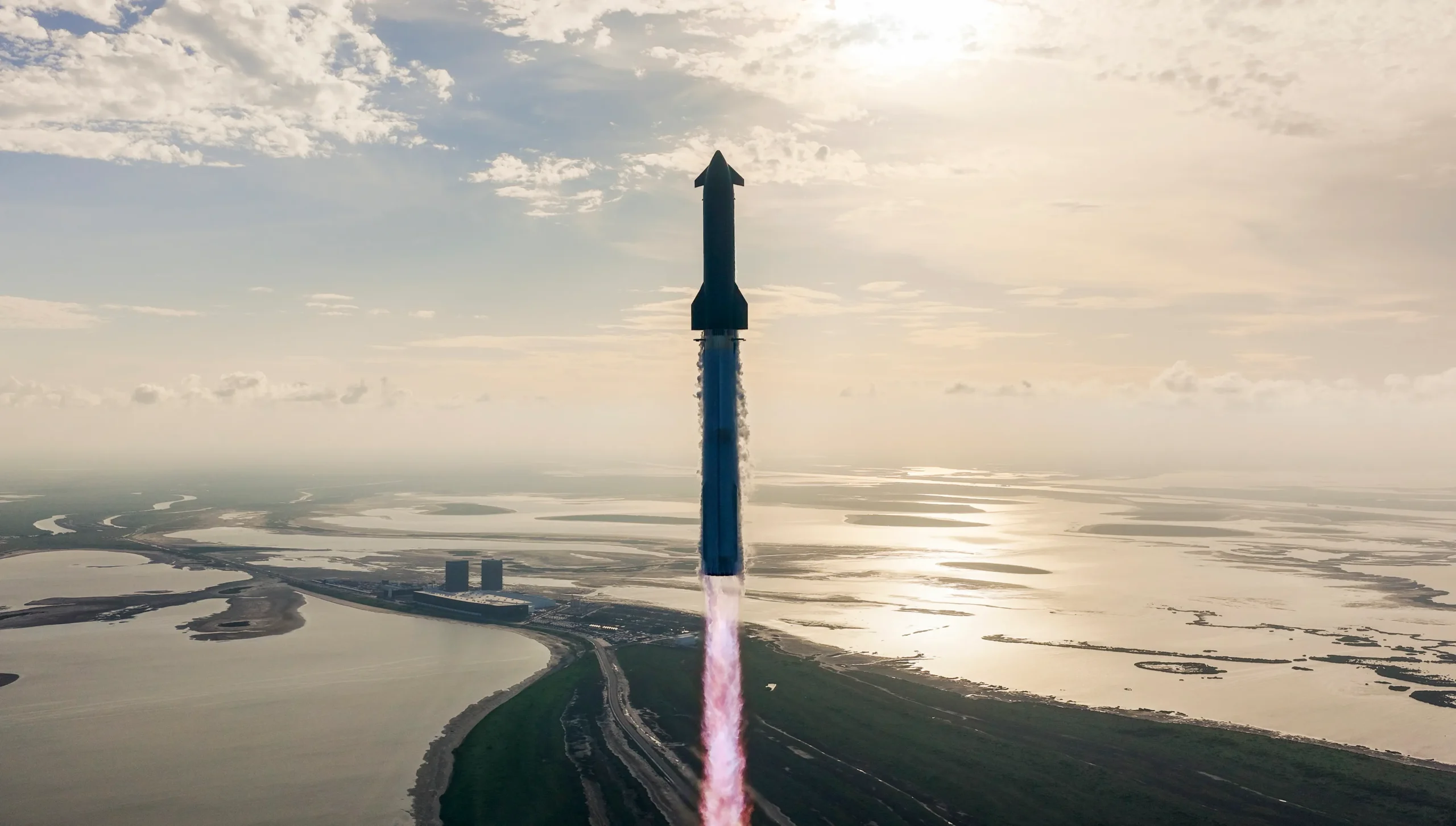
Elon Musk’s SpaceX took a major step towards becoming a publicly traded company on April 1, submitting a confidential draft registration for an initial public offering to the US Securities and Exchange Commission.
The filing was reported simultaneously by Bloomberg, CNBC and Reuters, citing sources familiar with the matter. SpaceX did not respond to requests for comment, and the SEC declined to discuss specific companies.
The confidential filing mechanism allows companies to submit financial documentation to regulators for private review before making the details available to the public or prospective investors.
Under SEC rules, SpaceX will need to file a public registration statement at least 15 days before its IPO road show begins. Sources familiar with the process told Bloomberg that the company is targeting a June listing, which would make it the first of what could be three substantial technology IPOs this year, ahead of both OpenAI and Anthropic.
The numbers attached to the offering would set records in every direction. SpaceX is reportedly targeting a valuation of more than $1.75 trillion and may seek to raise as much as $75 billion in fresh capital.
For context, the largest IPO in US history to date was China’s Alibaba, which raised $22 billion in 2014. Saudi Aramco’s 2019 listing raised approximately $29 billion. A $75 billion SpaceX offering would be more than double the previous global record by a substantial margin.
The company’s valuation has risen rapidly in recent months. SpaceX was valued at $800 billion as recently as January, according to PitchBook, before its February acquisition of Musk’s artificial intelligence venture xAI added significant additional value to the combined entity. The xAI merger, valued at $1.25 trillion at the time of the deal, expanded SpaceX’s business profile well beyond rockets and satellites into the fast-growing field of artificial intelligence infrastructure.
The core commercial engine driving the valuation is Starlink, SpaceX’s satellite internet service, which ended 2025 with 9.2 million subscribers and revenues approaching $10 billion. Analysts at Bloomberg Intelligence project those revenues could reach $24 billion by the end of 2026, reflecting the pace of subscriber growth and the service’s expansion into new markets including maritime and aviation connectivity.
SpaceX has reportedly allocated a larger-than-typical retail component to the offering, with up to 30 percent of shares potentially set aside for smaller investors. The company has already begun quiet investor outreach, described as “testing-the-waters” meetings, ahead of the formal road show. Bank of America, Citigroup, Goldman Sachs, JPMorgan Chase and Morgan Stanley have all been named as senior underwriters.
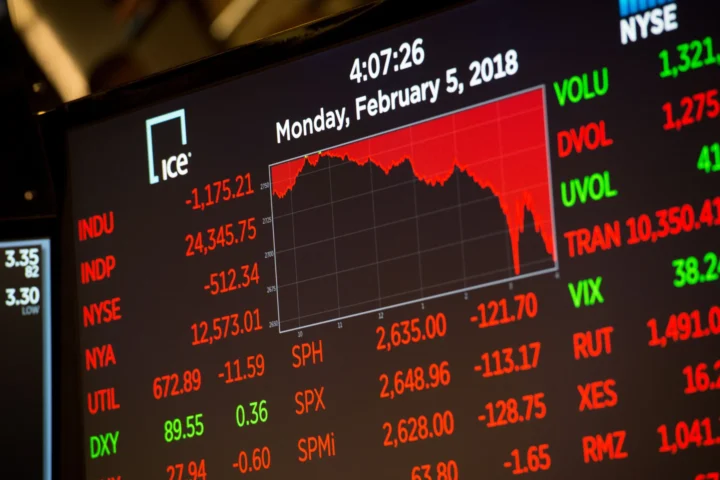
Georgetown finance professor Reena Aggarwal, who specialises in public offerings, offered a note of caution that reflects the current market environment. “You can have a great company, with great fundamentals and a lot of investor interest — and an IPO can still flop if the markets have turned south, if there’s too much volatility in the market,” she said. The Nasdaq has fallen more than 10 percent from its recent highs, driven by oil price surges linked to the Iran conflict, and that backdrop is not ideal for launching the largest IPO in market history.
If the listing proceeds at the anticipated valuation, Musk would become the first person in history to lead two separately listed companies each worth more than a trillion dollars, since Tesla also sits in that range. The injection of public capital would fund SpaceX’s ambitions including a lunar base, Mars missions and the build-out of orbital data centres for xAI. Whether the market environment between now and June cooperates sufficiently to support that plan is the critical variable that nobody can currently answer.