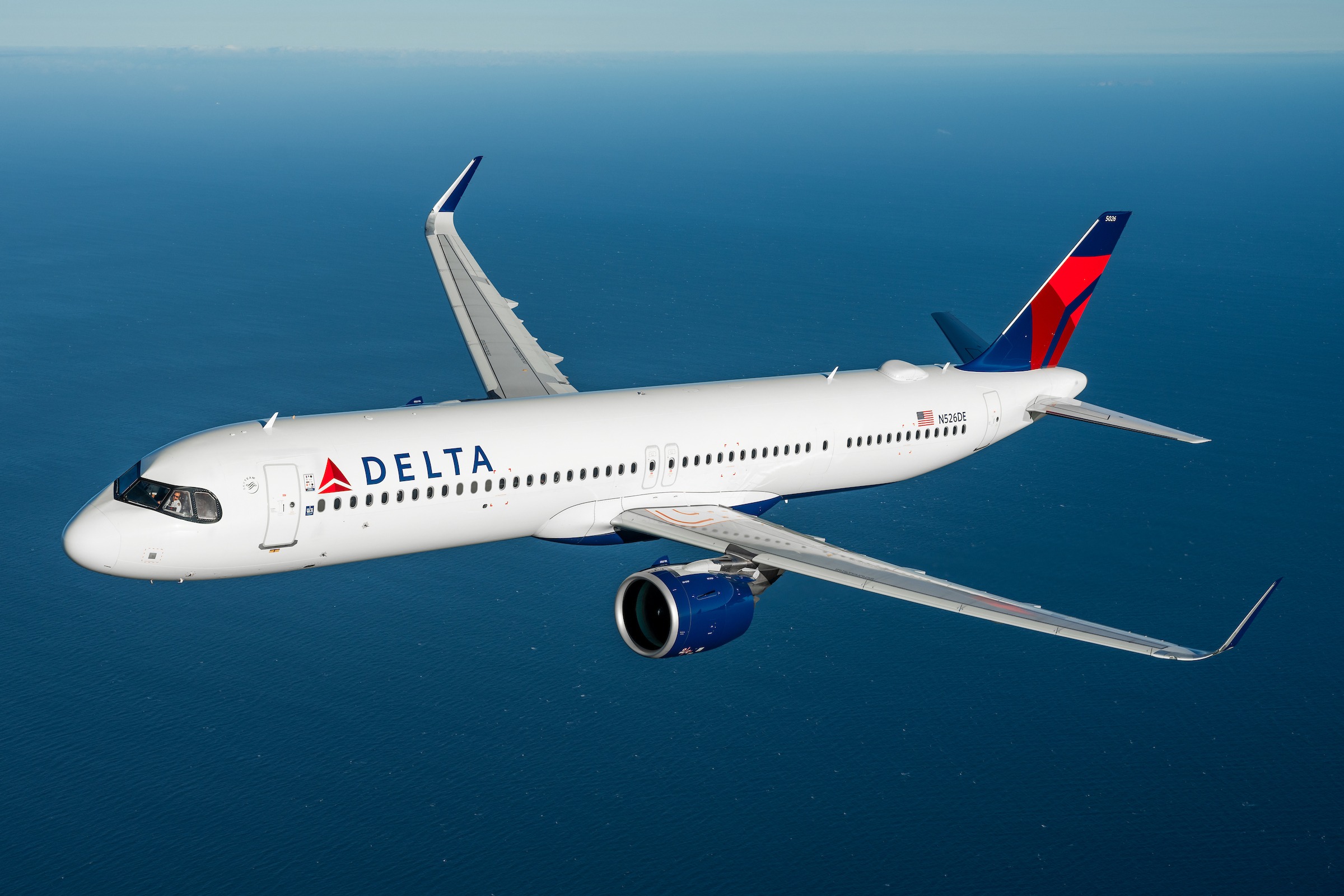
Delta Air Lines steps into Wednesday’s earnings session carrying the dual burden of six weeks of jet fuel chaos and the whiplash of Tuesday night’s ceasefire-driven oil price collapse.
The airline, reporting before markets open, finds itself in the unusual position of delivering Q1 results at a moment when the primary cost pressure it has faced all quarter — crude at or near $115 per barrel — has just dropped nearly 20 percent overnight. The market’s interpretation of that timing will matter as much as the numbers themselves.
The quarter, taken on its own terms, was shaped almost entirely by the Iran war. West Texas Intermediate had been trading above $100 per barrel for most of the period following the conflict’s outbreak on February 28, and airlines operate with limited short-term hedging flexibility for fuel costs of that magnitude. Delta has historically been among the more proactive of US carriers in managing fuel exposure, but no hedging strategy fully absorbs a supply shock of this scale and duration.
What analysts will be listening for from Delta’s management on Wednesday is less about the Q1 figures and more about forward guidance. With oil now sitting below $95 after hours, and with a two-week ceasefire creating at least the possibility that the Hormuz corridor reopens more fully, the airline’s fuel cost assumptions for Q2 and Q3 become the most commercially consequential numbers in the report. If the ceasefire holds and crude stabilises in the $90-95 range, Delta’s unit cost structure improves meaningfully — and the recovery in demand that had been building before the war began can resume on a more sustainable footing.
The Magnificent 7 technology stocks have faced their own headwinds in 2026, down alongside the broader market as oil-driven inflation, elevated interest rates and investor concerns about AI capital expenditure have compressed multiples. But airlines as a sector have been particularly exposed because their cost base is directly and immediately tied to what happens in the Persian Gulf. A 15 percent overnight drop in crude changes that exposure in ways that will take several sessions to fully absorb and reprice across the sector.
Investors will also be watching for any commentary from Delta about demand trends — whether the war has caused consumers to pull back on discretionary travel spending, or whether the booking pipeline for summer routes has held up sufficiently to give management confidence in the back half of the year. The war has been global news for six weeks, and the psychological effect on leisure travel demand is genuinely uncertain in ways that quarterly figures alone do not capture.