The Federal Reserve had entered 2026 with what appeared to be a manageable path toward rate cuts. Inflation had been cooling steadily since its peak, the labour market was softening at a controlled pace and the case for two or three cuts across the year was reasonable.
Then the war began. Within five weeks, everything changed. Oil crossed $100, gasoline hit $4 nationally and the Fed’s dual mandate of maximum employment and stable prices came under simultaneous pressure from opposite directions.
The March CPI report being released today is the first hard data point that will quantify how much the energy shock has contaminated broader inflation. The Cleveland Fed’s Inflation Nowcasting tool, which updates in real time, projected a monthly headline increase of 0.84 percent and a year-on-year rate of 3.25 percent going into the release. Core inflation, at around 2.6 to 2.7 percent year-on-year, remains uncomfortably above the Fed’s 2 percent target even without the energy effect. That means the central bank is dealing with a problem that was not solved before the war made it worse.
The language around rate hikes, which had been completely absent from market discourse just three months ago, has re-entered the conversation. Futures markets show a 98 percent probability that the Fed holds at its April meeting, which is happening this month.
But if today’s report delivers a headline significantly above 3.5 percent, a small but growing cohort of analysts argues that the May meeting would need to consider a hike rather than a hold. “The Fed might end up hiking this year,” Motley Fool published as a headline on Thursday, a sentence that would have seemed implausible in January.
The employment picture simultaneously complicates matters in the other direction. The March jobs report added 178,000 positions, which reversed the February decline of 92,000 and reduced the unemployment rate to 4.3 percent. With the labour market this resilient, the Fed has no grounds to cut on employment concerns alone. Its only incentive to move rates downward would be a clear and sustained decline in inflation, which today’s CPI reading is unlikely to provide.
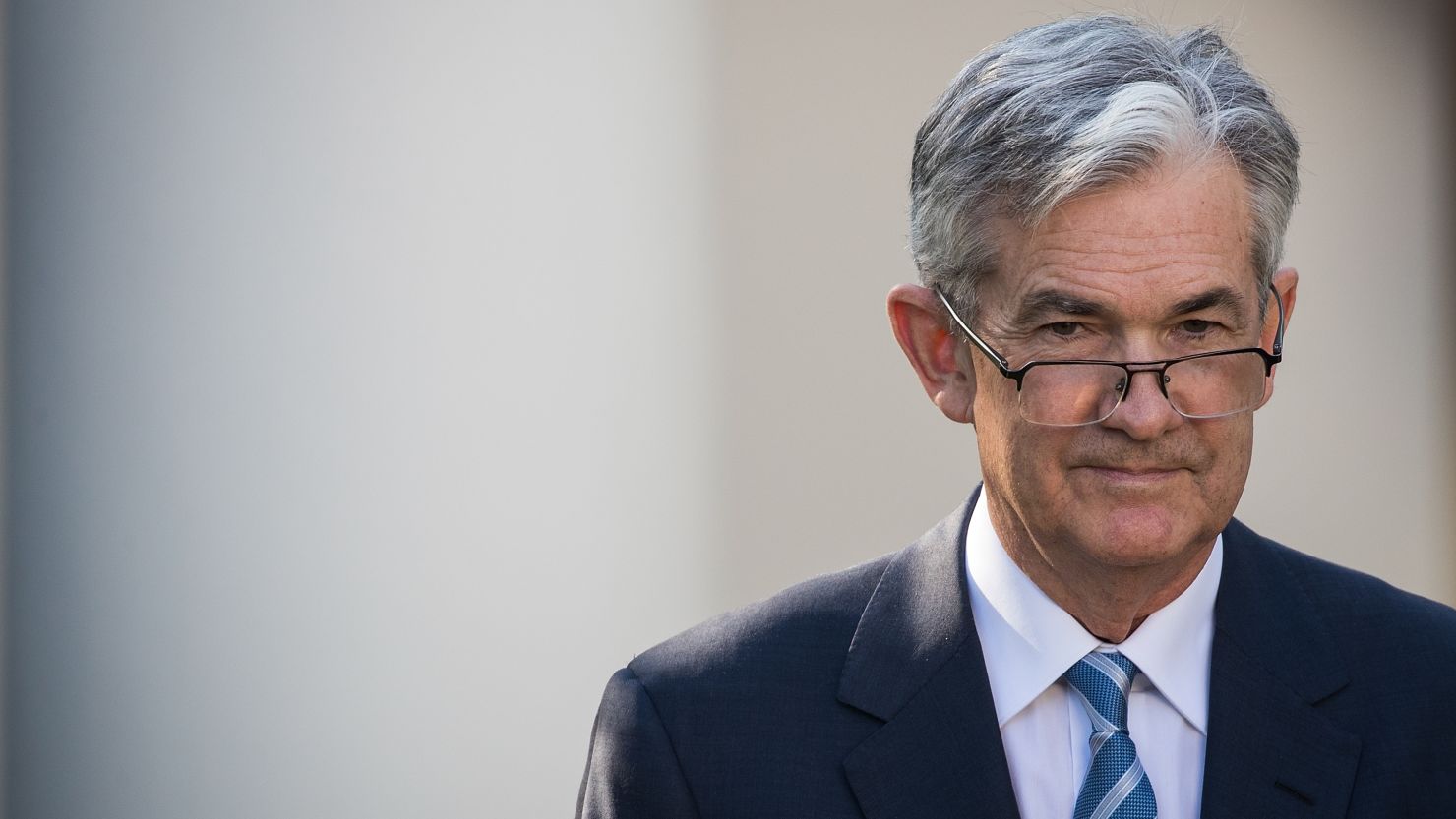
Fed Chair Jerome Powell enters the pre-meeting blackout period on April 23, meaning no further official communication will shape market expectations before the May 1 decision is announced. The next critical marker after today’s CPI is the PCE price index for March on April 26, which is the Fed’s preferred gauge and typically runs cooler than CPI. If PCE also shows elevated pressure from energy, the May meeting becomes the most significant in at least two years. The market knows this, and every piece of economic data between now and then will be parsed with unusual intensity.